United Kingdom
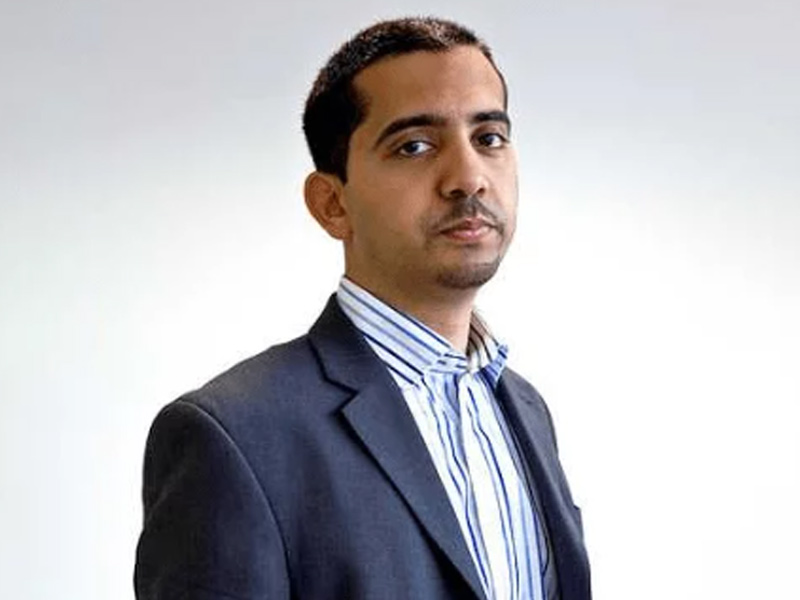
Mehdi Hasan: Influential Journalist, Political Commentator, and Voice of Sharp Accountability
Mehdi Hasan is a prominent journalist, author, and political commentator, widely known for his incisive interviewing style, rigorous questioning of power, and articulate critiques of political hypocrisy. With a career spanning British and American media, Hasan has emerged as one of the most recognizable Muslim voices in contemporary journalism, particularly in debates on foreign policy, civil liberties, religion, and social justice.
Born in 1979 in Swindon, England, Mehdi Hasan was raised in a British Muslim family of Indian origin. He was educated at Merchant Taylors’ School before studying Philosophy, Politics, and Economics (PPE) at Christ Church, University of Oxford. His academic background in political theory and ethics laid the groundwork for his analytical approach to journalism and debate.
Hasan began his career in British media as a writer and commentator, contributing columns to publications such as The Guardian, where he wrote extensively on UK politics, Islamophobia, civil rights, and international affairs. Early on, he gained a reputation for challenging dominant political narratives, particularly around the “war on terror,” surveillance, and Western foreign policy in the Middle East and South Asia.
His international profile rose significantly after he moved into broadcast journalism. Hasan became widely known for his work with Al Jazeera English, where he hosted the interview program “Head to Head.” On the show, he conducted high-profile and often confrontational interviews with politicians, diplomats, and public intellectuals, pressing them on human rights, war, inequality, and accountability. His interviews frequently went viral, earning both praise for their rigor and criticism from those who felt challenged by his style.
In the United States, Mehdi Hasan further expanded his influence through his work with The Intercept, where he served as a columnist and later as editor-at-large. He also hosted “The Mehdi Hasan Show” on MSNBC and Peacock, becoming one of the few Muslim hosts in American cable news. His presence on U.S. television marked a significant moment in media representation, particularly amid polarized debates on race, religion, and foreign policy.
Hasan is also the author of “Win Every Argument: The Art of Debating, Persuading, and Public Speaking” (2019), a book that blends classical rhetoric with modern political examples. Drawing on his experience as a debater and interviewer, the book reflects his belief in evidence-based argumentation and intellectual honesty, even amid ideological disagreement.
A consistent theme in Mehdi Hasan’s work is his critique of double standards—whether in Western approaches to human rights, media coverage of conflicts, or political rhetoric around democracy and freedom. He has been outspoken on issues such as Islamophobia, anti-Black racism, authoritarianism, and the humanitarian impact of war, while also challenging extremism and intolerance within Muslim societies.
While admired by supporters as a fearless truth-teller and skilled interrogator of power, Hasan is also a polarizing figure. Critics accuse him of partisanship or excessive confrontation, charges he counters by emphasizing journalistic responsibility to hold leaders accountable rather than deferential.
Mehdi Hasan’s career reflects the evolving role of journalism in an age of media fragmentation and political polarization. As a journalist who combines intellectual rigor with moral urgency, he continues to shape public debate across borders, insisting that tough questions remain essential to any functioning democracy.