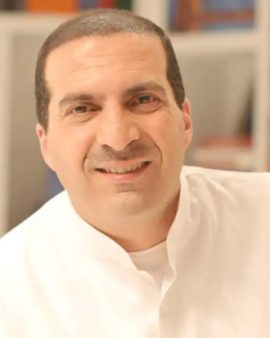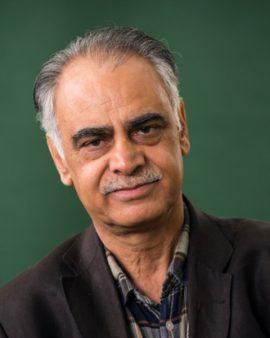
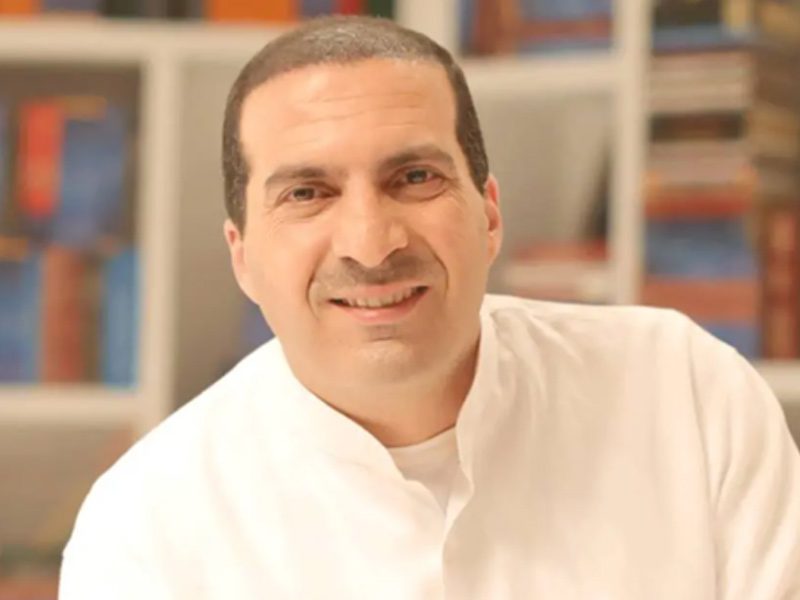

Amr Khaled: Egypt’s Pioneering Islamic Preacher and Media Evangelist
Dr. Amr Mohamed Helmi Khaled, widely known as Amr Khaled, is one of the most influential Muslim preachers and media personalities of the modern era. Born on 5 September 1967 in Alexandria, Egypt, he has become a defining figure in contemporary Islamic outreach, renowned for his innovative approach that combines traditional religious teachings with modern communication methods. Khaled’s work has inspired millions across the Arab world, particularly youth, to engage actively with their faith while addressing social and personal challenges.
Amr Khaled was raised in a middle-class family in Alexandria, where he imbibed both academic discipline and religious values. He pursued higher education at Cairo University, graduating with a degree in accounting in 1988, and later obtained a diploma in Islamic studies. Furthering his academic credentials, he earned a doctorate from the University of Wales, Lampeter, in 2010. His academic foundation in both secular and religious studies provided him with a unique perspective, enabling him to communicate Islamic teachings in a relatable and practical manner.
Khaled’s early career was in accounting, but his passion for religious activism and community service led him to full-time preaching in the 1990s. Initially delivering sermons in mosques across Egypt, he quickly gained recognition for his ability to connect with ordinary people, particularly young adults, through an approachable, motivational, and ethically grounded style. Rather than focusing solely on doctrinal teachings, Khaled emphasizes personal development, social responsibility, and spiritual growth, making religion relevant to contemporary life.
His rise to prominence coincided with the proliferation of satellite television in the Arab world, and Khaled became a household name through programs on channels like Iqraa TV. Shows such as Life Makers encouraged viewers to apply Islamic principles to everyday challenges, including family life, education, career, and community service. By integrating faith with actionable guidance, Khaled pioneered a form of media preaching that empowered young Muslims to see religion as a tool for positive societal impact.
Amr Khaled’s influence extends beyond broadcasting. He has been actively involved in social and humanitarian initiatives, fostering volunteerism, youth empowerment, and community development programs across the Middle East and North Africa. His approach emphasizes the integration of ethics, spirituality, and civic responsibility, reinforcing Islam as a force for personal and societal betterment.
Internationally, Khaled has received widespread recognition for his work. In 2007, Time magazine named him one of the 100 most influential people in the world, highlighting his innovative approach to religious outreach. While some traditional scholars have criticized his modern methods as overly simplified, Khaled’s broad appeal demonstrates the effectiveness of his strategy in engaging a generation often disconnected from conventional religious institutions.
Despite facing criticism and challenges, Amr Khaled remains a pioneering figure in Islamic media preaching. His career embodies a unique blend of scholarship, charisma, and modern communication, making him a symbol of a dynamic, compassionate, and socially engaged Islam. Through his media presence, public speaking, and humanitarian work, Khaled continues to inspire millions to embrace faith, ethics, and service in a rapidly changing world.