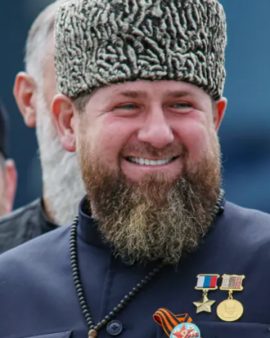

Ramzan Kadyrov: Chechnya’s Powerful Strongman and a Controversial Pillar of Kremlin Rule
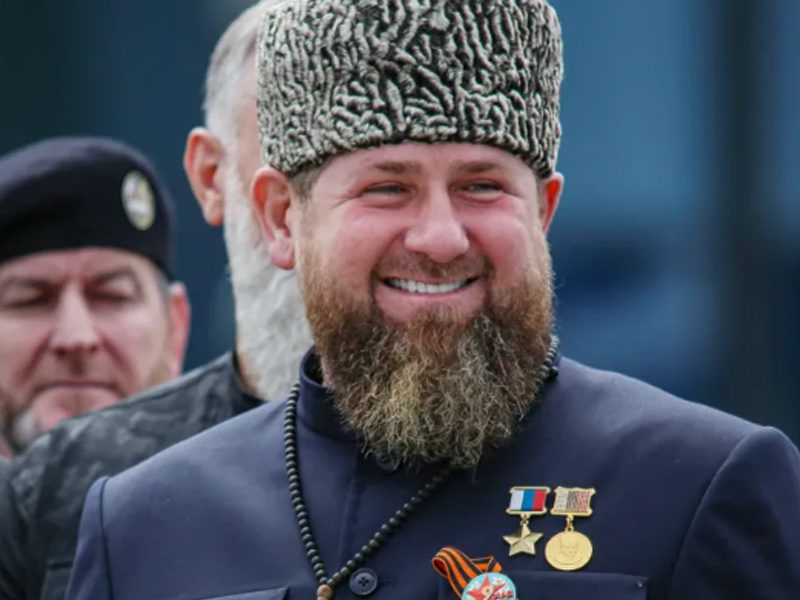
Ramzan Akhmatovich Kadyrov is one of the most controversial and powerful regional leaders in the Russian Federation. As the Head of the Chechen Republic since 2007, he has ruled the predominantly Muslim North Caucasus region with an iron grip, combining fierce loyalty to the Kremlin with a personalized system of power rooted in security forces, patronage, and traditional authority. To supporters, he is the man who restored stability after years of devastating war; to critics, he represents authoritarianism, repression, and grave human rights abuses.
Born on 5 October 1976 in Tsentoroy (now Akhmat-Yurt), Chechnya, Ramzan Kadyrov is the son of Akhmad Kadyrov, a former separatist cleric who later allied with Moscow during the Second Chechen War. Akhmad Kadyrov became Chechnya’s president in 2003 but was assassinated in 2004. Following his father’s death, Ramzan rapidly emerged as the dominant figure in Chechnya, consolidating power through loyal militias that were later incorporated into official security structures.
In 2007, Russian President Vladimir Putin formally appointed Ramzan Kadyrov as Head of the Chechen Republic. Since then, Kadyrov has exercised near-total control over the region, maintaining order through an extensive security apparatus often referred to as the “Kadyrovtsy.” Under his rule, Chechnya has seen large-scale reconstruction after years of war, with Grozny rebuilt into a modern capital featuring mosques, high-rises, and infrastructure projects that symbolize post-war recovery.
Kadyrov presents himself as a defender of Islam, Chechen tradition, and moral conservatism. He has promoted public expressions of Islamic identity, including mosque construction and religious observance, while enforcing strict social norms. However, critics argue that his version of Islam is instrumentalized to reinforce personal authority rather than genuine religious autonomy.
Internationally, Ramzan Kadyrov is known for his unwavering loyalty to Vladimir Putin, often portraying himself as a foot soldier of the Russian president. This loyalty has afforded him extraordinary autonomy within Chechnya, effectively allowing him to rule with minimal federal interference. His forces have also been deployed beyond Chechnya, including participation in Russian military operations in Ukraine, further extending his influence within Russia’s security ecosystem.
At the same time, Kadyrov has been accused by international human rights organizations of widespread abuses, including enforced disappearances, torture, extrajudicial killings, and persecution of political opponents, journalists, and LGBTQ individuals. These allegations have led to international sanctions and have made him a symbol of impunity for rights advocates.
Despite this, Kadyrov maintains a strong domestic power base. Through patronage networks, tribal loyalties, and state-backed religious legitimacy, he has suppressed armed insurgency and prevented a return to large-scale conflict. For many Chechens exhausted by decades of violence, stability—even under authoritarian rule—has been seen as preferable to chaos.
Ramzan Kadyrov remains a central figure in Russia’s regional power structure: a strongman whose authority rests on loyalty, force, and fear, and whose future is closely tied to that of the Kremlin itself. His rule continues to shape Chechnya’s identity and stands as a stark example of how post-conflict stability can come at the cost of political freedom and human rights.