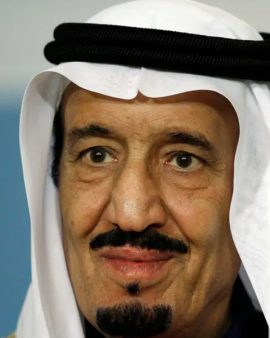

Mohammad bin Salman bin AbdulAziz Al-Saud: The Driving Force of Saudi Arabia’s Transformation
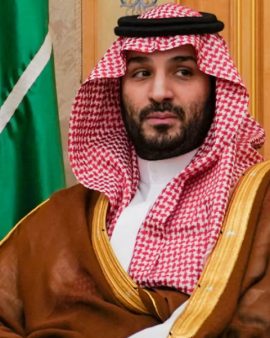
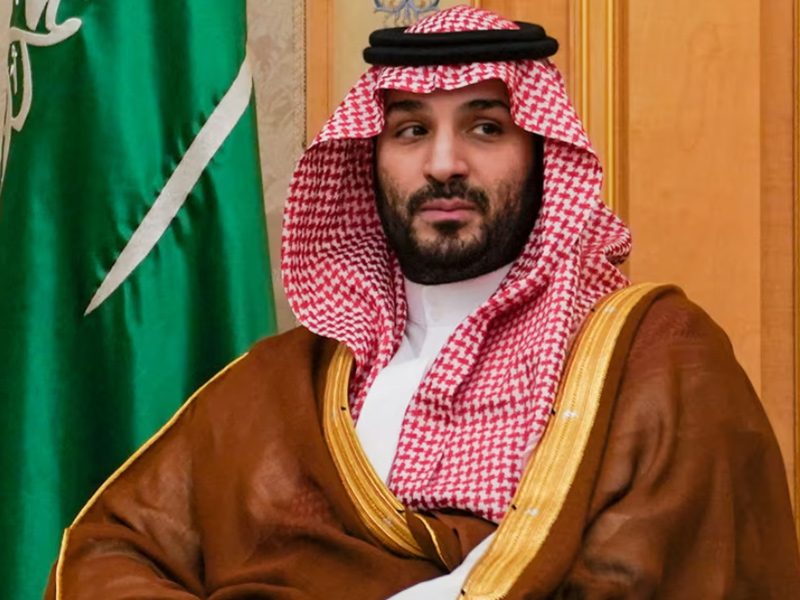
Mohammad bin Salman bin AbdulAziz Al-Saud, widely known as MBS, is the Crown Prince, Prime Minister, and one of the most influential leaders in contemporary Saudi Arabia. Born on August 31, 1985, in Riyadh, he is the eldest son of King Salman’s third wife, Princess Fahda bint Falah Al Hithlain. Raised in a close-knit royal household, he received his early education in Riyadh and later earned a degree in law from King Saud University, graduating near the top of his class. His academic background and early exposure to governance deeply shaped his strategic mindset and future political path.
MBS entered public life at a young age, initially serving in advisory roles within the royal court. His rise accelerated rapidly after King Salman became Crown Prince in 2012, giving him broader responsibilities in state affairs. In 2015, with King Salman’s accession to the throne, Mohammad bin Salman was appointed Minister of Defense and Deputy Crown Prince. His decisive leadership, bold reforms, and ambitious vision soon made him the defining figure of a new era in Saudi policymaking. In June 2017, he became Crown Prince, formally placing him as the next ruler of the kingdom.
Crown Prince Mohammed bin Salman is best known as the architect of Vision 2030, Saudi Arabia’s sweeping national transformation strategy. This historic initiative aims to diversify the economy away from oil, foster a dynamic private sector, expand tourism, modernize infrastructure, promote technological innovation, and empower Saudi youth and women. Under his oversight, the kingdom has witnessed unprecedented changes—legal reforms, cultural openness, digital modernization, and the expansion of entertainment, sports, and investment sectors. Projects like NEOM, the futuristic smart city on the Red Sea, signal his aspiration to make Saudi Arabia a global hub of innovation.
In foreign policy, MBS has adopted an assertive and strategic approach. He has strengthened ties with major powers, redefined the kingdom’s regional role, and positioned Saudi Arabia as an active player in global geopolitics. His leadership has emphasized the need to protect national security, diversify international partnerships, and counter threats to regional stability. At the same time, he has worked to transform Saudi Arabia’s global image by presenting a modern, forward-looking vision of the kingdom.
Domestically, Crown Prince Mohammed bin Salman has championed wide-ranging reforms. These include expanding women’s participation in the workforce, easing social restrictions, investing heavily in sports and entertainment, and creating opportunities for young Saudis. His focus on entrepreneurship, digital transformation, and cultural revival has energized the nation’s youth—more than two-thirds of the population—positioning them as central to Saudi Arabia’s future.
Despite navigating complex political landscapes and global scrutiny, MBS remains a transformative figure, widely seen as the driving force behind the kingdom’s rapid modernization. His vision blends national pride, economic ambition, and a resolve to position Saudi Arabia as a leading power of the 21st century.
Today, Crown Prince Mohammed bin Salman stands at the center of one of the most ambitious reform agendas in the Middle East, reshaping not only Saudi Arabia’s economy and society but also its role on the world stage.