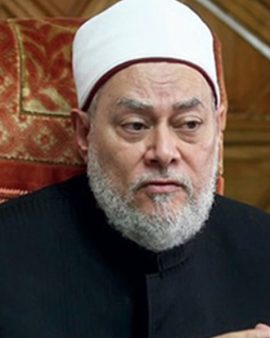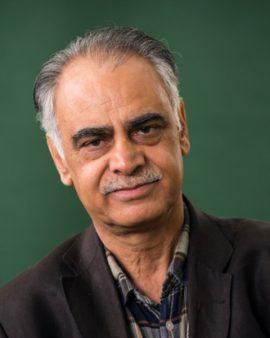
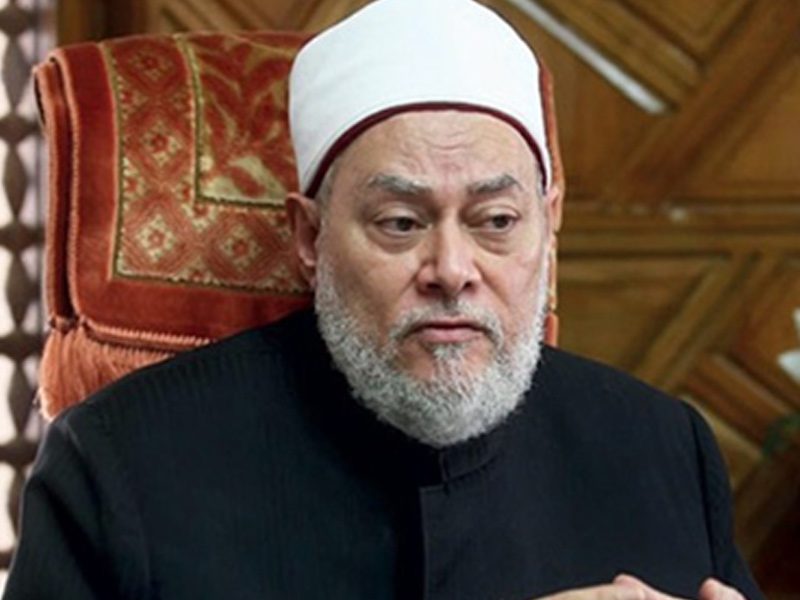

Sheikh Dr Ali Gomaa: A Scholar of Moderation and Moral Authority in the Modern Muslim World
Sheikh Dr Ali Gomaa is one of the most respected Islamic scholars of the contemporary era, widely known for his intellectual depth, commitment to moderation, and efforts to harmonize Islamic tradition with the realities of the modern world. Serving as the Grand Mufti of Egypt from 2003 to 2013, he played a pivotal role in shaping religious discourse not only in Egypt but across the global Muslim community.
Born in 1952 in the Upper Egyptian governorate of Beni Suef, Ali Gomaa pursued a rigorous academic path that combined traditional Islamic learning with modern scholarship. He studied at Al-Azhar University, the pre-eminent center of Sunni Islamic education, where he earned advanced degrees in Islamic jurisprudence (fiqh), usul al-fiqh, and Islamic legal theory. His scholarly formation was further enriched by mentorship under leading Azharite scholars, grounding him firmly in the classical Sunni legal tradition.
During his tenure as Grand Mufti, Sheikh Ali Gomaa emerged as a strong advocate of what he often described as “centrist Islam” (wasatiyya). He consistently opposed extremism, takfiri ideologies, and the politicization of religion, arguing that such approaches distort Islamic teachings and endanger social cohesion. His fatwas frequently emphasized mercy, public welfare (maslaha), and ethical intent, reflecting a jurisprudence rooted in both textual fidelity and contextual awareness.
One of Gomaa’s most significant contributions was modernizing the Dar al-Ifta al-Misriyyah, Egypt’s official body for issuing fatwas. Under his leadership, the institution expanded its global outreach, embraced digital platforms, and engaged more directly with contemporary ethical and legal questions—from biomedical issues and finance to citizenship and coexistence in plural societies. This transformation helped position Dar al-Ifta as an international reference point for balanced and credible Islamic legal opinions.
Sheikh Ali Gomaa has also been deeply involved in interfaith dialogue and peace-building initiatives. He has consistently stressed the Islamic foundations for coexistence, respect for human dignity, and rejection of violence against civilians. His engagement with Christian and Jewish leaders, as well as his participation in international forums, reinforced his belief that religious scholarship must contribute to global stability and mutual understanding.
Following his tenure as Grand Mufti, Gomaa remained an influential public intellectual. He served as a member of Egypt’s Council of Senior Scholars and later as a parliamentarian, where he continued to address issues related to religious reform, counter-extremism, and social ethics. Through books, lectures, and television appearances, he has sought to make Islamic scholarship accessible to a wider audience without diluting its intellectual rigor.
Despite controversy surrounding some of his political positions, Sheikh Dr Ali Gomaa’s scholarly stature remains significant. Admirers view him as a guardian of classical Islamic tradition who understands the demands of modern life, while critics engage his views within the broader debates shaping the Muslim world today.
Overall, Sheikh Dr Ali Gomaa’s legacy lies in his effort to reclaim religious authority from extremism and anchor it in knowledge, compassion, and responsibility. In a time of ideological turbulence, he stands as a symbol of learned, institutional, and ethically grounded Islamic leadership.