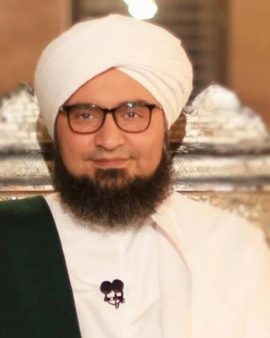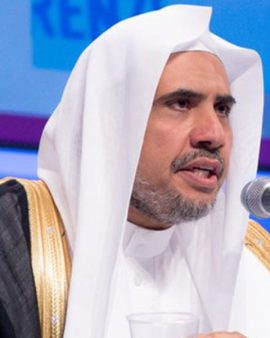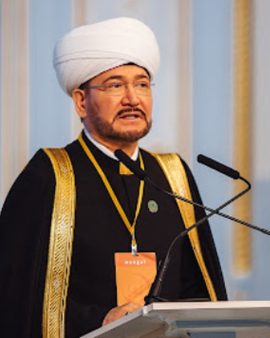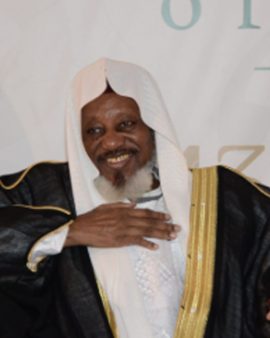


Sheikh Ahmad Tijani bin Ali Cissé: Spiritual Leader of the Tijaniyya and a Pillar of West African Sufism
Sheikh Ahmad Tijani bin Ali Cissé is one of the most influential Sufi leaders in contemporary Africa and the spiritual head of the Tijaniyya Sufi Order, one of the largest and most widespread Islamic brotherhoods in the Muslim world. Based in Senegal, his authority extends far beyond national borders, reaching millions of followers across West Africa, North Africa, the Middle East, and the global African diaspora. He is widely respected for his spiritual depth, moral authority, and commitment to peace, education, and social harmony.
Born in 1955 in Medina Baye, Kaolack, Senegal, Sheikh Ahmad Tijani Cissé belongs to a distinguished lineage of Islamic scholarship and spiritual leadership. He is the son of Sheikh Ali Cissé and the grandson of Sheikh Ibrahim Niass, one of the most celebrated figures in the history of the Tijaniyya order. Sheikh Ibrahim Niass transformed the Tijaniyya into a truly global movement in the twentieth century, emphasizing direct spiritual realization (ma‘rifa), learning, and outreach. This legacy profoundly shaped Sheikh Ahmad Tijani Cissé’s worldview and leadership style.
Educated in the classical Islamic sciences, Sheikh Cissé studied Qur’anic exegesis, Hadith, jurisprudence, theology, and Sufism under leading scholars in Senegal and abroad. His formation combined rigorous scholarship with spiritual training, reflecting the Tijaniyya tradition’s emphasis on knowledge (‘ilm), remembrance of God (dhikr), and ethical conduct. Over the years, he has emerged not only as a spiritual guide (murshid), but also as a respected teacher and moral reference point.
As the leader of the Tijaniyya, Sheikh Ahmad Tijani Cissé oversees a vast transnational network of religious institutions, mosques, educational centers, and zawiyas. Medina Baye, under his guidance, remains a major center of Islamic learning and Sufi practice, attracting students and visitors from across the Muslim world. Annual religious gatherings there draw hundreds of thousands of followers, reflecting the enduring vitality of the Tijaniyya tradition.
A defining feature of Sheikh Cissé’s leadership is his strong commitment to peace, moderation, and coexistence. In a region often affected by political instability and extremist violence, he has consistently emphasized Islam’s spiritual and ethical foundations, rejecting all forms of religious extremism. He teaches that true religious authority lies in humility, service, and moral discipline, not coercion or ideological rigidity.
Sheikh Ahmad Tijani Cissé is also deeply engaged in interfaith and international dialogue. He has represented Senegalese Islam at global forums, working with religious leaders, governments, and international organizations to promote tolerance and social cohesion. His influence has made him an important interlocutor in efforts to counter radicalization through education and spiritual renewal rather than repression.
Despite his global stature, Sheikh Cissé is known for his personal humility and accessibility. He continues to stress the importance of character reform, communal responsibility, and love for the Prophet Muhammad (peace be upon him) as the heart of Islamic life.
In an era of profound religious and social challenges, Sheikh Ahmad Tijani bin Ali Cissé stands as a custodian of Africa’s rich Sufi heritage—offering a vision of Islam rooted in spirituality, learning, and peace, and providing moral guidance to millions across the world.