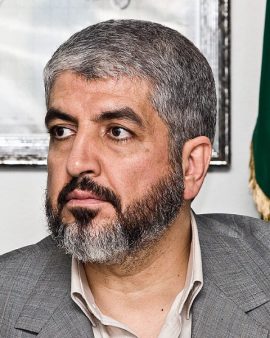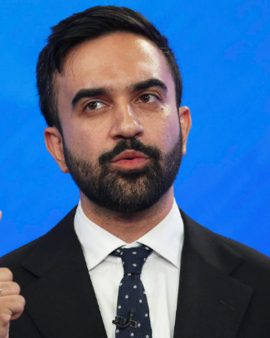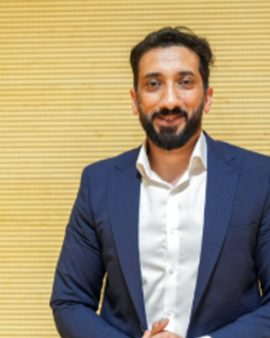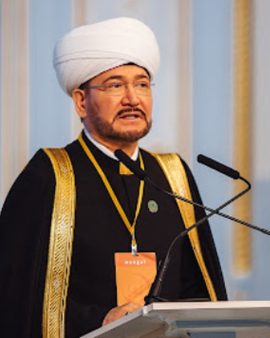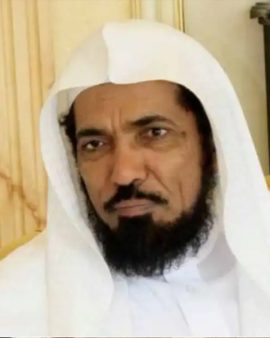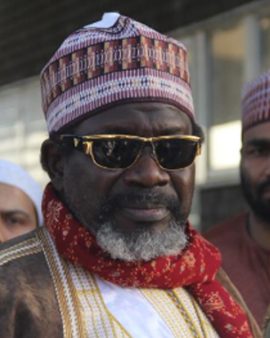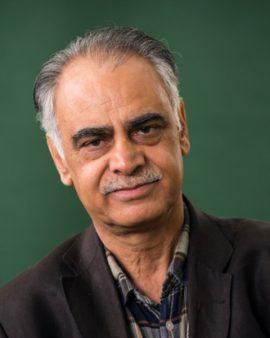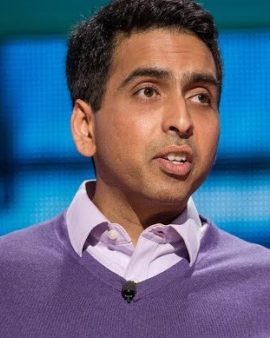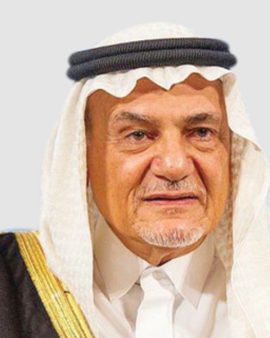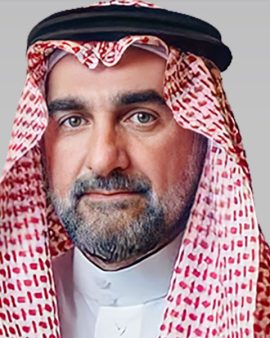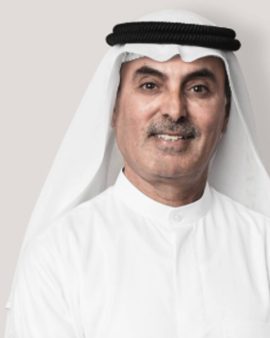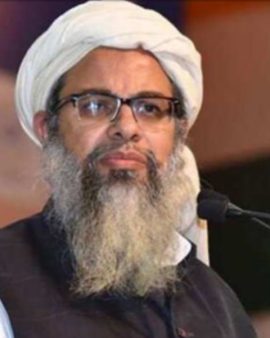
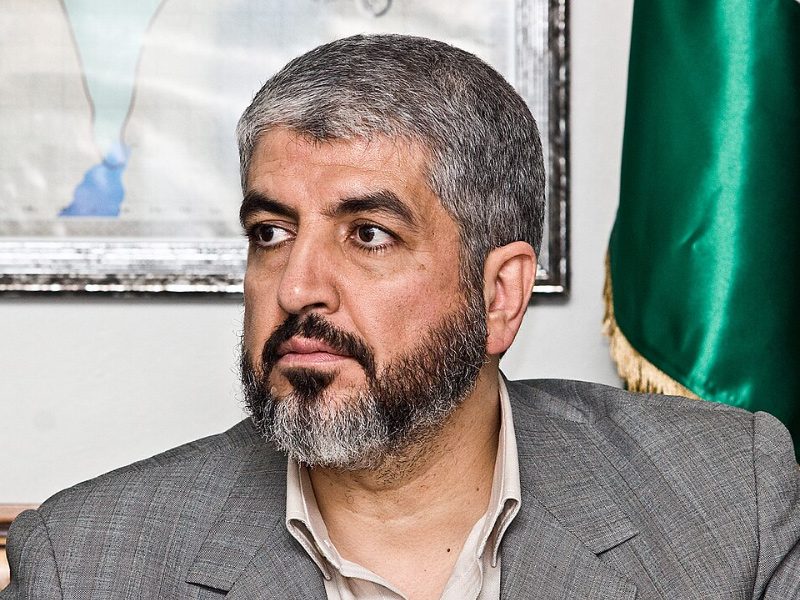

Khaled Mashal (also spelled Khaled Meshaal) is one of the most prominent and enduring leaders of the Palestinian Islamist movement Hamas, and a central figure in Palestinian politics for more than three decades. Known for his political acumen, international outreach, and survival through years of exile and conflict, Mashal has played a decisive role in shaping Hamas from a clandestine resistance organisation into a key actor in Palestinian national life and regional geopolitics.
Born in 1956 in Silwad, a village near Ramallah in the occupied West Bank, Mashal’s early life was shaped by displacement. Following the 1967 Arab–Israeli war, his family moved to Kuwait, where he grew up and received his education. He later earned a degree in physics from Kuwait University. During his student years, Mashal became deeply involved in Islamic activism, joining the Muslim Brotherhood, the ideological current from which Hamas would later emerge.
Mashal was among the founding figures of Hamas when it was established in 1987 during the First Intifada. Unlike many Hamas leaders who operated primarily inside Gaza or the West Bank, Mashal emerged as a key political strategist in exile. His rise within the organisation accelerated after the assassination of Hamas founder Sheikh Ahmed Yassin in 2004, when Mashal was elected Chairman of Hamas’s Political Bureau, effectively becoming the movement’s top political leader.
His leadership gained global attention in 1997, when Israel’s intelligence agency, Mossad, attempted to assassinate him in Amman, Jordan, by poisoning. The failed operation, which nearly cost Mashal his life, led to a diplomatic crisis between Israel and Jordan and ultimately resulted in Israel being forced to provide the antidote that saved him. The incident significantly elevated Mashal’s stature within the Palestinian resistance and across the Arab world.
As head of Hamas’s political bureau, Mashal operated largely from Damascus until the outbreak of the Syrian civil war in 2011, after which he relocated, spending time in Qatar and other regional capitals. He became the movement’s principal international voice, engaging with regional governments and articulating Hamas’s positions on resistance, negotiations, and Palestinian unity. While maintaining Hamas’s ideological commitment to armed resistance, Mashal also demonstrated political flexibility, at times signalling openness to long-term truces and reconciliation with rival Palestinian factions, particularly Fatah.
Mashal stepped down as political bureau chief in 2017, succeeded by Ismail Haniyeh, but he remained an influential figure within Hamas. In 2021, he was elected head of the movement’s diaspora leadership, underscoring his continued importance in shaping Hamas’s external relations and strategic vision.
Often described as pragmatic yet ideologically steadfast, Khaled Mashal occupies a complex place in Middle Eastern politics. To supporters, he is a symbol of Palestinian resistance, resilience, and political survival. To critics, particularly Israel and its allies, he represents the leadership of a movement designated as a terrorist organisation. Regardless of perspective, Mashal’s political longevity, survival through assassination attempts, and role in steering Hamas through changing regional dynamics have secured his place as one of the most influential Palestinian leaders of the modern era.