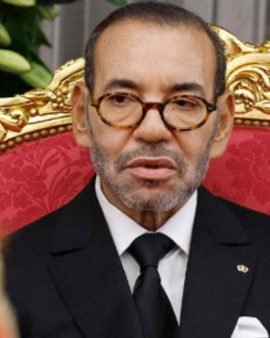

King Mohammed VI: Monarch of Morocco and Architect of Modern Reform
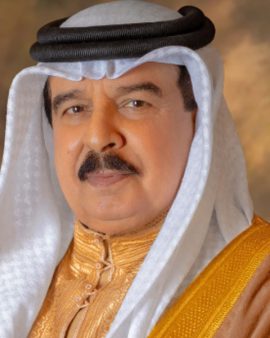
King Mohammed VI is the King of Morocco and one of the most influential monarchs in the Arab and African worlds. Since ascending the throne in 1999, he has overseen a period marked by cautious political reform, economic modernization, and a distinctive approach to religious and diplomatic leadership, balancing tradition with the demands of a rapidly changing society.
Born on 21 August 1963 in Rabat, Mohammed VI is the eldest son of King Hassan II and Princess Lalla Latifa. He received a rigorous education that combined Islamic studies with modern disciplines. After completing his early education in Morocco, he earned a degree in law from Mohammed V University in Rabat and later obtained a doctorate in law from the University of Nice in France. His academic training, particularly in constitutional and international law, shaped his pragmatic and reform-oriented leadership style.
Mohammed VI became king on 23 July 1999, following the death of his father, who had ruled Morocco for nearly four decades. Early in his reign, the new monarch signaled a departure from the authoritarian image of the past by emphasizing human rights, social justice, and reconciliation. One of his most significant initiatives was the establishment of the Equity and Reconciliation Commission (IER) in 2004, which investigated abuses committed during Morocco’s “Years of Lead” and provided compensation to victims—an unprecedented step in the Arab world.
Under Mohammed VI, Morocco has pursued gradual political reforms while maintaining the monarchy’s central role. Constitutional changes introduced after the 2011 Arab Spring expanded the powers of the elected government and parliament, though the king retains decisive authority over security, religion, and strategic policy. As “Commander of the Faithful” (Amir al-Mu’minin), Mohammed VI also exercises religious leadership, promoting a moderate interpretation of Islam rooted in the Maliki school and Sufi traditions to counter extremism.
Economically, the king has championed large-scale infrastructure and development projects aimed at transforming Morocco into a regional hub linking Africa, Europe, and the Middle East. These include the Tanger-Med port complex, renewable energy initiatives such as the Noor Ouarzazate solar power plant, and investments in industry, tourism, and agriculture. While these projects have boosted growth and foreign investment, challenges related to unemployment, inequality, and cost of living persist.
On the international stage, Mohammed VI has strengthened Morocco’s diplomatic and economic ties across Africa, positioning the kingdom as a key partner in South-South cooperation. His reign has also been defined by Morocco’s firm stance on the Western Sahara issue, which he considers a core national priority.
Despite criticism from human rights groups and opposition activists who argue that reforms remain limited, King Mohammed VI is widely viewed as a stabilizing figure. His two-and-a-half decades on the throne reflect a governing approach that seeks incremental change—anchored in Morocco’s traditions while navigating the pressures of modern statehood.