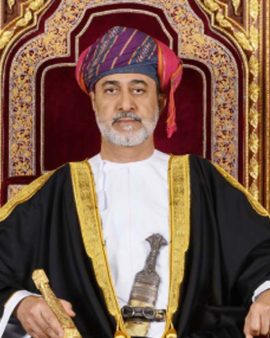

Sultan Haitham bin Tariq: Oman’s Scholar-Ruler and Architect of Continuity with Reform
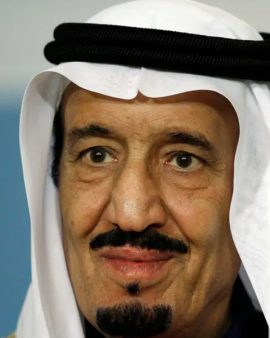
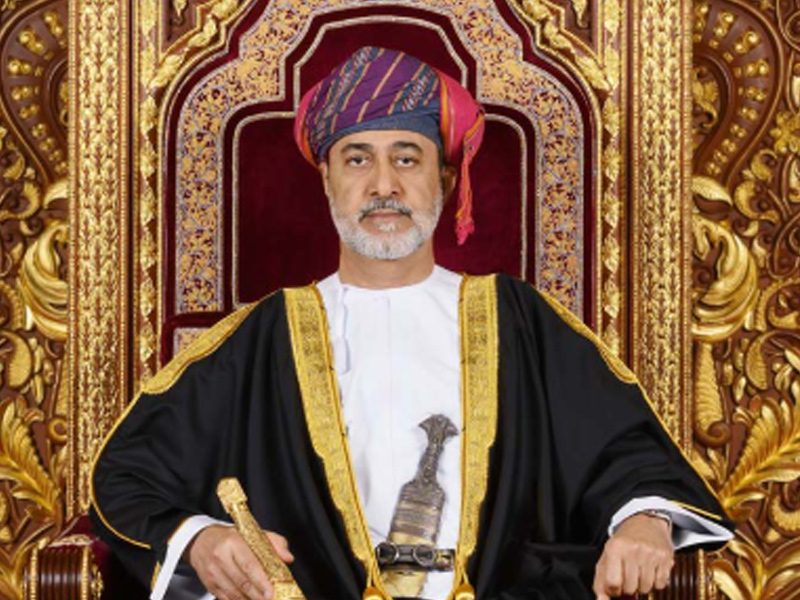
Sultan Haitham bin Tariq Al Said is the Sultan of Oman, having ascended to the throne in January 2020 following the passing of Sultan Qaboos bin Said, one of the Middle East’s longest-serving and most revered leaders. Since assuming power, Sultan Haitham has sought to balance continuity with careful reform—preserving Oman’s tradition of stability and neutrality while steering the country toward economic diversification and institutional modernization.
Born on 11 October 1954 in Muscat, Haitham bin Tariq belongs to Oman’s ruling Al Said dynasty. He received his early education in Oman before studying abroad, graduating from Pembroke College, Oxford, with a degree in Foreign Service. His academic training and exposure to international diplomacy deeply shaped his worldview, giving him a nuanced understanding of global politics, international law, and statecraft.
Before becoming Sultan, Haitham bin Tariq held several important government positions that prepared him for leadership. He served as Undersecretary and later Secretary-General of the Ministry of Foreign Affairs, where he played a key role in shaping Oman’s renowned foreign policy of neutrality, dialogue, and mediation. He later became Minister of Heritage and Culture, overseeing efforts to preserve Oman’s rich history, cultural identity, and intellectual legacy—an area close to his personal interests.
Upon ascending the throne, Sultan Haitham inherited a nation respected for internal cohesion and regional diplomacy, but facing mounting economic challenges, including declining oil revenues and rising public expectations. One of his earliest and most significant initiatives was the articulation of Oman Vision 2040, a long-term national development framework aimed at reducing dependence on hydrocarbons, strengthening governance, empowering youth, and expanding the private sector.
Sultan Haitham has overseen structural reforms in state institutions, streamlining ministries, modernizing public administration, and redefining the role of the Council of Oman to enhance governance efficiency. He has emphasized fiscal discipline, transparency, and sustainable development while remaining cautious about rapid political change, reflecting Oman’s preference for gradualism over disruption.
Internationally, Sultan Haitham has maintained Oman’s distinctive foreign policy—acting as a quiet mediator in regional conflicts and sustaining balanced relations with global and regional powers alike. Oman continues to be viewed as a trusted interlocutor in Middle Eastern diplomacy, a role built on decades of restraint and credibility.
Domestically, Sultan Haitham projects an image of a reserved and thoughtful ruler. He has stressed national unity, rule of law, and equal citizenship, while reaffirming Oman’s Islamic and cultural values. His leadership style is understated, relying more on institutional reform than charismatic politics.
As Oman navigates economic transition and generational change, Sultan Haitham bin Tariq stands as a scholar-ruler shaped by diplomacy, culture, and pragmatism. His reign represents a careful effort to honor the legacy of Sultan Qaboos while preparing Oman for a more diversified, resilient, and sustainable future.