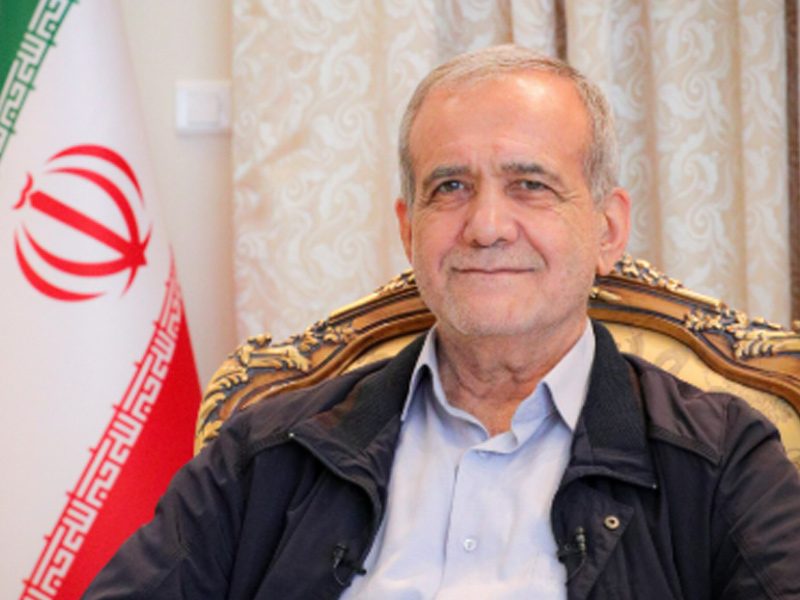

Masoud Pezeshkian: Reformist President of Iran and Advocate of Pragmatic Governance
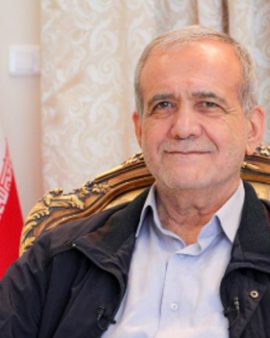
Masoud Pezeshkian is the President of the Islamic Republic of Iran, having assumed office in 2024 following a landmark election that returned a reformist figure to Iran’s highest executive post after years of conservative dominance. A physician by training and a veteran lawmaker, Pezeshkian is widely known for his moderate political stance, emphasis on social justice, and calls for greater accountability and engagement with Iranian society.
Born on 29 September 1954 in Mahabad, in Iran’s West Azerbaijan province, Masoud Pezeshkian comes from a modest background. He is of Azeri origin and has spoken openly about Iran’s ethnic and cultural diversity, often stressing national unity rooted in equal citizenship. Early in life, he pursued medical studies, graduating as a cardiac surgeon. His career in medicine profoundly shaped his worldview, instilling in him a reputation for empathy, discipline, and service to the public.
Pezeshkian entered public service during the reformist era of President Mohammad Khatami, serving as Minister of Health and Medical Education from 2001 to 2005. In that role, he focused on expanding healthcare access, improving medical education, and strengthening Iran’s public health infrastructure. His tenure earned him respect across political lines for professionalism and integrity, even as reformists faced increasing resistance from conservative institutions.
After leaving the cabinet, Pezeshkian was elected multiple times as a Member of Parliament (Majles), representing Tabriz, Osku, and Azarshahr. In parliament, he emerged as a principled reformist voice, often criticizing corruption, mismanagement, and the marginalization of ordinary Iranians. From 2016 to 2020, he served as First Vice Speaker of the Majles, further raising his national profile as a consensus-oriented and outspoken legislator.
Masoud Pezeshkian ran for the presidency on a platform centered on economic relief, social inclusion, and political moderation. His campaign emphasized the need to rebuild public trust, ease social restrictions through dialogue rather than coercion, and pursue a more rational approach to Iran’s foreign relations in order to alleviate economic pressure from sanctions. His victory reflected voter fatigue with economic hardship and political rigidity, as well as renewed support for reformist and moderate politics.
As president, Pezeshkian has pledged to prioritize economic stabilization, fight corruption, and improve relations between the state and society. While operating within Iran’s complex power structure—where ultimate authority rests with the Supreme Leader—he has sought to signal openness to professional governance, expert-driven policymaking, and cautious diplomatic engagement. Observers note that his success depends largely on balancing reformist aspirations with institutional constraints.
Pezeshkian is known for his plain speaking and moral seriousness, often invoking ethical values rather than ideological slogans. Supporters see him as a sincere and grounded leader committed to easing social tensions and improving everyday life. Critics question how much change he can realistically deliver within Iran’s tightly controlled political system.
Masoud Pezeshkian’s presidency represents both hope and limitation—hope for a more responsive and humane governance style, and limitation imposed by entrenched structures of power. His leadership will likely be judged by whether he can translate reformist rhetoric into tangible improvements for the Iranian people amid enduring domestic and international challenges.