
Mahathir bin Mohamad: Architect of Modern Malaysia
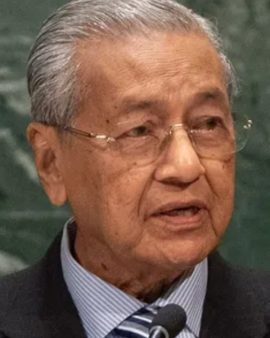
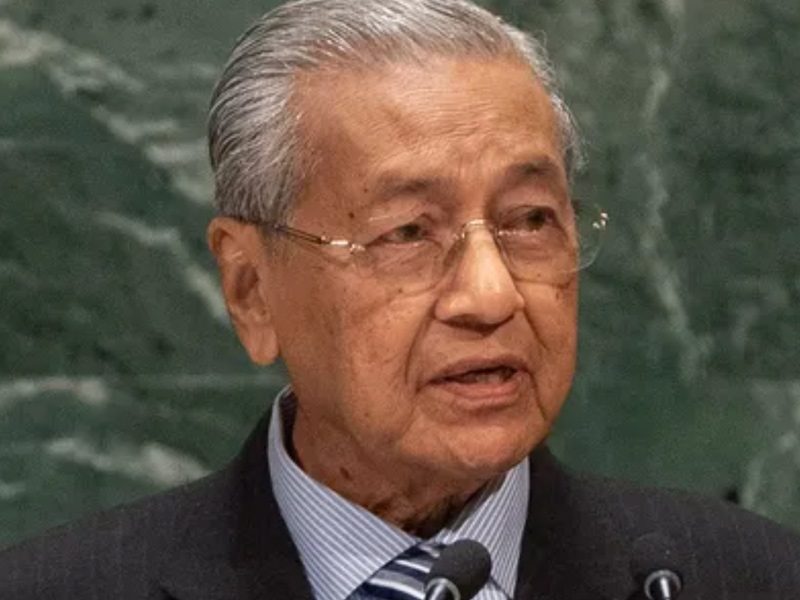
Mahathir bin Mohamad (Jawi: محاضر بن محمد; born 10 July 1925) stands as one of the most consequential and enduring figures in Malaysian history. A physician by training, an author by inclination, and a politician by destiny, Mahathir served as Malaysia’s fourth prime minister from 1981 to 2003 and returned as its seventh prime minister from 2018 to 2020. With a cumulative tenure of 24 years, he remains the country’s longest-serving head of government and, at the age of 100, the first Malaysian prime minister to reach a centenary. His political career, spanning more than seven decades, mirrors Malaysia’s own journey from colonial rule to a modern nation-state.
Born in Alor Setar, Kedah, into a modest, non-aristocratic family, Mahathir’s rise was shaped by discipline, education, and ambition. Excelling academically, he studied medicine at the King Edward VII College of Medicine in Singapore and became a doctor known for his dedication to poor patients in rural Kedah. His medical career fostered a strong sense of social responsibility and nationalism, values that later defined his politics. Parallel to his medical work, Mahathir became politically active, writing passionately on Malay rights and national identity under the pen name “Che Det.”
Mahathir entered Parliament in 1964 as an UMNO member but suffered an early setback when he lost his seat in 1969 and was expelled from the party following sharp criticism of then Prime Minister Tunku Abdul Rahman. During this political exile, he authored The Malay Dilemma, a controversial but influential work advocating affirmative action for Malays. He rejoined UMNO in the early 1970s, rose rapidly through the ranks, and served as Minister of Education and later Minister of Trade and Industry before becoming deputy prime minister in 1976.
In 1981, Mahathir assumed the premiership, ushering in an era of rapid economic growth and state-led modernization. His government promoted industrialization, privatization, and ambitious infrastructure projects such as the North–South Expressway, the Kuala Lumpur City Centre, and the national car project, Proton. These initiatives earned him the title “Father of Modernisation” (Bapa Pemodenan). Under his leadership, Malaysia transformed into one of Southeast Asia’s most dynamic emerging economies. During the 1997 Asian financial crisis, Mahathir rejected IMF prescriptions, imposed capital controls, and steered the country toward a relatively swift recovery.
Yet his rule was not without controversy. His administration faced criticism for authoritarian tendencies, including Operation Lalang in 1987, the 1988 constitutional crisis affecting judicial independence, and the dramatic dismissal of Deputy Prime Minister Anwar Ibrahim in 1998, which sparked the Reformasi movement. Supporters viewed his actions as necessary for stability; critics saw them as abuses of power.
After retiring in 2003, Mahathir remained politically active, eventually returning to power in 2018 at the age of 92 by leading the Pakatan Harapan coalition to victory. His second premiership focused on anti-corruption reforms and addressing the 1MDB scandal, though it ended amid political turmoil in 2020. Despite electoral defeat in 2022, Mahathir continues to influence Malaysian political discourse. Named among Time magazine’s 100 most influential people in 2019, his legacy is that of a complex, dominant, and transformative leader who indelibly shaped modern Malaysia.