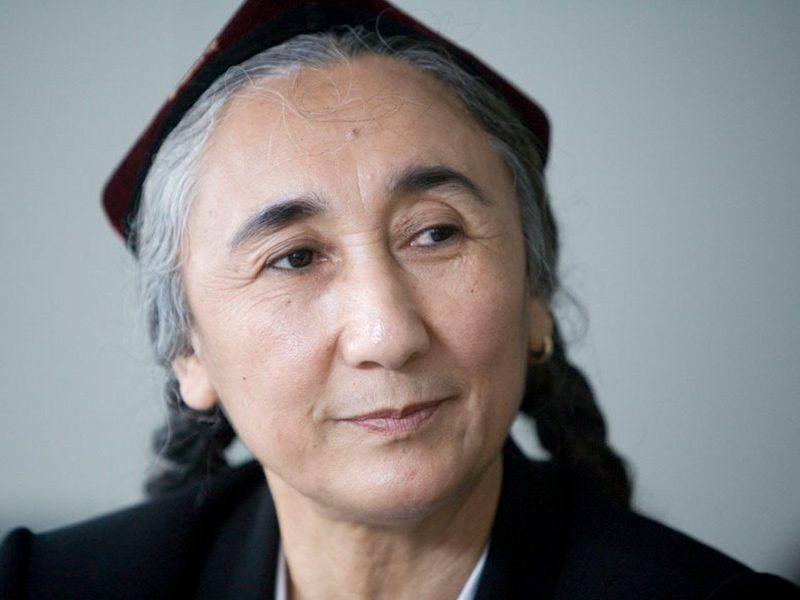

Rebiya Kadeer: From Self-Made Millionaire to Global Voice for Uyghur Rights
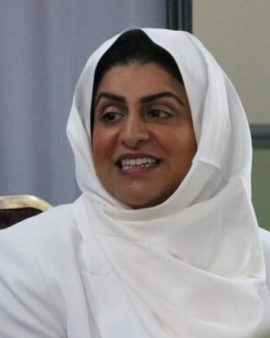
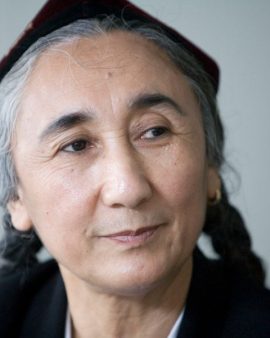
Rebiya Kadeer (Uyghur: رابىيە قادىر; Chinese: 热比娅·卡德尔), born on 15 November 1946 in Altay City, Xinjiang, is one of the most remarkable and controversial figures to emerge from modern China. A self-made businesswoman who rose from poverty to immense wealth, Kadeer later transformed into a prominent political activist and international advocate for Uyghur human rights. Her life journey bridges entrepreneurship, philanthropy, political engagement, imprisonment, and global advocacy, making her a symbol of both resilience and resistance.
Born into a modest Uyghur family, Rebiya Kadeer experienced hardship early in life. Economic necessity pushed her into marriage at a young age, and for years she lived as a housewife raising six children. Despite limited formal education, she demonstrated extraordinary determination and business acumen. During the later years of the Cultural Revolution, she began sewing and selling clothes discreetly to supplement her family’s income—an act that brought official suspicion but also marked the beginning of her entrepreneurial path.
After her divorce, Kadeer’s fortunes changed dramatically. In 1976, she opened a small laundry business, which grew steadily. Following her remarriage in 1981 and relocation to Ürümqi, she entered cross-border trade after the collapse of the Soviet Union. Trading with Russia and Central Asia, Kadeer built a vast commercial empire. By the 1990s, she had become one of the wealthiest individuals in China, with assets estimated at over 200 million yuan. She founded Akida Industry and Trade Co., owning major commercial properties such as the Akida Trade Center and Kadeer Trade Center in Ürümqi. Her success earned her the nickname “the millionairess” and placed her among China’s richest entrepreneurs of her time.
Beyond business, Kadeer was deeply involved in philanthropy. She launched the 1,000 Mothers Movement, a foundation aimed at empowering Uyghur women through small businesses and supporting orphaned and underprivileged children. Her social work, combined with her business success, brought her official recognition. She served as a member of the 8th Chinese People’s Political Consultative Conference, held leadership roles in women entrepreneurs’ associations, and represented China at the 1995 UN Fourth World Conference on Women in Beijing. For a time, she was also a member of the Chinese Communist Party.
Her relationship with the state deteriorated sharply in the late 1990s. After her husband, Sidik Haji Rouzi, moved to the United States and became a broadcaster critical of Chinese policies, Kadeer increasingly spoke out against ethnic discrimination. In 1999, she was arrested and later sentenced to prison on charges of leaking state secrets. Her imprisonment drew international attention, turning her into a cause célèbre among human rights organizations and Western governments.
Released on medical grounds in 2005, Kadeer was allowed to leave China and settled in the United States. In exile, her role expanded globally. She became President of the World Uyghur Congress (2006–2017) and the Uyghur American Association, emerging as the most prominent international spokesperson for Uyghur rights. She was nominated multiple times for the Nobel Peace Prize and met world leaders, including U.S. President George W. Bush.
Today, Rebiya Kadeer remains a towering figure in Uyghur history—a woman whose life reflects an extraordinary transformation from a self-made business magnate within China to an enduring symbol of dissent and advocacy on the world stage.