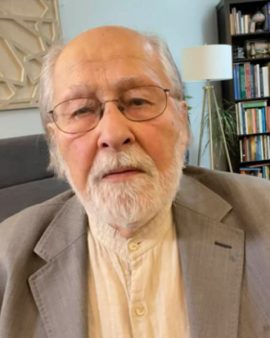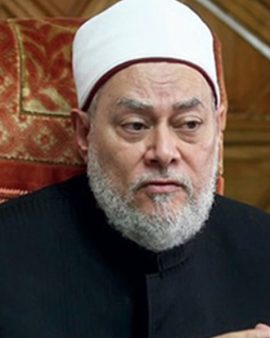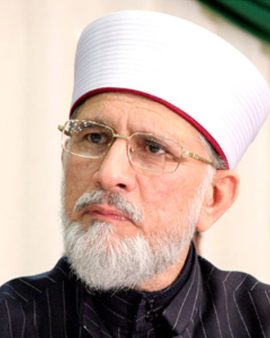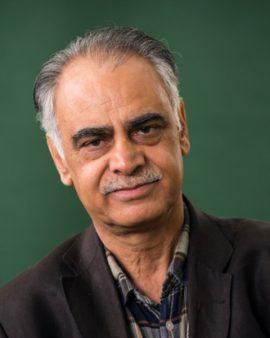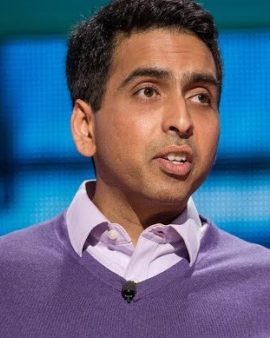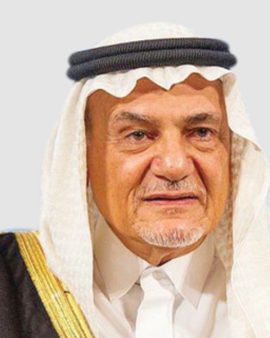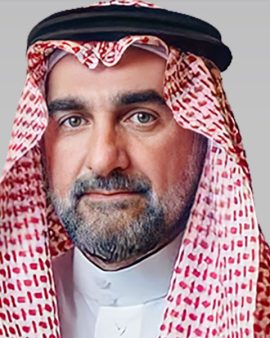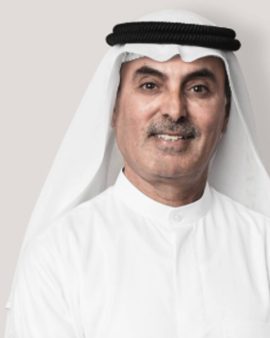
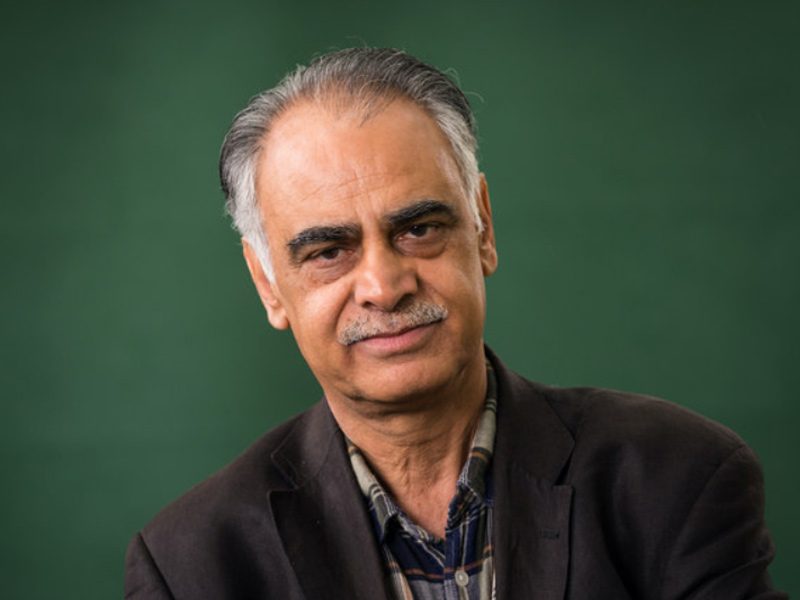

Ziauddin Sardar: Reimagining Islam, Knowledge, and the Future
Ziauddin Sardar is one of the most original and influential Muslim intellectuals of our time—a writer, cultural critic, futurist, and public thinker whose work has reshaped conversations on Islam, modernity, science, and identity. Known for his fearless questioning and deep ethical engagement, Sardar has spent decades challenging both Western intellectual dominance and internal stagnation within Muslim societies, urging a more humane, plural, and future-oriented worldview.
Born in Pakistan and raised in Britain, Sardar’s intellectual journey reflects the experience of living between cultures. This duality shaped his lifelong concern with questions of belonging, knowledge, and power. Educated in science and information studies, he soon moved beyond disciplinary boundaries, emerging as a leading voice in the critique of Eurocentrism and the politics of knowledge. His early work interrogated how modern science and technology, when divorced from ethics, can reinforce inequality and cultural erasure.
Sardar is perhaps best known for his pioneering contributions to Islamic futures studies. At a time when Islam was often portrayed either as a relic of the past or a source of conflict, he insisted on asking a radical question: What kind of future do Muslims want to build? Through books such as Islamic Futures, The Future of Muslim Civilisation, and Reading the Qur’an, he argued for an Islam rooted in justice, compassion, and reason—capable of engaging creatively with modern challenges without surrendering its moral core.
A prolific author, Sardar has written over 50 books, ranging from theology and cultural studies to science, postcolonial theory, and memoir. His works—including Orientalism, Desperately Seeking Paradise, and Why Do People Hate America?—are marked by clarity, moral urgency, and intellectual courage. He has also served as editor of influential journals such as Futures and Critical Muslim, creating platforms for critical, decolonial Muslim thought.
Beyond academia, Sardar has been a prominent public intellectual, writing regularly for international media including The Guardian and New Statesman, and advising institutions such as UNESCO and the British Council. His interventions consistently resist simplification, whether confronting Islamophobia in the West or authoritarianism and dogmatism within Muslim societies.
What sets Ziauddin Sardar apart is his refusal to accept easy answers. He calls for ijtihad—independent, ethical reasoning—as a living practice, not a historical slogan. In an age of polarization and intellectual complacency, Sardar’s work remains a vital reminder that faith, culture, and knowledge must always serve human dignity and the common good.
Ziauddin Sardar is not merely an interpreter of the world; he is a thinker committed to changing it—by imagination, conscience, and hope.