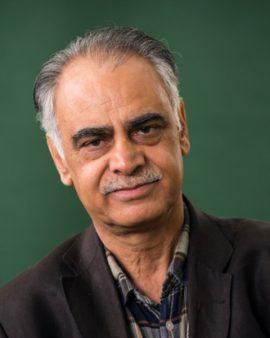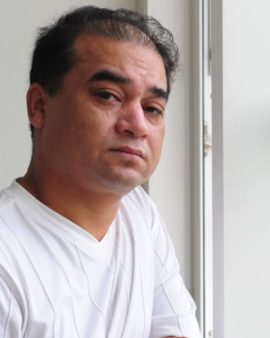

Ilham Tohti: Uyghur Economist, Scholar, and Voice for Dialogue and Human Rights
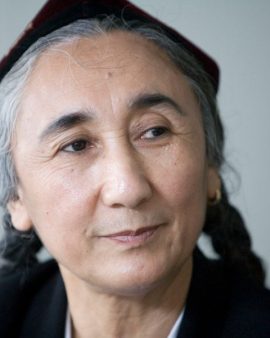
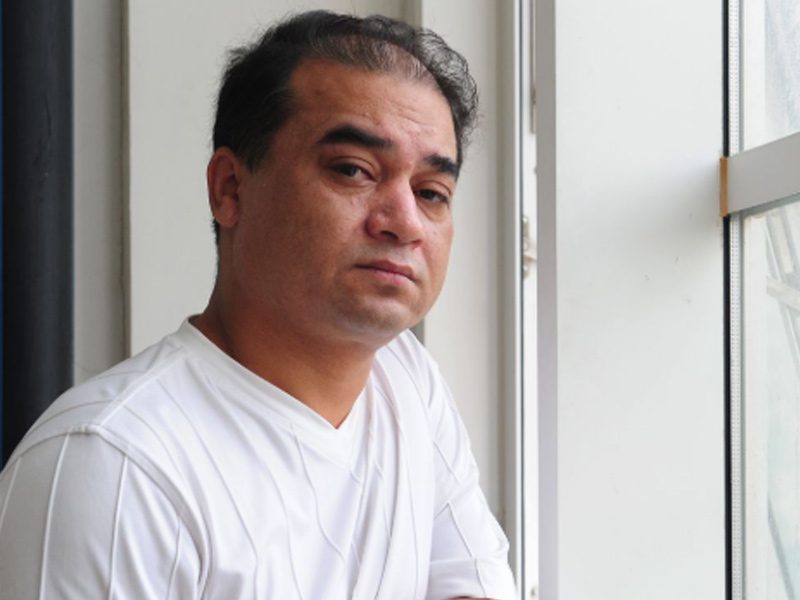
Ilham Tohti is a highly respected Uyghur economist, academic, and public intellectual from the Xinjiang Uyghur Autonomous Region of China. Born on 25 October 1969 in Artush (Artux), Xinjiang, he became internationally known not only for his scholarly work but also for his courageous advocacy on behalf of the Uyghur ethnic minority and his commitment to peaceful dialogue and understanding between ethnic groups in China.
Tohti’s academic journey began with traditional higher education in China. He earned degrees in economics from Northeast Normal University and then from the Minzu University of China (formerly Central Nationalities University) in Beijing. After completing his studies, he joined the faculty of Minzu University, where he taught economics and conducted research on issues affecting ethnic minorities, particularly the socio economic conditions and relations between Uyghurs and Han Chinese.
Throughout the 1990s and early 2000s, Tohti became known as one of the few influential Uyghur voices engaging seriously with China’s ethnic policies. Rather than advocate separatism, he consistently emphasized the need for mutual understanding, legal rights, and respectful coexistence between Uighurs and the Han majority. His academic writings and public lectures focused on economic disparities, cultural differences, and the importance of implementing China’s own regional autonomy laws to protect minority rights.
In 2006, Tohti founded Uyghur Online, a Chinese language website designed to foster dialogue and understanding between Uyghurs and Han Chinese by presenting researched commentary on ethnic issues and social conditions. The platform became widely read but was repeatedly shut down by Chinese authorities, who accused it of links to “extremists.”
Tohti’s growing prominence and critical engagement with government policies led to increasing scrutiny by authorities. He was first detained temporarily in 2009 after ethnic riots in Ürümqi, and then again in January 2014. In September 2014, following a two day trial widely condemned by international rights groups, he was convicted on charges of “separatism” and sentenced to life imprisonment, along with the freezing of his assets. Many human rights organizations have denounced the trial as unfair and politically motivated.
Despite his imprisonment, Tohti’s work has been recognized globally. He has received multiple major human rights awards, including the PEN/Barbara Goldsmith Freedom to Write Award (2014), the Martin Ennals Award for Human Rights Defenders (2016), and the Sakharov Prize for Freedom of Thought from the European Parliament (2019). These honors reflect his steadfast commitment to nonviolent dialogue and human rights, even under extreme repression.
Tohti remains a symbol of peaceful resistance and intellectual courage. His life and work highlight the broader struggles of the Uyghur people within China’s political landscape, and he continues to be a focal point for international calls for justice, autonomy, and respect for human rights in Xinjiang.