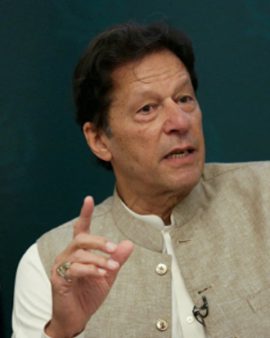

Imran Khan: From Cricketing Icon to Jailed Prime Minister in Pakistan’s Deepening Political Crisis
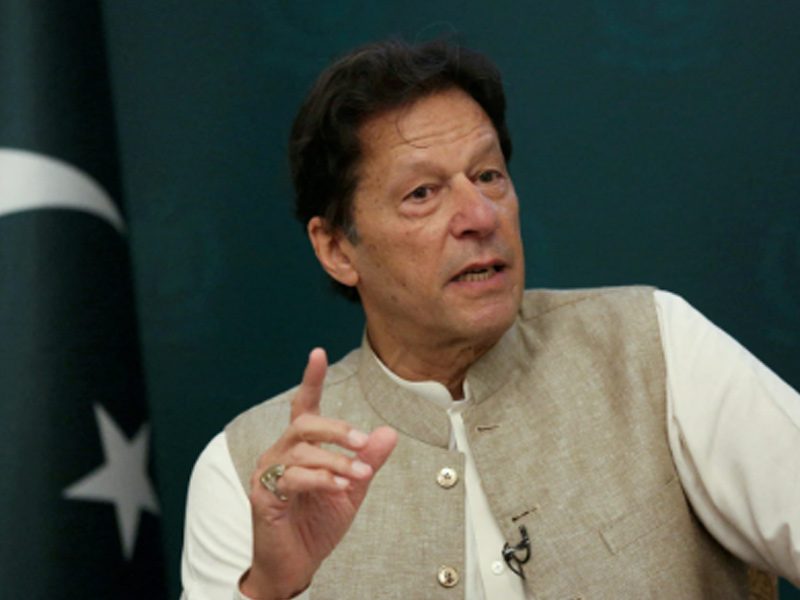
Imran Khan (born 5 October 1952) is a Pakistani politician, former international cricketer, and philanthropist who served as the 22nd Prime Minister of Pakistan from August 2018 until his removal through a parliamentary no-confidence vote in April 2022. Once celebrated as a national sports icon and reformist outsider, Khan’s political career has been marked by mass popularity, polarising leadership, and a dramatic fall from power that culminated in imprisonment.
Born in Lahore to a well-off Pashtun family, Imran Khan was educated at Aitchison College before studying philosophy, politics, and economics at Keble College, Oxford. He rose to global fame as one of Pakistan’s greatest cricketers, captaining the national team to victory in the 1992 Cricket World Cup. His sporting success made him a household name and laid the foundation for his later political appeal.
After retiring from cricket, Khan turned to philanthropy, founding the Shaukat Khanum Memorial Cancer Hospital & Research Centre in Lahore in 1994 in memory of his mother. The hospital, built largely through public donations, enhanced his reputation as a figure committed to public service. In 1996, he launched the Pakistan Tehreek-e-Insaf (PTI), positioning it as an anti-corruption, reformist alternative to Pakistan’s entrenched political elite.
For more than a decade, PTI remained on the margins of politics. Khan’s breakthrough came in the early 2010s, when his populist rhetoric, opposition to US military involvement in the region, and promise of a “Naya Pakistan” resonated with urban middle-class voters and youth. In the 2018 general elections, PTI emerged as the largest party in parliament, and Khan became prime minister.
As prime minister, Khan pledged to combat corruption, reform governance, and establish an Islamic welfare state inspired by Medina. His government launched social protection initiatives such as the Ehsaas Programme, expanded health insurance schemes, and pursued tax reforms. However, his tenure was also marked by economic instability, rising inflation, strained relations with opposition parties, and criticism over press freedom and civil-military relations. Foreign policy under Khan sought closer ties with China, improved relations with Muslim-majority countries, and a more independent stance toward the United States.
In April 2022, Khan was ousted through a vote of no confidence, becoming the first Pakistani prime minister to be removed in this manner. He alleged a foreign-backed conspiracy behind his removal—claims denied by both Pakistan’s military leadership and the United States. Following his ouster, Khan launched a nationwide protest movement demanding early elections, significantly intensifying political polarisation.
Khan’s legal troubles escalated after his removal from office. He faced multiple cases, including corruption, contempt of court, and charges related to state gifts and classified documents. In 2023 and 2024, he was arrested, convicted in several cases, and imprisoned, effectively sidelining him from active politics. His detention and the crackdown on PTI supporters drew criticism from human rights organisations and deepened Pakistan’s political crisis.
Imran Khan remains one of the most influential and divisive figures in Pakistan’s contemporary history. Supporters view him as a principled leader persecuted for challenging entrenched power structures, while critics argue that his confrontational style weakened democratic institutions. Despite imprisonment, his political legacy and popular appeal continue to shape Pakistan’s volatile political landscape.