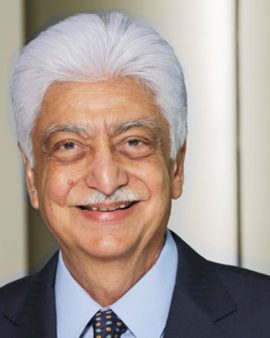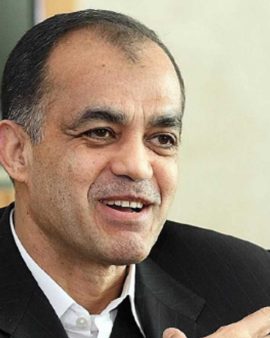


Almuzzammil Yusuf: Principled Politics and Faith-Driven Leadership in Indonesia
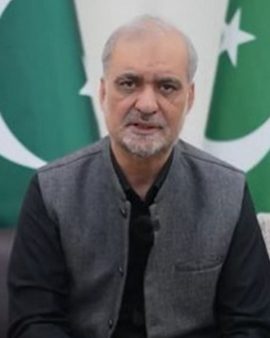
Almuzzammil Yusuf stands among the most respected Islamist political figures in Indonesia, known for his calm intellect, moral clarity, and enduring commitment to democratic engagement rooted in Islamic values. A senior leader and widely recognized head figure of the Prosperous Justice Party (Partai Keadilan Sejahtera – PKS), Indonesia’s leading Islamist political party, Almuzzammil has played a central role in shaping the party’s ideological direction and national presence in the world’s largest Muslim-majority democracy.
Born into a society defined by diversity—of cultures, faiths, and political traditions—Almuzzammil Yusuf’s political journey reflects Indonesia’s own democratic evolution. Trained in Islamic thought and public affairs, he emerged from the tarbiyah movement that gave rise to PKS, a movement that emphasizes moral discipline, social responsibility, and service-oriented leadership. From the outset, his vision of politics was not about power alone, but about reforming society through integrity, justice, and ethical governance.
PKS occupies a unique position in Indonesian politics. Unlike revolutionary Islamist movements elsewhere, the party has consistently worked within Indonesia’s constitutional framework, championing democracy, anti-corruption reforms, and social welfare while drawing inspiration from Islamic principles. Almuzzammil Yusuf has been one of the key architects of this approach. As a strategist, parliamentarian, and party ideologue, he helped articulate PKS’s message as one of “clean governance” (politik bersih), appealing to voters seeking moral credibility in public life.
Almuzzammil’s leadership style is marked by intellectual rigor and quiet resolve. He is widely regarded as a thinker-politician—someone who believes that ideas, values, and institutions matter as much as electoral success. In parliamentary debates and public discourse, he has consistently emphasized constitutionalism, national unity, and the compatibility of Islam with democracy and pluralism. His speeches often stress that Islamic politics must uplift society as a whole, not divide it.
Under his guidance and influence, PKS has expanded its grassroots base, particularly among urban professionals, students, and faith-conscious middle-class voters. The party’s focus on social services, disaster relief, education, and community welfare has reinforced its reputation as a movement deeply embedded in everyday Indonesian life. Almuzzammil has repeatedly argued that political credibility is earned through service—by standing with people in times of hardship and offering practical solutions grounded in ethical values.
In a political environment often marked by transactional alliances and shifting loyalties, Almuzzammil Yusuf has advocated consistency and moral accountability. He has spoken openly about corruption, inequality, and the erosion of public trust, urging leaders to return to the foundational ideals of justice (keadilan), trustworthiness (amanah), and consultation (shura). For him, Islamic politics is not about imposing faith, but about embodying its highest ethical standards.
Beyond party politics, Almuzzammil Yusuf is seen as a bridge between religious conviction and civic responsibility. He represents a generation of Islamist leaders who reject extremism while refusing to abandon faith as a source of moral guidance. His influence extends beyond PKS, contributing to broader debates about the role of religion in public life across Southeast Asia.
In an era of global uncertainty and political cynicism, Almuzzammil Yusuf’s leadership offers an alternative narrative—one that affirms democracy, honors faith, and insists that power must always serve the common good. Through patience, principle, and perseverance, he continues to inspire those who believe that ethical politics is not only possible, but necessary.