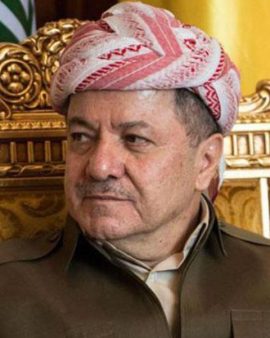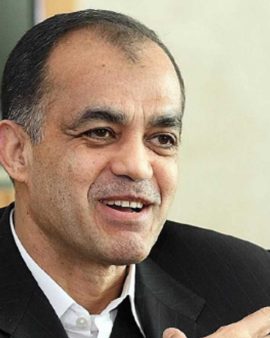
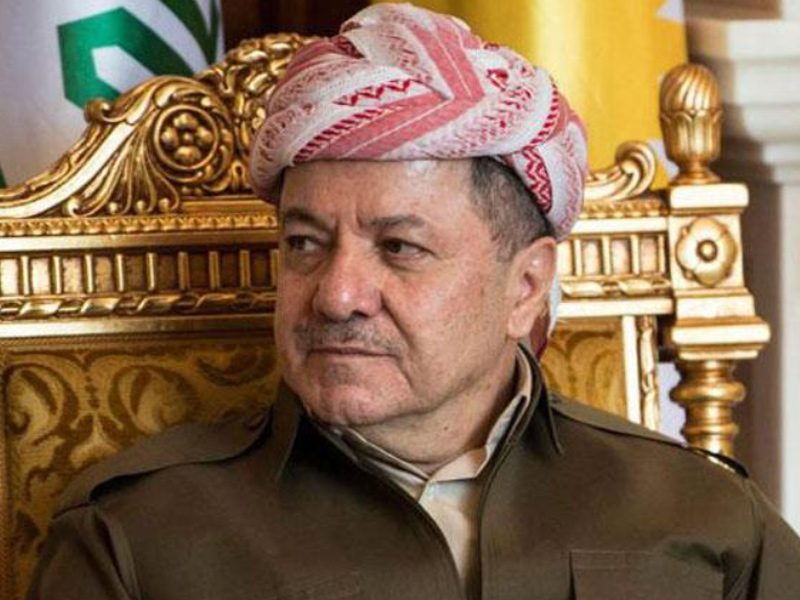

Masoud Barzani: Kurdish Leader and Former President of the Kurdistan Region
Masoud Barzani, born on 16 August 1946 in Mahabad, Iran, is a prominent Kurdish politician, nationalist leader, and former President of the Kurdistan Region of Iraq. As the head of the Kurdistan Democratic Party (KDP) and a central figure in Kurdish politics for decades, Barzani has played a crucial role in advancing Kurdish autonomy, navigating Iraq’s complex political landscape, and advocating for Kurdish national identity within the broader Middle East.
Barzani was born into a politically active family. His father, Mustafa Barzani, was a legendary Kurdish nationalist and leader of the Kurdish resistance movement, whose efforts inspired generations of Kurdish leaders. Growing up amid political struggle and displacement, Masoud Barzani developed a deep commitment to the Kurdish cause. He received his early education in Kurdistan and later underwent political and military training, preparing him for leadership in both resistance movements and political governance.
Barzani’s political career began in the Kurdish resistance against the Iraqi government during the 1960s and 1970s. He played a key role in organizing Kurdish forces, negotiating ceasefires, and advocating for Kurdish rights in Iraq. His efforts contributed to the eventual establishment of the autonomous Kurdish region in northern Iraq following the Gulf War and the imposition of a no-fly zone in the early 1990s. Barzani became the leader of the KDP in 1979, guiding the party through periods of armed struggle, political negotiation, and reconstruction.
In 2005, Masoud Barzani was elected the first President of the Kurdistan Region of Iraq, a role he held until 2017. His presidency was marked by efforts to consolidate the Kurdistan Regional Government (KRG), promote economic development, and strengthen Kurdish self-governance. Barzani championed infrastructure projects, education initiatives, and social welfare programs, aiming to modernize the region while maintaining its cultural and political identity. He also worked to position Kurdistan as a key player in Iraq and the wider Middle East, balancing relationships with Baghdad, neighboring countries, and international partners.
A defining moment of Barzani’s leadership came in 2017, when he spearheaded a non-binding independence referendum for the Kurdistan Region. Although the referendum garnered significant support among Kurds, it prompted a strong response from the Iraqi government and regional actors, leading to political and territorial challenges. Barzani subsequently resigned as President, emphasizing accountability to the Kurdish people and seeking to preserve unity within the KRG.
Beyond his political roles, Masoud Barzani has been an advocate for Kurdish culture, language, and identity. He has promoted the teaching of Kurdish history and language, supported cultural institutions, and encouraged the preservation of Kurdish traditions. Internationally, he has been recognized as a key interlocutor for Kurdish issues, meeting with world leaders to discuss regional stability, human rights, and counter-terrorism efforts, particularly during the fight against ISIS.
Masoud Barzani’s legacy is that of a strategic, resilient, and influential leader who has navigated decades of conflict, negotiation, and state-building. His commitment to Kurdish autonomy, national identity, and regional stability has left an indelible mark on Iraq and the Kurdish people. Even after stepping down from formal office, Barzani remains a central figure in Kurdish politics, offering guidance to the KDP and advocating for the rights and aspirations of Kurds across Iraq and the broader region.