
Ilham Aliyev: President of Azerbaijan and Architect of a Modern Energy-Driven State
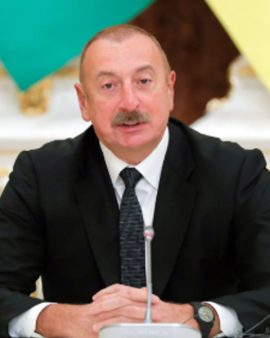
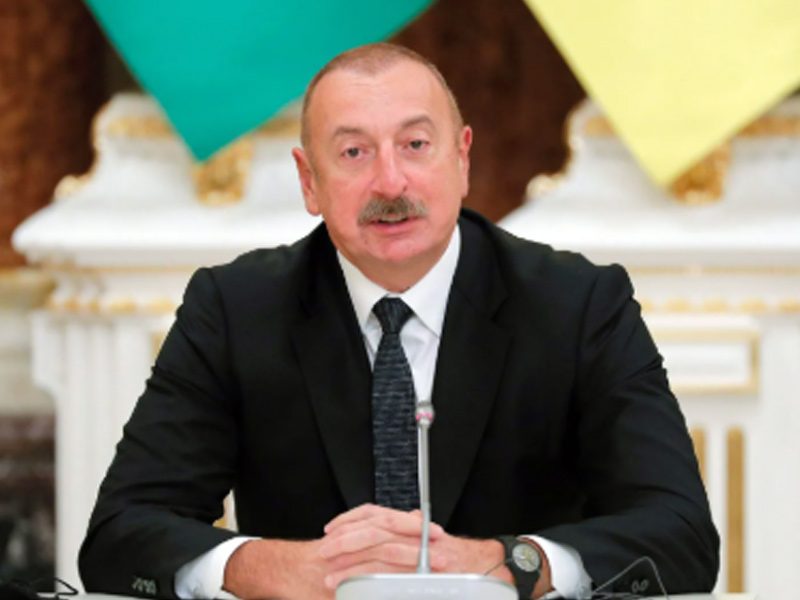
Ilham Heydar oglu Aliyev is the President of the Republic of Azerbaijan and one of the most influential political figures in the South Caucasus. In office since 2003, he has played a central role in shaping Azerbaijan’s political stability, economic growth, and regional standing, particularly through energy diplomacy and the country’s strategic partnerships with Europe and Asia.
Born on 24 December 1961 in Baku, Ilham Aliyev is the son of Heydar Aliyev, the former President of Azerbaijan and a dominant figure in the country’s post-Soviet political history. Ilham Aliyev received his early education in Baku before pursuing higher studies at the Moscow State Institute of International Relations (MGIMO), one of the Soviet Union’s most prestigious institutions. He earned a doctorate in history and later served as a lecturer, gaining early exposure to international affairs and diplomacy.
Aliyev’s political career began in the 1990s, initially through Azerbaijan’s energy sector, which would become a cornerstone of his leadership. In 1994, he became vice-president of the State Oil Company of Azerbaijan Republic (SOCAR), and later its first vice-president. During this period, he was closely involved in negotiating major oil and gas agreements with Western energy companies, including the landmark “Contract of the Century,” which integrated Azerbaijan into global energy markets.
In 2003, Ilham Aliyev was elected President of Azerbaijan following the death of his father. His presidency has been marked by a strong emphasis on economic modernization, infrastructure development, and diversification of the economy beyond oil and gas. Under his leadership, Azerbaijan invested heavily in transportation corridors, urban development, education, and digital governance, transforming Baku into a modern regional hub.
Energy diplomacy has remained central to Aliyev’s international strategy. Projects such as the Baku–Tbilisi–Ceyhan oil pipeline, the Southern Gas Corridor, and the Trans-Anatolian and Trans-Adriatic pipelines have enhanced Azerbaijan’s role as a reliable energy supplier to Europe, strengthening the country’s geopolitical relevance and strategic partnerships.
One of the defining moments of Aliyev’s presidency came in 2020 during the Nagorno-Karabakh conflict. Azerbaijan regained control over significant territories lost in the early 1990s, a development that dramatically reshaped the regional balance and boosted Aliyev’s domestic standing. Since then, his government has focused on reconstruction, resettlement, and integration of the reclaimed areas.
Ilham Aliyev’s leadership style is often described as centralized and assertive, with strong state control over political life. While supporters credit him with stability, development, and restored territorial integrity, critics raise concerns over political freedoms, media independence, and human rights.
As Azerbaijan continues to navigate complex regional dynamics involving Russia, Turkey, Iran, and the European Union, Ilham Aliyev remains a pivotal figure—steering the country through energy diplomacy, post-conflict reconstruction, and efforts to consolidate Azerbaijan’s position as a key Eurasian state.