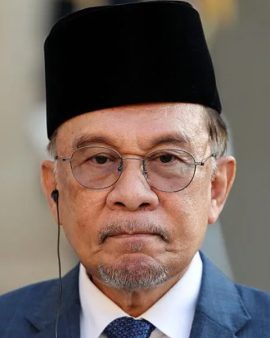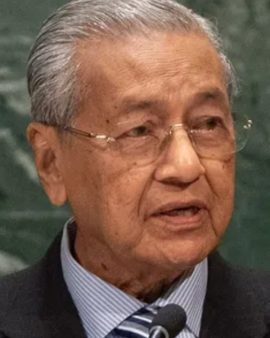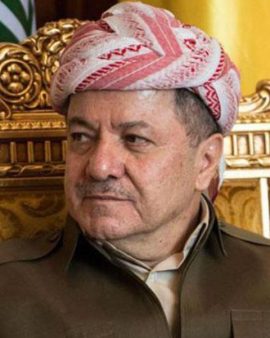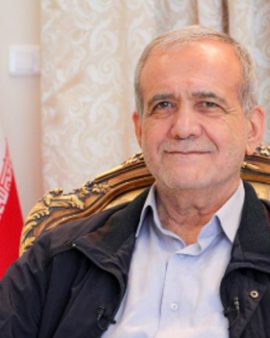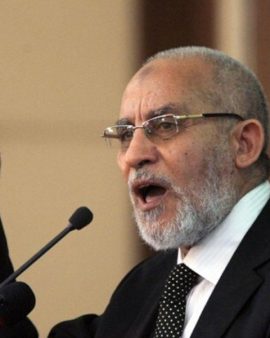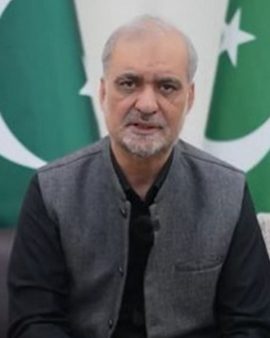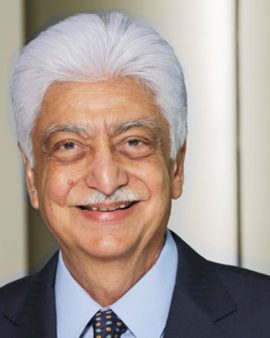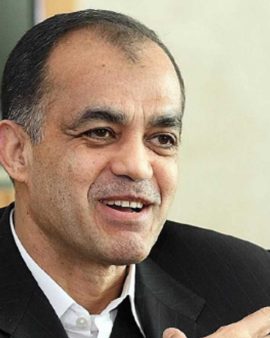


Datuk Seri Abdul Hadi Awang: Malaysia’s Islamic Scholar and Political Leader
Datuk Seri Abdul Hadi Awang, born 20 October 1947 in Marang, Terengganu, Malaysia, is one of Malaysia’s most prominent Islamic scholars and political figures. As the President of the Malaysian Islamic Party (Parti Islam Se-Malaysia, PAS) and a former Minister of Religious Affairs, Abdul Hadi has played a pivotal role in shaping Malaysia’s Islamic political discourse and advocating for policies that integrate Islamic principles with governance. His career reflects a blend of religious scholarship, political activism, and national influence that has made him a key figure in Malaysian public life.
Abdul Hadi’s early life was rooted in religious education. He memorized the Quran at a young age and pursued advanced studies in Islamic theology, jurisprudence (fiqh), and Arabic language. He furthered his education at Al-Azhar University in Cairo, Egypt, where he obtained a degree in Islamic studies. This rigorous academic foundation established him as a respected scholar, providing the credentials and authority that would underpin both his religious and political career.
Returning to Malaysia, Abdul Hadi became actively involved in the Islamic movement and politics. He joined PAS, a party advocating for Islamic values within Malaysia’s pluralistic society, and quickly rose through the ranks due to his scholarship, oratory skills, and organizational acumen. In 2002, he was elected President of PAS, a position he has held for over two decades, making him one of the longest-serving leaders of a major political party in Malaysia. Under his leadership, PAS has continued to influence national debates on morality, governance, and the role of Islam in public life.
In addition to his political leadership, Abdul Hadi served as a Member of Parliament for several decades and as Minister of Religious Affairs from 1999 to 2004. In these roles, he championed policies promoting Islamic education, ethical governance, and interfaith harmony, while also advocating for legislation aligned with Sharia principles in civil matters. He is known for his persuasive speeches and writings, which seek to reconcile traditional Islamic teachings with contemporary societal challenges.
A notable aspect of Abdul Hadi’s leadership is his emphasis on intellectual and moral development. He has authored numerous books, articles, and speeches on Islamic jurisprudence, spirituality, and ethics, aiming to guide both Muslim communities and policymakers. His vision stresses moderation, moral integrity, and the centrality of faith in personal and public life.
Abdul Hadi’s political career, however, has not been without controversy. His advocacy for implementing Islamic legal principles in Malaysia has occasionally sparked debates in the country’s multi-ethnic, multi-religious context. Critics argue that some positions challenge Malaysia’s secular legal framework, while supporters view him as a principled leader committed to the moral and spiritual welfare of Muslims.
Beyond politics, Abdul Hadi is widely respected for his role in fostering Islamic scholarship, education, and community development. He has nurtured generations of religious scholars, activists, and policymakers, ensuring the continuity of informed Islamic leadership in Malaysia.
Datuk Seri Abdul Hadi Awang remains a central figure in Malaysia’s religious and political landscape. His life exemplifies the integration of scholarship, leadership, and social responsibility, reflecting a vision of Islam that seeks to shape both personal morality and national governance while navigating the complexities of a diverse and modern society.