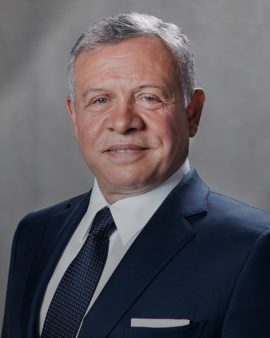
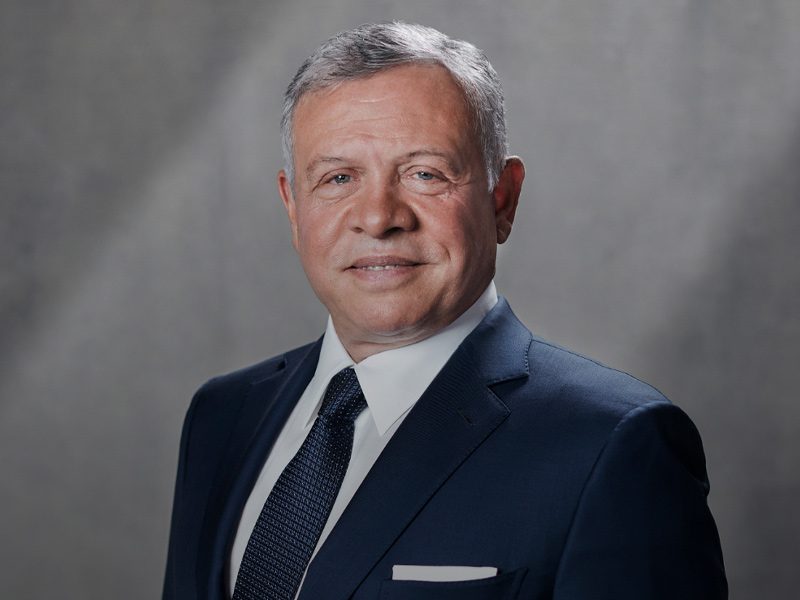

Abdullah II Ibn Al-Hussein: The Hashemite Monarch Steering Jordan Through Regional Turbulence
Abdullah II Ibn Al-Hussein, born on 30 January 1962, is the King of the Hashemite Kingdom of Jordan and one of the Middle East’s longest-serving contemporary monarchs. He ascended the throne in February 1999 following the death of his father, King Hussein bin Talal, inheriting a state known for its strategic importance, political moderation, and delicate balancing of regional pressures.
King Abdullah was born in Amman and educated in both Jordan and the West. His early schooling included St Edmund’s School in the United Kingdom, followed by Eaglebrook School in the United States. He later attended Georgetown University, where he earned a degree in international relations, before receiving formal military training at the Royal Military Academy Sandhurst. This blend of Western education and military discipline would shape his leadership style and worldview.
A career soldier before becoming king, Abdullah served extensively in the Jordanian Armed Forces, including as commander of Jordan’s Special Forces. He rose to the rank of Major General, gaining a reputation as a professional military officer with a keen interest in modernisation, technology, and counter-terrorism. His military background continues to influence his emphasis on security and stability in a volatile region.
Since assuming the throne, King Abdullah II has positioned Jordan as a moderate, stabilising force in Middle Eastern politics. He is a strong advocate of interfaith dialogue, democratic reform, and peaceful coexistence. Internationally, he is best known for his consistent support for a two-state solution to the Israeli-Palestinian conflict and for safeguarding Jordan’s custodial role over Islamic and Christian holy sites in Jerusalem, a responsibility central to the Hashemite monarchy’s legitimacy.
Domestically, Abdullah has pursued cautious political and economic reforms aimed at modernising the state while preserving stability. His reign has seen repeated efforts to reform electoral laws, strengthen institutions, and encourage greater political participation, though critics argue that reforms have often been incremental rather than transformative. Economically, Jordan has faced persistent challenges, including high unemployment, limited natural resources, and heavy dependence on foreign aid. The king has championed economic liberalisation, digital innovation, and public-private partnerships to address these pressures.
Jordan’s role as a humanitarian hub has expanded significantly under Abdullah’s leadership. The country hosts millions of refugees, particularly from Palestine, Iraq, and Syria, placing immense strain on its economy and infrastructure. King Abdullah has repeatedly highlighted this burden in international forums, urging greater global responsibility-sharing and sustained support for host countries.
Married to Queen Rania Al Abdullah, a globally recognised advocate for education, women’s empowerment, and child welfare, the king is father to four children, including Crown Prince Hussein bin Abdullah II, who is widely seen as a central figure in Jordan’s future leadership.
Often described as a pragmatic monarch navigating extraordinary constraints, King Abdullah II Ibn Al-Hussein remains a pivotal regional actor. His reign reflects the ongoing challenge of steering a small, resource-poor country through regional turmoil while preserving internal cohesion, international credibility, and the Hashemite legacy in an uncertain Middle East.