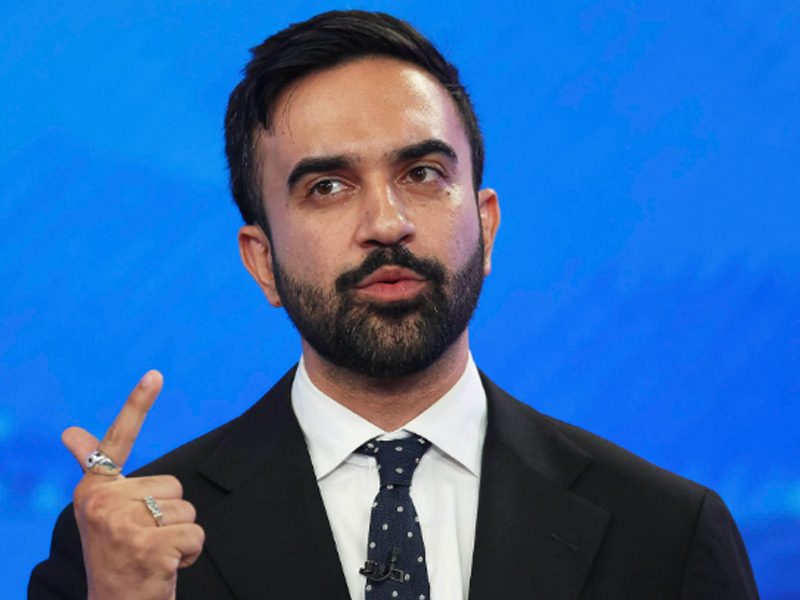

Zohran Mamdani: Progressive New York Lawmaker and Rising Voice of Democratic Socialism
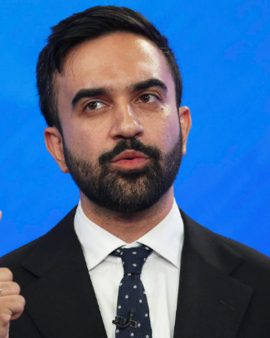
Zohran Kwame Mamdani is a New York State Assembly member and a prominent figure within the progressive and democratic socialist movement in the United States. Representing Assembly District 36 in Queens, Mamdani has gained national attention for his outspoken advocacy on housing justice, public transportation, workers’ rights, and immigrant protections, positioning himself as part of a new generation of grassroots-driven political leaders.
Born in 1991 in Kampala, Uganda, Zohran Mamdani comes from a family deeply rooted in intellectual and cultural life. He is the son of Mahmood Mamdani, a renowned political theorist and professor, and Mira Nair, an internationally acclaimed filmmaker. Raised largely in New York City, Mamdani grew up in a multicultural environment that shaped his views on inequality, colonial history, race, and global justice.
Mamdani attended Bowdoin College in Maine, where he studied Africana Studies. During his student years, he became actively involved in social justice organizing, focusing on issues such as racial equity, immigrant rights, and labor struggles. Before entering electoral politics, he worked as a housing counselor and foreclosure prevention advocate, assisting low-income families—many of them immigrants—in navigating New York City’s complex housing system. This ground-level experience strongly influenced his political priorities.
In 2020, Zohran Mamdani ran for the New York State Assembly as a member of the Democratic Socialists of America (DSA). Running a grassroots campaign powered largely by volunteers and small donations, he defeated a long-serving incumbent in the Democratic primary—an upset that reflected shifting political currents within New York politics. He went on to win the general election, becoming one of the first openly democratic socialist Muslim lawmakers in New York State.
As an Assembly member, Mamdani has been a vocal advocate for housing affordability, pushing for stronger rent regulations, expanded tenant protections, and increased public investment in social housing. He has also championed fare-free public transit, arguing that transportation should be treated as a public good rather than a privilege. His legislative agenda includes support for a higher minimum wage, protections for gig workers, climate justice initiatives, and expanded healthcare access.
Mamdani is also known for his strong pro-immigrant stance and his willingness to challenge established power structures within his own party. He has used social media and direct organizing to mobilize young voters, working-class communities, and marginalized groups who have traditionally been underrepresented in state politics. His approach blends legislative work with movement-building, reflecting his belief that meaningful change requires sustained public pressure beyond electoral victories.
While supporters praise Zohran Mamdani as a principled and fearless advocate for economic and social justice, critics argue that his democratic socialist positions are impractical or too radical. Mamdani has countered such criticism by emphasizing that inequality, housing insecurity, and climate change demand bold solutions rather than incremental reforms.
Zohran Mamdani’s rise reflects a broader transformation within American urban politics. As a lawmaker rooted in activism and community organizing, he represents a growing challenge to establishment politics and signals the increasing influence of progressive, youth-led movements in shaping the future of U.S. democracy.