
Mahmoud Abbas: The Veteran Palestinian Leader Navigating Diplomacy, Division, and the Quest for Statehood
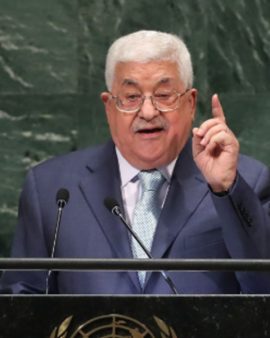
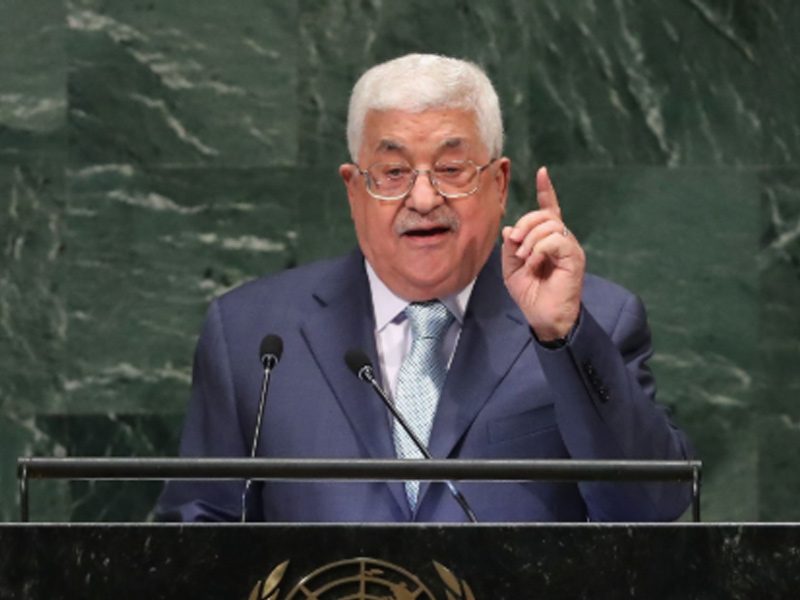
Mahmoud Abbas (born 15 November 1935), widely known by his nom de guerre Abu Mazen, is a Palestinian political leader who has served as President of the State of Palestine and President of the Palestinian Authority (PA) since 2005. He is also the chairman of the Palestine Liberation Organization (PLO), making him the most senior representative of the Palestinian national movement in international forums.
Abbas was born in Safad, in what was then Mandatory Palestine. His family fled to Syria during the 1948 Arab–Israeli war, an experience that shaped his political outlook and commitment to Palestinian statehood. He later studied law at Damascus University and earned a PhD in history from the Patrice Lumumba University in Moscow, where his academic work focused on Zionism and the Holocaust—a subject that later drew controversy and criticism.
A founding member of Fatah, Abbas played a crucial role in the early organisation of the Palestinian national movement alongside Yasser Arafat. Unlike many contemporaries, he was primarily a political strategist rather than a guerrilla commander. Over decades, he emerged as one of the leading advocates of diplomacy and negotiation with Israel, believing that armed struggle alone could not achieve Palestinian independence.
Abbas rose to international prominence as the chief Palestinian negotiator during the Oslo peace process of the 1990s. He was a key architect of the 1993 Oslo Accords, which established the Palestinian Authority and laid the groundwork for limited Palestinian self-rule in parts of the West Bank and Gaza Strip. In 2003, under international pressure for reforms within the PA, Abbas briefly served as Palestinian prime minister, though his tenure was undermined by power struggles with Arafat and Israeli restrictions.
Following Arafat’s death in 2004, Abbas was elected President of the Palestinian Authority in January 2005. His presidency has been defined by a continued commitment to a two-state solution, non-violence, and international diplomacy. He has consistently opposed armed resistance and has promoted security coordination with Israel, a policy that has drawn sharp criticism from Palestinian factions, particularly Hamas.
Abbas’s leadership has faced major challenges, including the Hamas takeover of Gaza in 2007, which resulted in a lasting political and geographic split between Gaza and the West Bank. Multiple reconciliation efforts between Fatah and Hamas have failed to produce lasting unity. Abbas has governed largely by decree since the Palestinian Legislative Council became inactive, and repeated postponements of elections have raised concerns about democratic legitimacy.
On the international stage, Abbas has sought to advance Palestinian statehood through multilateral institutions. In 2012, Palestine was granted non-member observer state status at the United Nations, a diplomatic milestone under his leadership. He has also supported legal action against Israel through international bodies, including the International Criminal Court.
In recent years, Abbas’s presidency has been marked by declining public support, criticism over governance, and frustration over the stalled peace process. Nevertheless, he remains a central figure in Palestinian politics, representing a generation shaped by exile, negotiation, and the enduring pursuit of an independent Palestinian state.