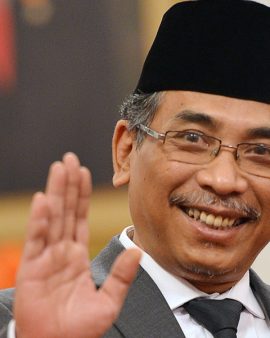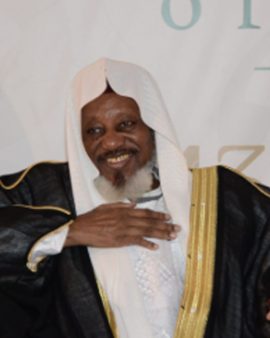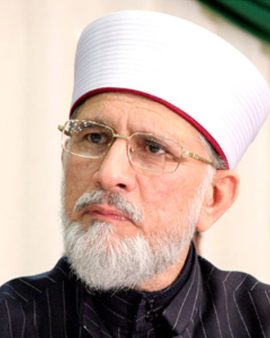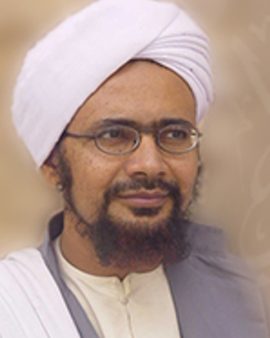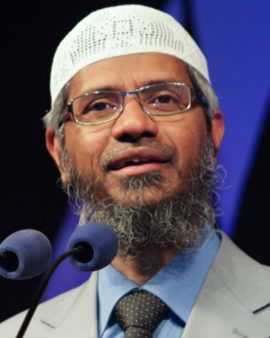


Miftachul Akhyar: Influential Islamic Scholar and Leader in Indonesia’s Nahdlatul Ulama
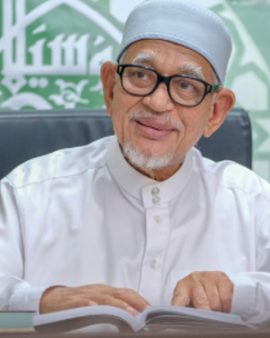
Miftachul Akhyar is a prominent Islamic scholar and a key figure in Indonesia’s Nahdlatul Ulama (NU), the world’s largest Muslim organization. Known for his deep scholarship, dedication to religious moderation, and leadership within Indonesia’s traditionalist Muslim community, he has played a significant role in guiding the organization’s social, educational, and spiritual initiatives.
Born in East Java, Indonesia, Miftachul Akhyar grew up in a family deeply rooted in Islamic education and the pesantren (Islamic boarding school) tradition, which has historically been central to NU’s identity. He pursued classical Islamic studies, focusing on Qur’anic exegesis, Hadith, jurisprudence (fiqh), and theology (aqidah), gaining recognition as a learned scholar among the Nahdliyin—the adherents of Nahdlatul Ulama.
Over the years, Miftachul Akhyar has held several leadership positions within Nahdlatul Ulama. He became particularly prominent as a member of the organization’s executive board and was later appointed as the caretaker (acting) chairman of NU following leadership transitions. In these roles, he has focused on strengthening NU’s religious authority, promoting educational programs in pesantrens, and guiding the organization’s extensive social and charitable activities across Indonesia.
A defining feature of Miftachul Akhyar’s leadership is his commitment to wasatiyyah, the principle of moderation and balance in Islamic practice and thought. He emphasizes tolerance, interfaith harmony, and the importance of applying Islamic principles in ways that promote social cohesion and national unity in Indonesia, the world’s largest Muslim-majority country.
Miftachul Akhyar is also recognized for his efforts to engage youth and civil society, encouraging dialogue and understanding between traditional religious authorities and modern educational and social institutions. His guidance often extends beyond spiritual matters to issues of social justice, humanitarian work, and civic responsibility.
Under his leadership, Nahdlatul Ulama has continued to be a stabilizing force in Indonesian society, advocating democracy, pluralism, and ethical governance while preserving the rich traditions of Islamic scholarship and Sufi practice within the country.
Miftachul Akhyar’s life and work exemplify the role of contemporary Islamic scholars in Indonesia: balancing tradition with modernity, promoting social welfare, and fostering an inclusive, tolerant interpretation of Islam. His influence continues to shape not only NU but also the broader religious and civic landscape of Indonesia.