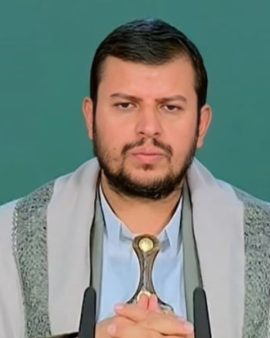

Sheikh Abdul Malik Badr al-Din al-Houthi: The Reclusive Leader Steering Yemen’s Most Influential Armed Movement
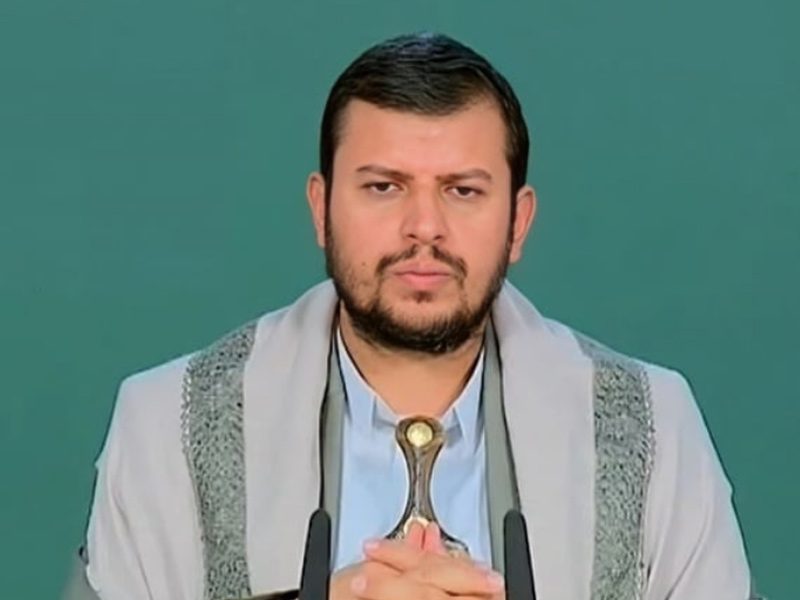
Abdul-Malik Badr al-Din Al-Houthi is the enigmatic and influential leader of Yemen’s Houthi movement, formally known as Ansar Allah. Emerging from a religious family in the rugged northern province of Saada, he has become one of the most consequential actors in Yemen’s modern history. Though rarely seen in public and known for his secluded lifestyle, Abdul-Malik’s leadership has shaped the trajectory of Yemen’s prolonged conflict and redefined regional dynamics in the Arabian Peninsula.
Born in 1979, Abdul-Malik grew up in a household deeply rooted in the Zaydi Shia religious tradition. His father, Badr al-Din Al-Houthi, was a prominent Zaydi scholar, and his elder brother, Hussein Badreddin Al-Houthi, founded the early movement that later evolved into Ansar Allah. This upbringing immersed Abdul-Malik in religious scholarship, tribal networks, and the cultural identity of Yemen’s northern highlands. He was known even in his youth for his quiet demeanor, strong memory, and ideological conviction.
The Houthi movement initially emerged in the early 2000s as a revivalist cultural and religious association but soon found itself in confrontation with the Yemeni state under President Ali Abdullah Saleh. After his brother Hussein’s killing in 2004 during the first of several Saada Wars, Abdul-Malik gradually rose through the ranks. His leadership became cemented after the deaths of several senior commanders, including brother Abdul-Karim and cousin Abdul-Khaliq.
By 2011, as the Arab Spring reached Yemen, Abdul-Malik had become the undisputed leader of the movement. He capitalized on widespread grievances—corruption, marginalization, and economic decline—to expand Houthi influence beyond Saada. His forces took advantage of political fragmentation in the post-Saleh era, eventually capturing the capital, Sana’a, in September 2014. In 2015, a Saudi-led military coalition intervened to restore the internationally recognized government, turning Yemen into one of the most devastating conflict zones of the century.
Under Abdul-Malik’s direction, the Houthis transformed from a localized insurgent group into a powerful political and military entity controlling significant parts of northern Yemen, including Sana’a. His speeches, often broadcast through Al-Masirah TV, emphasize anti-imperialism, resistance to foreign intervention, and social justice—rhetoric that resonates deeply with supporters. His leadership style is characterized by centralization, ideological discipline, and a blend of religious influence with pragmatic tribal alliances.
Despite his low public visibility, Abdul-Malik’s movement has proven highly adaptable. The Houthis developed advanced military capabilities, including long-range drones and ballistic missiles, enabling them to strike targets deep inside Saudi Arabia and the UAE. They have also established parallel governance systems in northern Yemen, managing security, taxation, courts, and humanitarian distribution in areas under their control.
Critics accuse Abdul-Malik of authoritarianism, human rights abuses, and exacerbating Yemen’s humanitarian crisis, while supporters view him as a nationalist leader resisting foreign aggression and corrupt elites. Regional actors and global powers closely monitor his decisions, given the Houthis’ growing military capabilities and strategic location near vital shipping routes.
Today, Abdul-Malik Al-Houthi remains one of the most influential yet elusive figures in Middle Eastern geopolitics. His leadership continues to shape Yemen’s future, regional security calculations, and the broader balance of power along the Red Sea and Arabian Peninsula.