
Abu Obaida: The Masked Voice of the Qassam Brigades
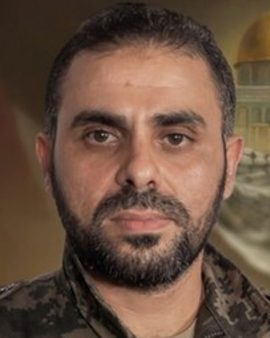
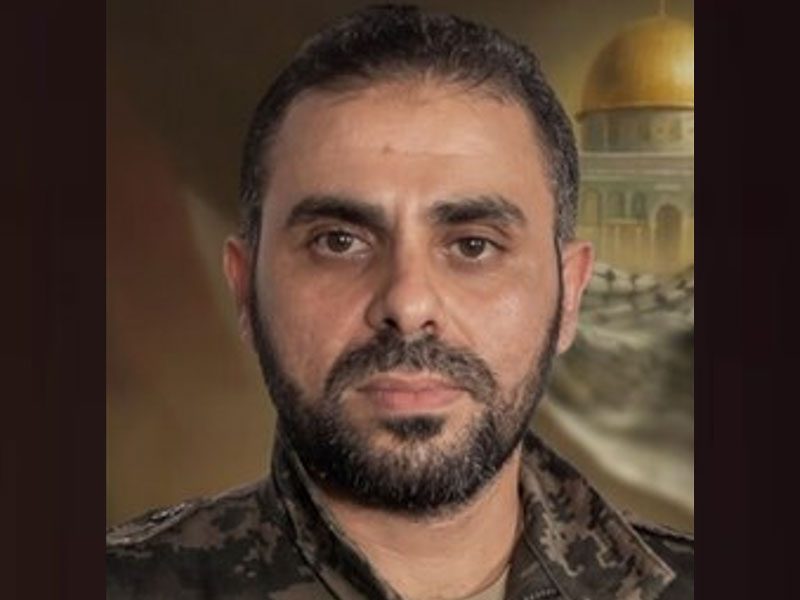
Huthayfa Samir Abdallah al-Kahlout ( 1985 –2025) widely known by the nom de guerre Abu Obaida (Arabic: أبو عبيدة), was a Palestinian militant figure who served for nearly two decades as the chief spokesperson of the Al-Qassam Brigades, the military wing of Hamas. From 2007 until his death in 2025, he became one of the most recognizable—and controversial—faces of Hamas’s military communications, often described as the central architect of the group’s media messaging.
Born in Gaza in 1985, al-Kahlout’s family history reflected the broader Palestinian displacement narrative. His family originally hailed from Ni’ilya, near present-day Ashkelon, and were displaced during the 1948 Palestine War. This background, frequently invoked in Palestinian political discourse, formed part of the context in which Abu Obaida later framed his rhetoric about resistance and occupation.
Abu Obaida first emerged publicly in the early 2000s, appearing at press briefings and representing the Qassam Brigades to regional and international media. Following Israel’s disengagement from Gaza in 2005, he was formally appointed as the group’s spokesperson. By at least 2007, according to U.S. assessments, he had become the consistent public voice of the organization’s military wing. He was known for maintaining strict anonymity, always appearing masked and wearing a red keffiyeh, a visual signature that reinforced both mystique and message discipline. Attempts by Israeli media to reveal his identity were denied by the Qassam Brigades, though U.S. authorities later identified him as al-Kahlout and imposed sanctions in 2024.
Throughout his career, Abu Obaida delivered statements at key moments of escalation. He announced the capture of Israeli soldier Gilad Shalit in 2006 and later commented on other high-profile cases involving Israeli captives. During successive Gaza conflicts—particularly in 2014, 2021, and after October 2023—his speeches combined military claims, warnings to Israel, and political messaging aimed at both Palestinian and regional audiences. His rhetoric often emphasized deterrence, rejected what he described as “red lines,” and framed armed resistance as a response to Israeli actions.
Abu Obaida also played a visible role in negotiations and signaling around prisoner exchanges, repeatedly asserting that future deals would be contingent on specific Palestinian demands. During ceasefire discussions and anniversaries of major operations, he criticized Israeli leadership, particularly Prime Minister Benjamin Netanyahu, accusing Israel of prolonging war and failing to secure the return of captives.
Analysts of his public statements noted that Abu Obaida functioned not merely as a spokesman but as a mobilizer, blending religious language, nationalist themes, and strategic threats. Academic analysis of his rhetoric characterized it as justifying armed struggle against what he termed “Zionist occupation,” while also situating the conflict within a broader regional and international framework.
On 30 August 2025, Abu Obaida was killed in an Israeli airstrike on an apartment building in Gaza City’s Rimal neighborhood. The strike resulted in multiple civilian deaths, including children. Israeli officials confirmed his killing shortly afterward, and Hamas later acknowledged his death, announcing a successor who would assume his nom de guerre.
In death, as in life, Abu Obaida remained a polarizing figure—viewed by supporters as a steadfast voice of resistance, and by critics as a propagandist for an armed organization designated as terrorist by several states. His legacy lies chiefly in how modern militant movements use media, symbolism, and controlled messaging to shape narratives in protracted conflict.