
Baroness Sayeeda Warsi: A Trailblazer in British Politics and Advocate for Faith, Justice, and Inclusion
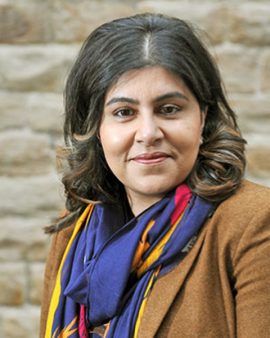
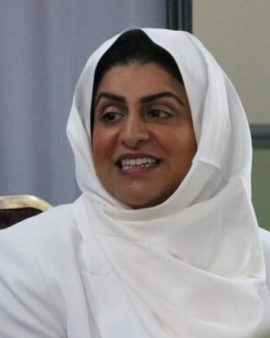
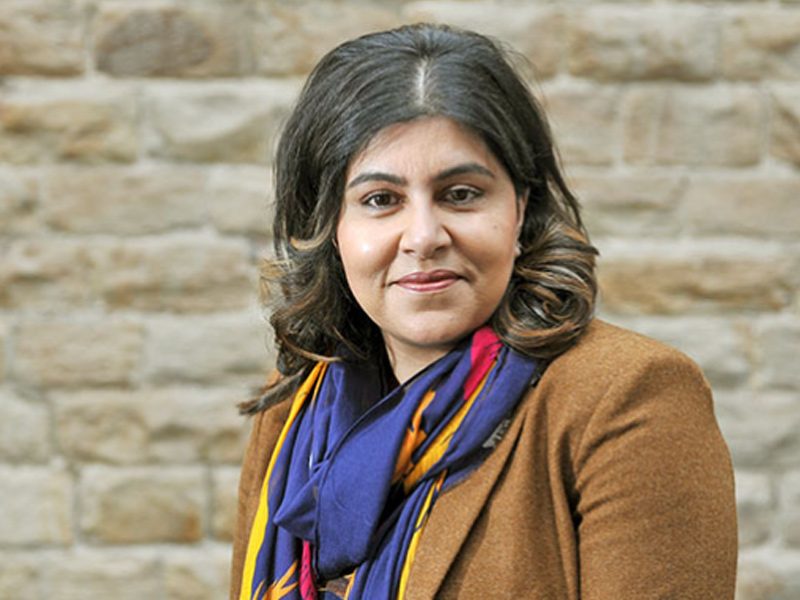
Baroness Sayeeda Warsi is one of the most prominent and influential British Muslim figures of the 21st century. A lawyer, politician, and outspoken public intellectual, she made history as the first Muslim woman to serve in the UK Cabinet and has been a powerful voice on issues of social justice, faith in public life, and foreign policy, particularly concerning the Middle East.
Born on 28 March 1971 in Dewsbury, West Yorkshire, to Pakistani immigrant parents, Sayeeda Warsi grew up in a working-class household that emphasized education, faith, and civic responsibility. Her father ran a successful factory, and her upbringing gave her a strong understanding of both the aspirations and challenges faced by British minority communities. She studied law at the University of Leeds and later qualified as a solicitor, specializing in family law.
Warsi entered politics through the Conservative Party, a path that initially surprised many observers given the party’s limited appeal among ethnic minorities at the time. Her political rise was rapid. In 2007, she was appointed Vice Chairman of the Conservative Party, becoming the first Muslim to hold such a senior role within the party. Her appointment symbolized a significant shift in British politics and signaled an effort to broaden the party’s social and cultural base.
In 2010, following the formation of the Conservative–Liberal Democrat coalition government, Warsi was appointed Minister without Portfolio and made a member of the Cabinet. She later served as Senior Minister of State at the Foreign and Commonwealth Office, with responsibility for faith communities and human rights. In these roles, she worked to promote interfaith dialogue, combat religious discrimination, and strengthen the UK’s engagement with religious leaders globally.
Baroness Warsi gained widespread respect for her principled stance on issues of conscience. In 2014, she resigned from the government over its policy on Gaza, stating that she could no longer support what she described as a “morally indefensible” position. Her resignation was rare in modern British politics and underscored her willingness to prioritize ethical conviction over political advancement.
Throughout her career, Warsi has been a strong advocate against Islamophobia and all forms of racism. She has consistently argued that anti-Muslim prejudice has become socially acceptable in parts of British society and politics, calling for greater accountability in media and public discourse. At the same time, she has emphasized the importance of Muslims engaging constructively in democratic life rather than retreating from it.
Beyond politics, Baroness Warsi is an author and public speaker. Her memoir, The Enemy Within, explores identity, faith, and belonging in modern Britain, offering a candid account of her personal journey and political experiences. She continues to write and speak on issues ranging from freedom of religion to international justice and women’s empowerment.
Baroness Sayeeda Warsi remains a defining figure in contemporary British public life—respected for breaking barriers, admired for her moral courage, and influential as a bridge between faith, politics, and principled leadership in a diverse society.