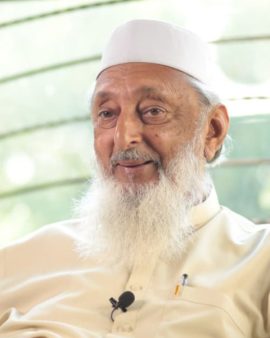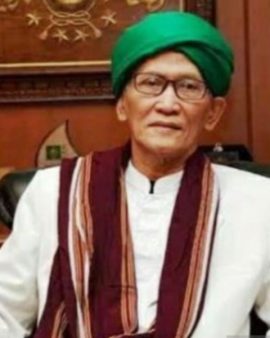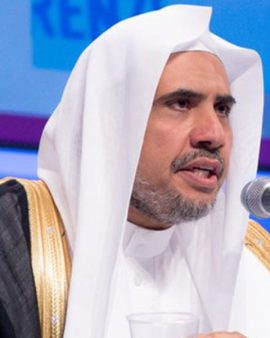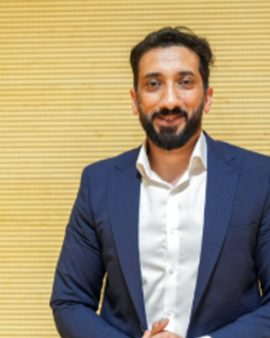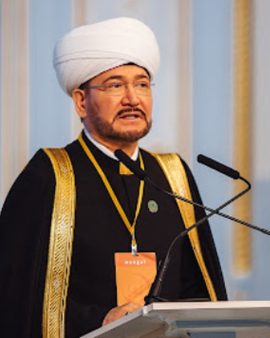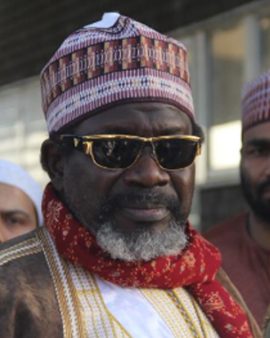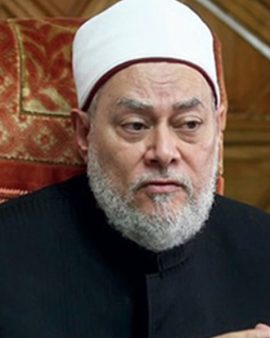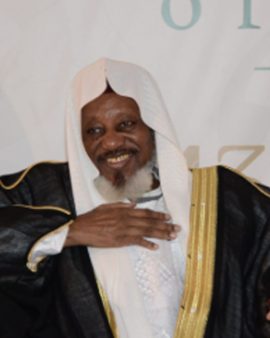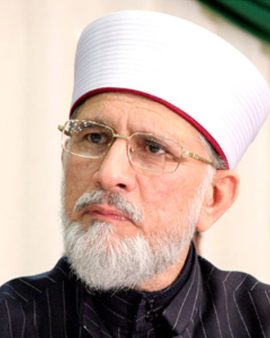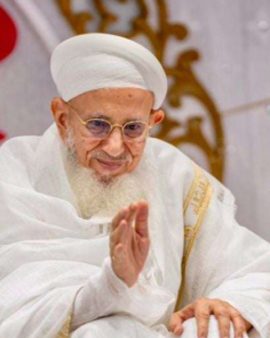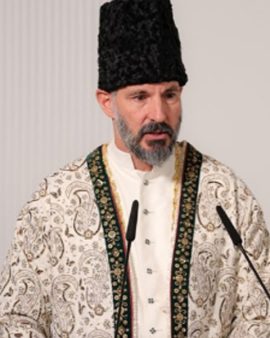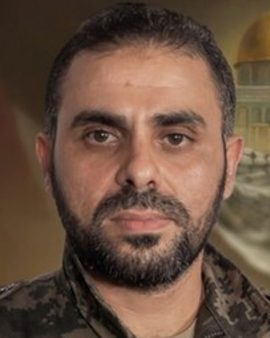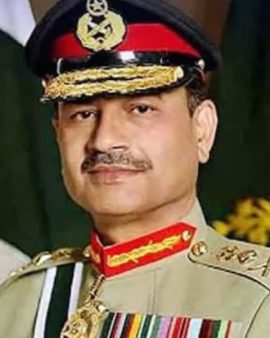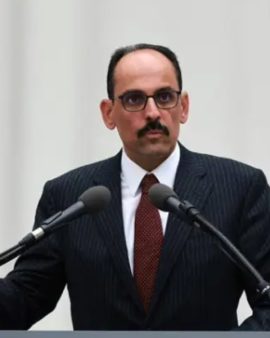

Sheikh Ibrahim Saleh Al-Hussaini: Eminent Nigerian Scholar and Leader of the Tijaniyya Order
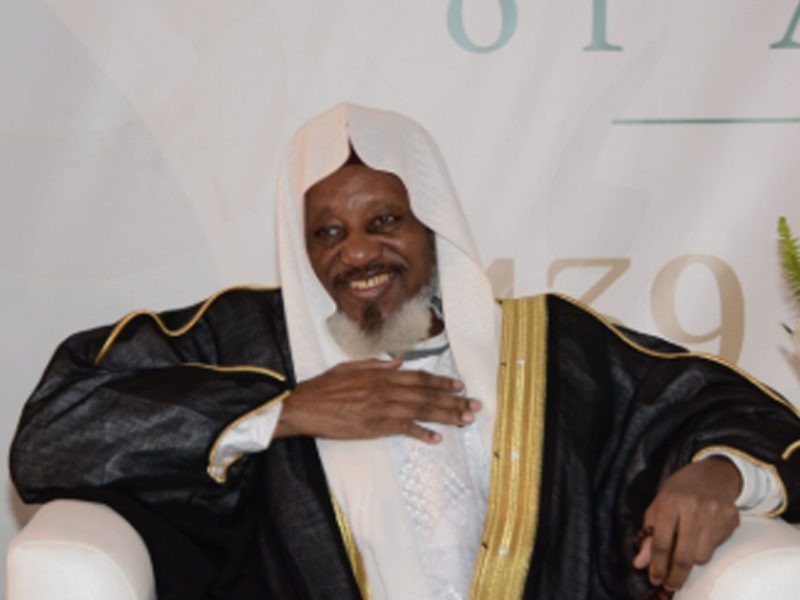
Sheikh Ibrahim Saleh Al-Hussaini is one of Nigeria’s most respected Islamic scholars and a leading spiritual authority in West Africa. Widely known for his deep scholarship, commitment to peaceful propagation of Islam, and leadership within the Tijaniyya Sufi order, he has played a significant role in shaping religious thought and fostering unity among Muslims in Nigeria and beyond.
Born in 1938 in Nigeria, Sheikh Ibrahim Saleh Al-Hussaini received a traditional Islamic education from an early age, memorizing the Qur’an and studying classical Islamic sciences such as fiqh, Hadith, tafsir, and Arabic grammar under prominent scholars in Nigeria and the wider Sahelian region. His intellectual formation reflects the rich heritage of West African Islamic scholarship, particularly the synthesis of jurisprudence and spirituality.
Sheikh Ibrahim Saleh rose to wider prominence as the spiritual leader (muqaddam and later khalifa) of the Tijaniyya Sufi order in Nigeria, one of the largest and most influential Islamic brotherhoods in Africa. Under his guidance, the Tijaniyya movement has emphasized spiritual discipline, devotion to God, love for the Prophet Muhammad (peace be upon him), and ethical conduct, while rejecting violence and extremism. His leadership has been instrumental in maintaining the Tijaniyya tradition as a force for stability and moral guidance in Nigerian society.
In addition to his Sufi leadership, Sheikh Ibrahim Saleh is widely respected as a scholar and teacher. He has spent decades teaching Islamic sciences, delivering sermons, and mentoring students and preachers across Nigeria. His approach combines strict adherence to Sunni orthodoxy with spiritual refinement, making his teachings accessible to both scholars and ordinary believers.
Sheikh Ibrahim Saleh Al-Hussaini is also known for his efforts in promoting peace, inter-communal harmony, and dialogue in a country often affected by religious and ethnic tensions. He has consistently called for coexistence between Muslims and Christians and for the rejection of sectarianism and militancy. His moral authority has often been sought by community leaders and policymakers in times of crisis.
Internationally, Sheikh Ibrahim Saleh has represented Nigerian Islam in global religious forums and scholarly gatherings, strengthening ties between African Muslim scholars and the wider Muslim world. His influence extends across West Africa, where the Tijaniyya order has millions of adherents.
Through a lifetime devoted to scholarship, spirituality, and service, Sheikh Ibrahim Saleh Al-Hussaini has emerged as a symbol of moderate, compassionate Islam in Nigeria. His legacy lies in nurturing faith, promoting peace, and preserving the rich Islamic intellectual and spiritual traditions of West Africa for future generations.