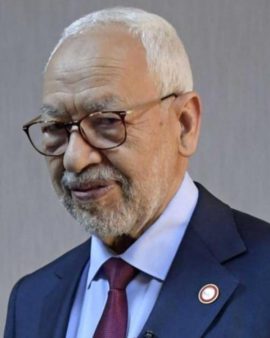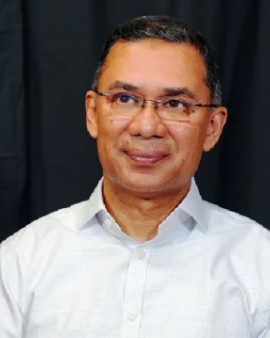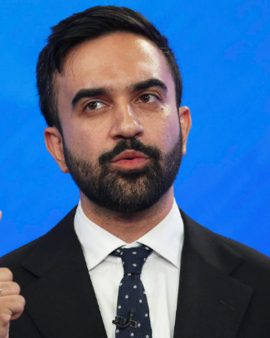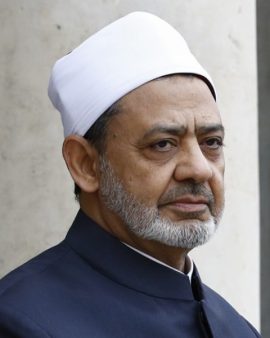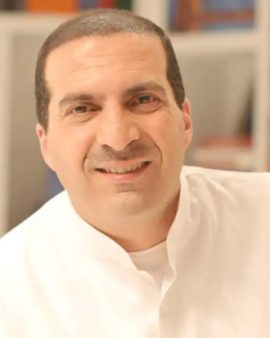

Sheikh Rached Ghannouchi: Islamist Thinker and Influential Political Leader of Tunisia
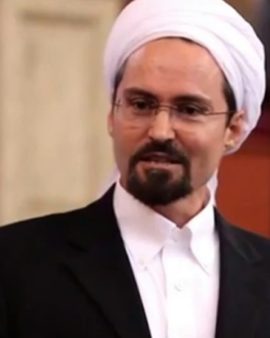
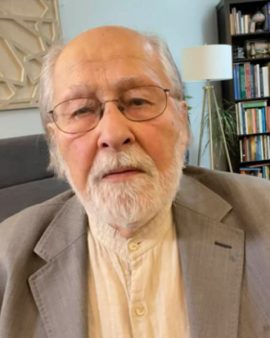
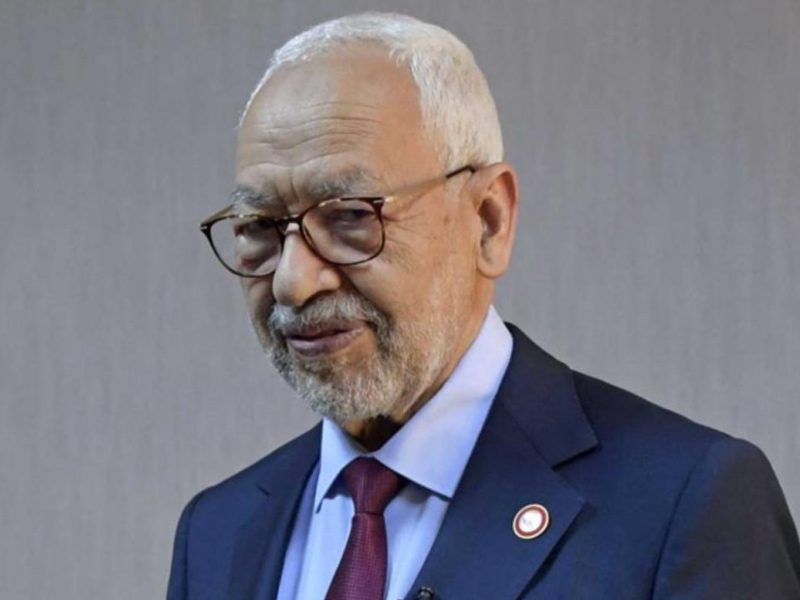
Sheikh Rached Ghannouchi is one of the most influential and controversial political figures in modern Tunisia, widely regarded as the chief architect of political Islam in the country and a central actor in its post-Arab Spring transition. A politician, Islamic thinker, and co-founder of the Ennahda Movement, Ghannouchi has played a decisive role in shaping debates on democracy, Islam, and governance in the Arab world.
Born on 22 June 1941 in El Hamma, in southern Tunisia’s Gabès Governorate, Rached Ghannouchi grew up in a conservative rural family. He received his early education in Tunisia before traveling abroad for higher studies. Ghannouchi studied philosophy at the University of Damascus and later continued his intellectual formation in France, where he was exposed to Western political thought, democratic theory, and Islamic revivalist ideas. These experiences profoundly influenced his attempt to reconcile Islam with pluralism and modern political institutions.
Returning to Tunisia in the late 1960s, Ghannouchi became involved in religious and intellectual activism during the secular authoritarian rule of President Habib Bourguiba. In 1981, he co-founded the Islamic Tendency Movement (MTI), which later evolved into the Ennahda (Renaissance) Movement. The group sought political reform, social justice, and greater space for Islamic values within public life. However, the movement faced severe repression, particularly under President Zine El Abidine Ben Ali, who viewed Islamist activism as a threat to state authority.
Ghannouchi spent much of the 1980s and 1990s in prison and later in exile in the United Kingdom, where he lived for over two decades. During this period, he emerged as a leading Islamic political theorist, producing influential writings on democracy, citizenship, women’s rights, and governance in Islam. He argued that democracy, pluralism, and Islam were not inherently incompatible—an approach that distinguished him from more rigid Islamist ideologues.
The 2011 Tunisian Revolution marked a turning point in Ghannouchi’s political career. After the fall of Ben Ali, he returned to Tunisia to a hero’s welcome. Ennahda quickly became a major political force, winning the largest share of seats in the 2011 Constituent Assembly elections. Ghannouchi, while not holding executive office, exercised immense influence as Ennahda’s leader, advocating consensus politics and compromise with secular parties to safeguard Tunisia’s fragile democratic transition.
Under his guidance, Ennahda accepted power-sharing arrangements, supported a progressive 2014 Constitution, and later redefined itself as a party of “Muslim democrats,” separating political activity from religious preaching. Ghannouchi served as Speaker of the Tunisian Parliament from 2019 to 2021, further cementing his institutional role.
Following President Kais Saied’s power consolidation in 2021, Ghannouchi became a leading opponent of what he described as an authoritarian rollback of democracy. His arrest in 2023 intensified domestic and international debate over political freedoms in Tunisia.
Sheikh Rached Ghannouchi remains a towering yet polarizing figure—praised by supporters as a visionary reformist Islamist and criticized by opponents as a divisive political actor. His legacy is inseparable from Tunisia’s struggle to reconcile faith, freedom, and democratic governance.