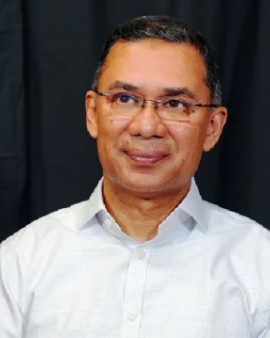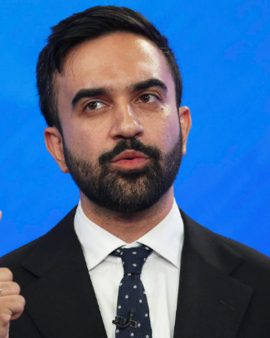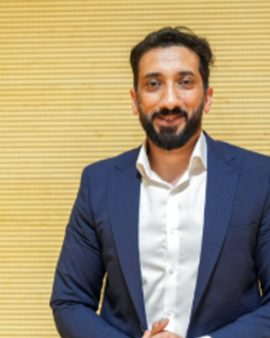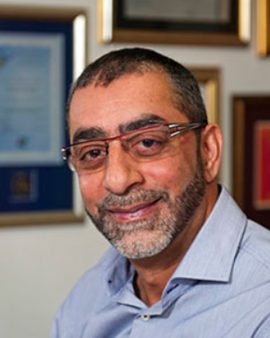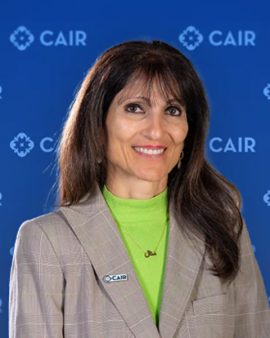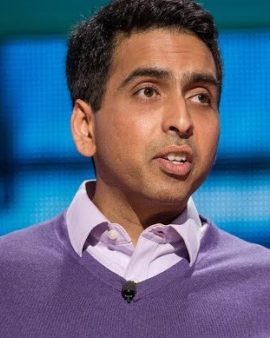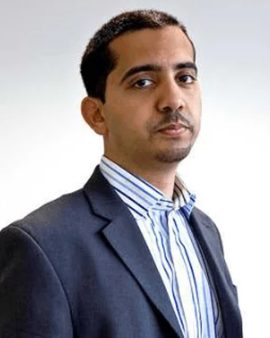
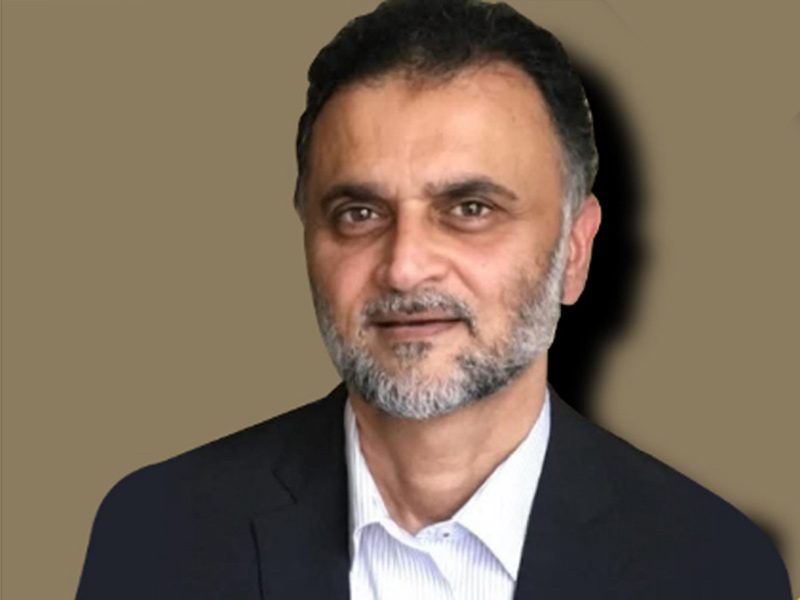

Saad Kazmi: A Grassroots Leader Guiding ICNA into a New Era
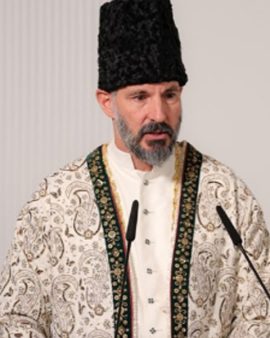
Saad Kazmi’s election as President of the Islamic Circle of North America (ICNA) marks both continuity and renewal for one of the most influential Muslim organizations in the United States. Rooted in grassroots activism and guided by faith, Kazmi steps into leadership at a moment when American Muslims are navigating complex social, political, and moral challenges—while also building institutions that serve the wider society with compassion and purpose.
ICNA, a North American Islamic grassroots umbrella organization, has long sought to propagate Islam and promote the Islamic way of life among American Muslims. Over more than five decades, it has evolved into the largest Muslim organization in the U.S., recognized for its principled engagement, community service, and emphasis on justice, morality, and God-consciousness. Kazmi’s leadership journey is deeply aligned with this mission.
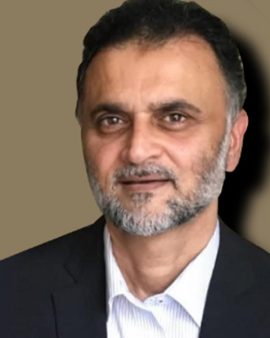
A pharmacist by profession, Saad Kazmi brings to ICNA a blend of professional discipline, community service, and family-centered values. Residing in Murphy, Texas, he is a proud father of four, a role he often cites as grounding his leadership in empathy, patience, and responsibility. For Kazmi, leadership is not merely organizational—it is personal, shaped by everyday commitments to family, community, and faith.
His election followed a fair and transparent process conducted through ICNA’s electronic voting system, ensuring broad participation across the organization’s diverse membership. The election itself was historic: 80.4 percent of ICNA’s general assembly took part, a remarkable level of engagement that reflects the organization’s deep-rooted tradition of shura—consultative governance. This participatory ethos has been a hallmark of ICNA for over 50 years, with presidents elected for a maximum of two consecutive two-year terms. Kazmi’s mandate, therefore, begins with a strong vote of confidence and a clear sense of collective ownership.
The trust placed in Kazmi also reflects ICNA’s steady growth and expanding impact. Under its umbrella operate several flagship initiatives that touch millions of lives: ICNA Relief’s humanitarian work; Why Islam and Gain Peace’s outreach and public education; Helping Hands’ global aid; Young Muslims’ youth development; Embrace’s support for converts; and the Council of Social Justice’s advocacy for equity and human dignity. Kazmi inherits a robust institutional ecosystem—one that requires strategic vision, moral clarity, and collaborative leadership.
As President, Kazmi is expected to build upon this foundation while guiding ICNA through an “exciting new chapter.” His leadership underscores unity within the organization at a time when cohesion and principled engagement are essential. Colleagues describe him as methodical yet approachable, deeply committed to ICNA’s mission of building a society rooted in faith, compassion, and justice.
Kazmi’s ascent also comes with gratitude for the path laid by his predecessor. ICNA has acknowledged the exemplary leadership of outgoing President Dr. Mohsin Ansari, whose dedication and tireless service strengthened the organization and elevated its standing nationwide. Kazmi’s presidency is thus framed not as a departure, but as a continuation—honoring past leadership while charting future possibilities.
Looking ahead, Saad Kazmi’s presidency embodies the aspirations of a community that believes in collective leadership, moral purpose, and service beyond self. With his professional background, grassroots sensibility, and deep commitment to ICNA’s values, he stands poised to guide the organization toward even greater impact—serving not only American Muslims, but the broader society they are an integral part of. With his professional integrity, grassroots sensibility, and unwavering commitment to ICNA’s core values, Saad Kazmi is well-positioned to guide the organization toward even greater impact—strengthening American Muslim civic life while contributing meaningfully to a more just, compassionate, and morally grounded society for all.