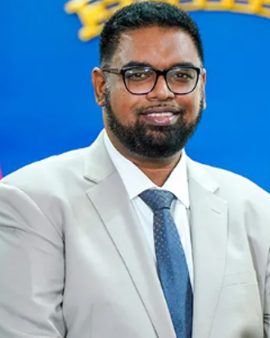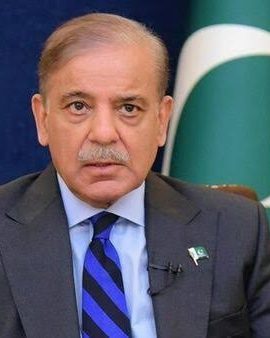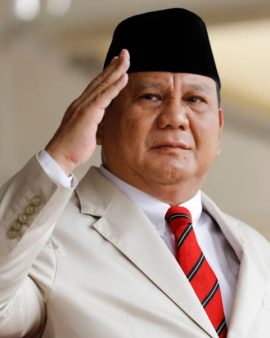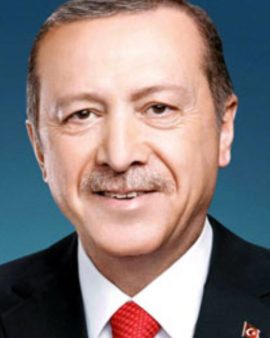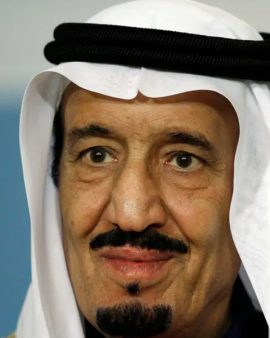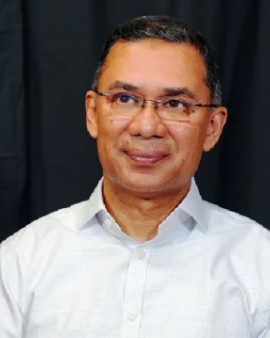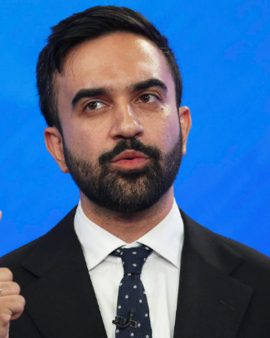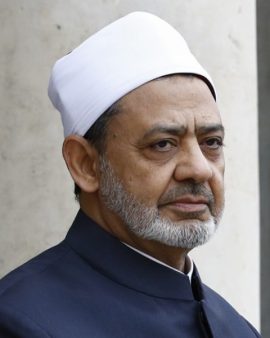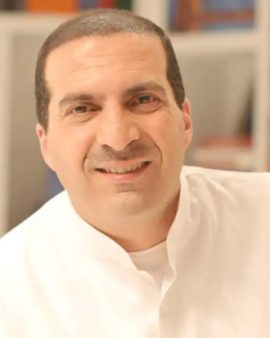
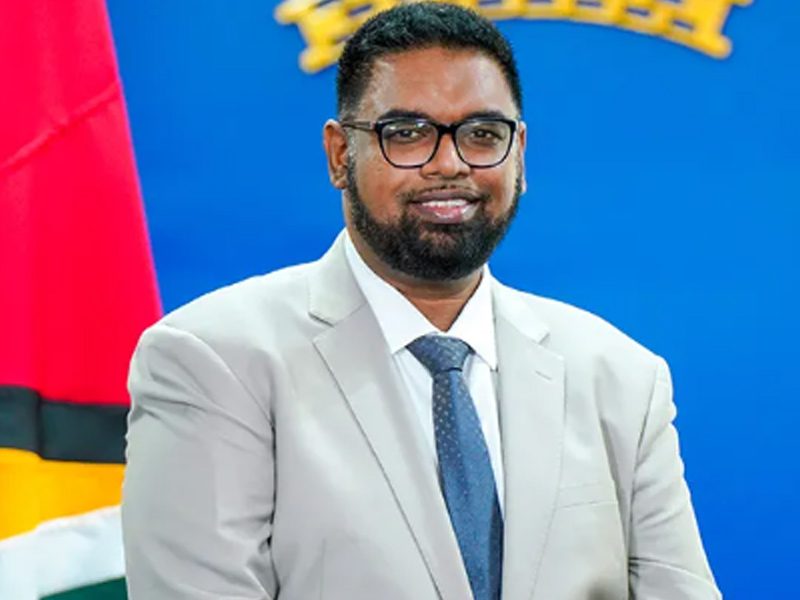

Dr. Mohamed Irfaan Ali: Guyana’s President and a Symbol of Inclusive, Multi-Ethnic Leadership
Dr. Mohamed Irfaan Ali is the President of the Co-operative Republic of Guyana and one of the most prominent Muslim heads of government in the Western Hemisphere. Since assuming office in August 2020, he has emerged as a key figure in guiding Guyana through a period of profound transformation marked by rapid economic growth, driven largely by newfound oil wealth, alongside longstanding challenges of governance, equity, and national unity.
Born on 25 April 1980 in Leonora, West Coast Demerara, Mohamed Irfaan Ali grew up in a modest Indo-Guyanese Muslim family. His early life reflected the diversity of Guyana, a country shaped by African, Indian, Indigenous, European, and mixed heritages. Ali pursued higher education with determination, earning a doctorate in Urban and Regional Planning from the University of the West Indies, making him one of the few heads of government in the Caribbean with a PhD. His academic background has strongly influenced his technocratic and planning-oriented approach to leadership.
Ali entered public life at a young age. In 2006, he was appointed Minister of Housing and Water, becoming one of the youngest cabinet ministers in Guyana’s history. During his tenure, he gained recognition for overseeing large-scale housing schemes that expanded home ownership, particularly among lower- and middle-income families. Supporters credit him with modernizing aspects of Guyana’s housing sector, while critics have scrutinized issues of transparency and implementation—debates that would follow him throughout his political career.
A senior member of the People’s Progressive Party/Civic (PPP/C), Ali rose steadily within the party’s ranks. After the PPP’s return to power following the contentious 2020 elections, he was sworn in as President amid a tense political climate. His assumption of office came after months of electoral disputes and international scrutiny, making the restoration of democratic credibility and national stability one of his first major challenges.
As President, Dr. Ali has focused on economic development, infrastructure expansion, and social welfare. Under his leadership, Guyana has experienced unprecedented economic growth due to offshore oil discoveries, placing the country among the world’s fastest-growing economies. Ali has repeatedly emphasized that oil revenues must be used responsibly to avoid inequality and corruption, advocating investment in healthcare, education, housing, and climate-resilient infrastructure.
Internationally, President Ali has positioned Guyana as an emerging voice on climate change, particularly for low-lying and vulnerable states. Despite Guyana’s oil boom, he has highlighted the country’s vast rainforests and its role as a global carbon sink, seeking climate financing and balanced development pathways. Regionally, he has strengthened ties within CARICOM and maintained diplomatic engagement with global powers.
As a Muslim leader in a religiously plural society, Ali has consistently stressed interfaith harmony and national unity. He presents his faith as a personal moral compass rather than a political platform, reinforcing Guyana’s secular and inclusive democratic traditions.
Dr. Mohamed Irfaan Ali’s presidency represents both opportunity and responsibility: the chance to transform Guyana’s fortunes while ensuring that growth benefits all citizens. His leadership will ultimately be judged by how effectively he balances economic ambition with social justice, democratic accountability, and national cohesion.