
Sheikh Hamza Yusuf Hanson: A Bridge Between Classical Islamic Scholarship and the Western World
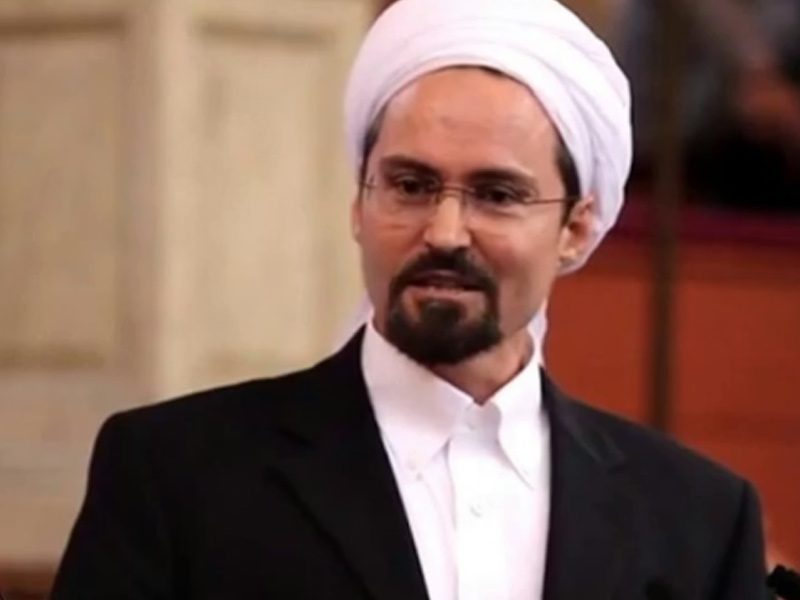
Sheikh Hamza Yusuf Hanson is one of the most prominent Islamic scholars in the West and a leading voice for traditional Sunni Islam in contemporary America. As a teacher, author, and public intellectual, and as the co-founder of Zaytuna College in the United States, he has played a transformative role in shaping Islamic education, interfaith dialogue, and Muslim intellectual life in the English-speaking world.
Born Mark Hanson on September 1, 1958, in Washington State, USA, Hamza Yusuf embraced Islam in his late teens after a period of spiritual searching. His conversion marked the beginning of a lifelong journey of learning and service. Deeply committed to acquiring authentic Islamic knowledge, he traveled extensively to study with some of the most respected scholars of the Muslim world, particularly in North and West Africa and the Middle East. His teachers included renowned authorities in Qur’anic studies, Arabic language, jurisprudence, theology, and spirituality, grounding him firmly in the classical Sunni tradition.
Sheikh Hamza Yusuf is known for his mastery of Arabic, deep engagement with the Maliki school of Islamic jurisprudence, Ash‘ari theology, and an emphasis on tasawwuf (Islamic spirituality) rooted in ethical refinement and prophetic character. Over the years, he emerged as a compelling teacher and speaker whose eloquence and intellectual depth resonated with Muslims seeking a balanced, rooted, and thoughtful approach to faith amid the challenges of modern life.
In 1996, he co-founded Zaytuna Institute, which later evolved into Zaytuna College, alongside scholars such as Shaykh Abdallah bin Bayyah and Imam Zaid Shakir. Located in Berkeley, California, Zaytuna College became the first accredited Muslim liberal arts college in the United States. The institution aims to integrate classical Islamic sciences with the Western liberal arts tradition, nurturing graduates who are intellectually rigorous, ethically grounded, and civically engaged. As president emeritus, Hamza Yusuf continues to shape its vision and curriculum.
Beyond academia, Sheikh Hamza Yusuf has been a key figure in translating and preserving classical Islamic texts, making them accessible to English-speaking audiences. His lectures and writings address a wide range of subjects, including Islamic theology, ethics, environmental responsibility, social cohesion, and the spiritual crises of modernity. He is also widely recognized for his efforts in interfaith dialogue, regularly engaging with Christian and Jewish leaders to promote mutual understanding and peaceful coexistence.
Following the events of September 11, 2001, Hamza Yusuf emerged as a prominent Muslim public intellectual in the United States, often called upon to explain Islam to broader audiences and to condemn extremism and violence. His nuanced positions—emphasizing justice, moral clarity, and social responsibility—have earned him both admiration and criticism, reflecting the complexities of Muslim leadership in a pluralistic society.
Through teaching, institution-building, and public engagement, Sheikh Hamza Yusuf Hanson has become a vital bridge between Islamic tradition and the Western context, advocating a faith rooted in knowledge, compassion, and ethical responsibility for the modern world.