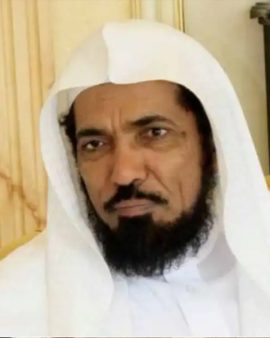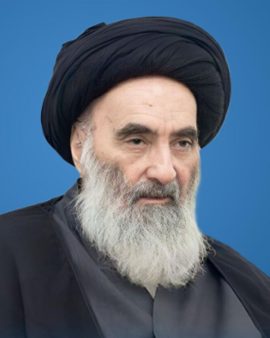
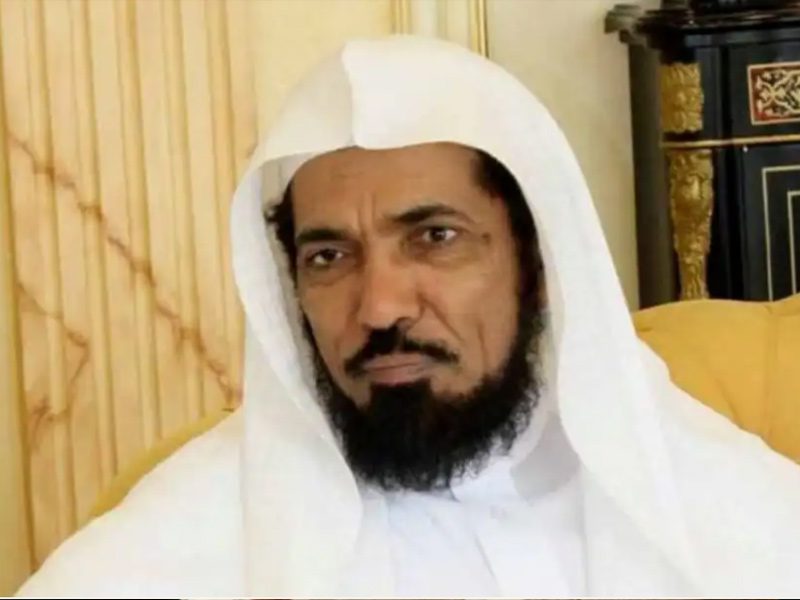

Sheikh Salman Al-Ouda: Scholar, Educator, and Voice of Moderation in Saudi Arabia
Sheikh Salman bin Fahd bin Abdullah Al-Ouda is among the most prominent contemporary Islamic scholars and educators to emerge from Saudi Arabia, widely respected for blending classical Islamic learning with thoughtful engagement on modern social and ethical issues. Born on 14 December 1956 in Al-Qassim Province, his intellectual journey reflects a deep commitment to religious scholarship, public education, and moral reform rooted in Islamic values.
Al-Ouda received his early education in traditional Islamic sciences, studying Arabic language, Qur’anic exegesis, Hadith, and Hanbali jurisprudence. He was mentored by some of the Kingdom’s most influential scholars, including Sheikh Abd al-Aziz ibn Baz, Sheikh Muhammad ibn al-Uthaymeen, and Sheikh Abdullah ibn Jibreen. These formative years instilled in him a strong grounding in orthodox scholarship, coupled with an openness to inquiry and debate.
He later pursued higher education at Imam Muhammad bin Saud Islamic University, where he earned degrees in Sharia and Islamic principles, culminating in a PhD in Islamic jurisprudence. Al-Ouda went on to teach at the Scientific Institute in Qassim and deliver regular lessons and sermons at the main mosque in Buraydah, attracting large audiences for his accessible yet intellectually rigorous style. His lectures on classical texts and contemporary questions helped shape a new generation of students seeking relevance without abandoning tradition.
During the late 1980s and early 1990s, Al-Ouda became associated with the Islamic Awakening (Sahwa) movement, which called for political accountability, social justice, and ethical governance. This activism led to his imprisonment from 1994 to 1999. Following his release, his discourse evolved toward reconciliation, peaceful reform, and social cohesion, emphasizing dialogue over confrontation.
With the rise of satellite television and digital media, Sheikh Salman Al-Ouda emerged as a global religious educator. He founded IslamToday.net, a multilingual platform offering Islamic scholarship and guidance to audiences worldwide. Through books, lectures, and television programs, he addressed issues such as extremism, family life, youth challenges, interfaith relations, and the ethics of disagreement. He consistently condemned violence and extremism, calling instead for mercy, moderation, and unity within Muslim societies.
Al-Ouda’s advocacy for inclusivity—particularly improved Sunni-Shia relations—and his criticism of sectarianism earned him respect across diverse communities. His message centered on Islam as a faith of compassion and moral responsibility, relevant to modern realities without compromising its spiritual core.
In September 2017, Sheikh Salman Al-Ouda was arrested amid a wider crackdown on scholars and public intellectuals in Saudi Arabia. His detention, reportedly linked to peaceful public statements, has drawn international concern regarding freedom of expression and religious scholarship.
Despite his continued imprisonment, Sheikh Salman Al-Ouda’s intellectual and moral legacy endures. Through his writings, recorded lectures, and lasting influence on students and followers worldwide, he remains a significant figure in contemporary Islamic thought—a scholar whose life reflects the enduring tension between conscience, faith, and power.