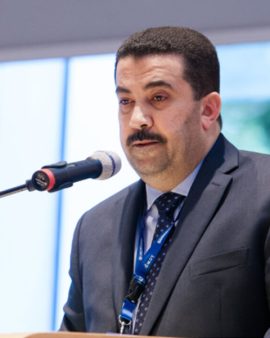
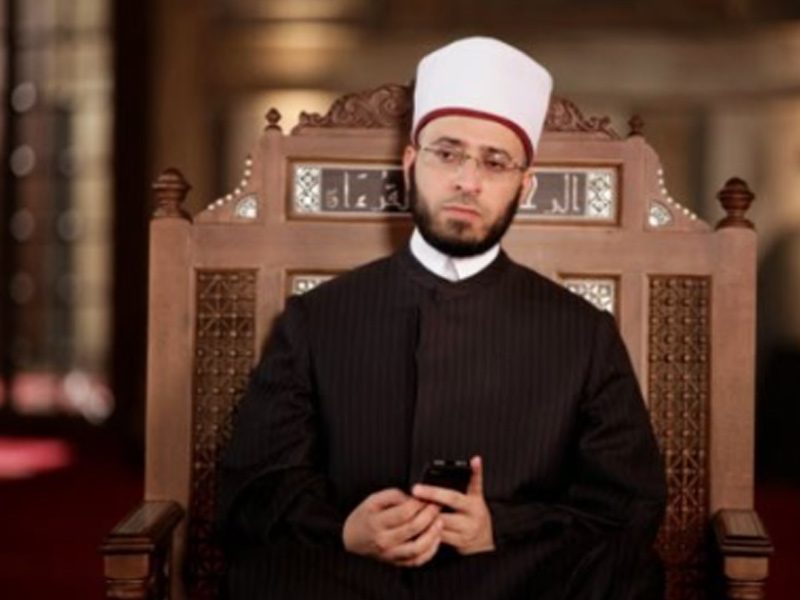

Sheikh Usama Al-Sayyid Al-Azhari: Egypt’s Scholar-Minister Championing Renewal, Knowledge, and Moderation
Sheikh Usama Al-Sayyid Al-Azhari is one of Egypt’s most prominent contemporary Islamic scholars and a leading voice for religious renewal grounded in classical tradition. Appointed Minister of Awqaf (Religious Endowments) of Egypt, he represents a new generation of Azhar-trained scholars who combine deep mastery of Islamic sciences with a strong commitment to combating extremism, strengthening national cohesion, and restoring public trust in authentic religious authority.
Born in Egypt in 1976, Sheikh Usama Al-Azhari received his formative education at Al-Azhar University, the world’s most prestigious center of Sunni Islamic learning. From an early stage, he distinguished himself through exceptional scholarship in Qur’anic studies, Hadith, Islamic theology (aqidah), jurisprudence (fiqh), and the Islamic intellectual heritage. He later earned a doctorate, focusing on Islamic creed and the history of ideas, and quickly gained recognition as a rigorous researcher and teacher within Azharite circles.
Before entering government, Al-Azhari built a strong reputation as a public intellectual and educator. He served as a faculty member at Al-Azhar and became widely known through his lectures, writings, and media appearances, where he articulated a thoughtful response to contemporary challenges facing Muslim societies. His work consistently emphasized wasatiyya—the path of balance and moderation—rooted in the Sunni scholarly tradition and opposed to both extremism and superficial reformism.
Sheikh Usama Al-Azhari was also a close advisor to the Egyptian presidency on religious and intellectual affairs, contributing to national strategies aimed at countering radical ideologies and renewing religious discourse (tajdid al-khitab al-dini). He has been particularly vocal in critiquing takfiri movements and politicized interpretations of Islam, arguing that they distort the faith’s ethical foundations and undermine social stability.
As Minister of Awqaf, Al-Azhari oversees one of Egypt’s most important religious institutions, responsible for mosques, endowments, religious education, and the training of imams. In this role, he has emphasized professionalization, intellectual depth, and ethical responsibility among preachers. He advocates a model of religious leadership that is knowledgeable, spiritually grounded, and socially engaged, capable of addressing modern realities without abandoning tradition.
A defining feature of his approach is the integration of spirituality with intellect. Influenced by classical Sunni theology and Sufi ethics, Al-Azhari stresses that sound belief must be accompanied by moral refinement, humility, and compassion. He frequently highlights the dangers of ignorance masquerading as zeal and calls for the revival of serious scholarship as the primary defense against extremism.
Beyond Egypt, Sheikh Usama Al-Azhari is regarded as an important voice in global Islamic discourse. He participates in international forums on interfaith dialogue, peacebuilding, and counter-extremism, presenting Al-Azhar’s vision of Islam as a faith of mercy, wisdom, and coexistence.
In an era marked by ideological polarization and religious confusion, Sheikh Usama Al-Sayyid Al-Azhari stands out as a scholar-administrator committed to renewal without rupture—seeking to safeguard Islam’s intellectual heritage while ensuring its relevance in the modern world.