
Hafiz Naeem ur Rehman: Engineer, Organizer, and the New Face of Jamaat-e-Islami Pakistan
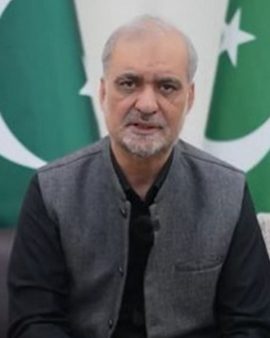
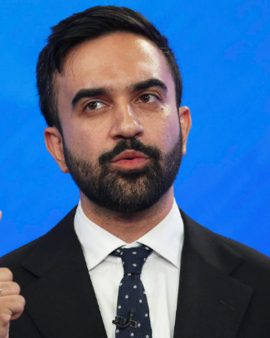
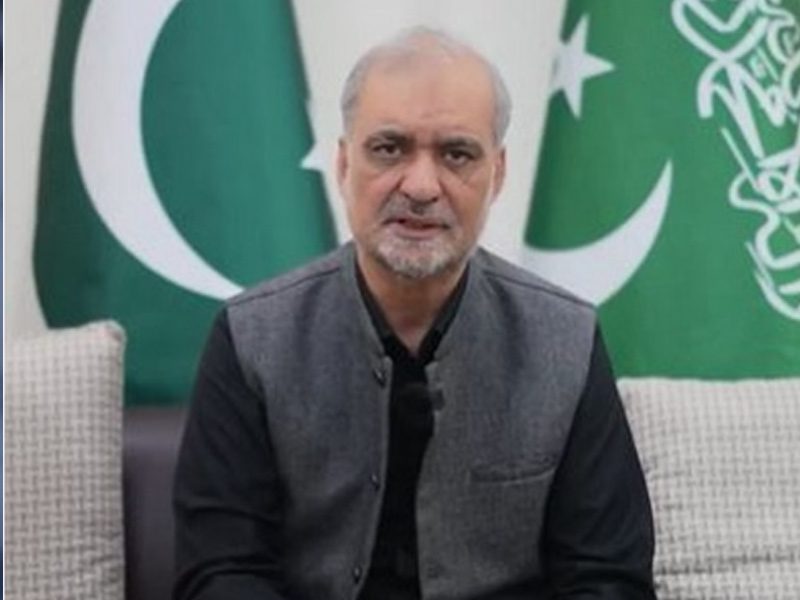
Hafiz Naeem ur Rehman is a prominent Pakistani political leader known for his grassroots activism, organizational discipline, and articulate advocacy of Islamic social justice. A trained civil engineer by profession, he rose through decades of student politics, civic engagement, and party organization to become the Ameer (President) of Jamaat-e-Islami Pakistan, one of the country’s oldest and most structured religious-political parties.
Born in Pakistan, Hafiz Naeem ur Rehman pursued civil engineering, a background that shaped his methodical and problem-solving approach to public life. During his student years, he became actively involved in Islami Jamiat-e-Talaba (IJT), the student wing of Jamaat-e-Islami. Like many leaders of the party, his political formation was rooted in campus activism, intellectual debate, and organizational work rather than dynastic politics.
Over the years, Hafiz Naeem emerged as a committed party organizer with a strong presence at the grassroots level. He gained national recognition during his tenure as Ameer of Jamaat-e-Islami Karachi, Pakistan’s largest and most complex metropolis. In Karachi, he became known for vocal campaigns on civic issues such as water shortages, electricity tariffs, urban governance, corruption, and the rights of ordinary citizens. His leadership style emphasized street-level mobilization combined with policy-based critique, allowing Jamaat-e-Islami to reclaim political relevance in a city dominated by ethnic and populist parties.
Hafiz Naeem’s public profile rose sharply during mass protests and sit-ins against inflated utility bills and poor municipal services. Unlike many traditional politicians, he positioned himself as a representative of the urban middle and lower-middle classes, framing economic injustice as both a governance failure and a moral issue. His speeches often blend religious values with constitutional rights, stressing accountability, rule of law, and social welfare.
In 2024, Hafiz Naeem ur Rehman was elected Ameer of Jamaat-e-Islami Pakistan, succeeding Sirajul Haq. His elevation marked a generational and stylistic shift within the party—from a primarily rural and Khyber Pakhtunkhwa-focused leadership to a more urban, issues-driven orientation. As Ameer, he has sought to reposition Jamaat-e-Islami as a principled opposition force addressing inflation, inequality, and governance failures while maintaining the party’s ideological foundations rooted in the thought of Abul A‘la Maududi.
Ideologically, Hafiz Naeem advocates an Islamic welfare state grounded in social justice, ethical governance, and economic fairness. He has been critical of elite capture of the economy, military-civil imbalance, and what he describes as externally driven economic policies that burden ordinary Pakistanis. At the same time, he emphasizes peaceful political struggle, constitutionalism, and democratic engagement.
Despite leading a religious party, Hafiz Naeem is often described as pragmatic and accessible, avoiding overt sectarian rhetoric. His engineering background, combined with long organizational experience, contributes to a leadership style that prioritizes structure, data, and disciplined activism.
As Pakistan faces deep economic stress and political polarization, Hafiz Naeem ur Rehman represents Jamaat-e-Islami’s attempt to reassert itself as a moral, organized, and socially responsive political force—bridging ideology with everyday concerns of governance and public welfare.