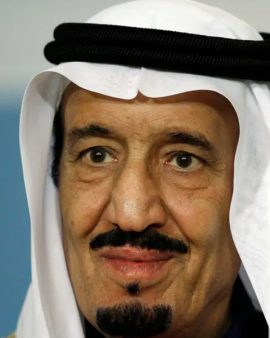

King Salman bin Abdul-Aziz Al-Saud: Architect of a Transforming Kingdom
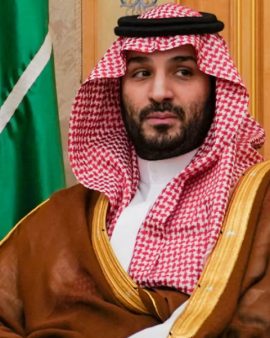
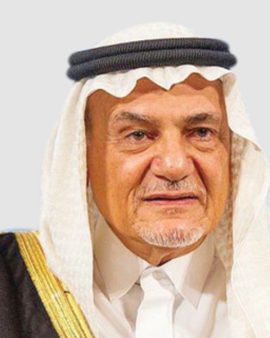
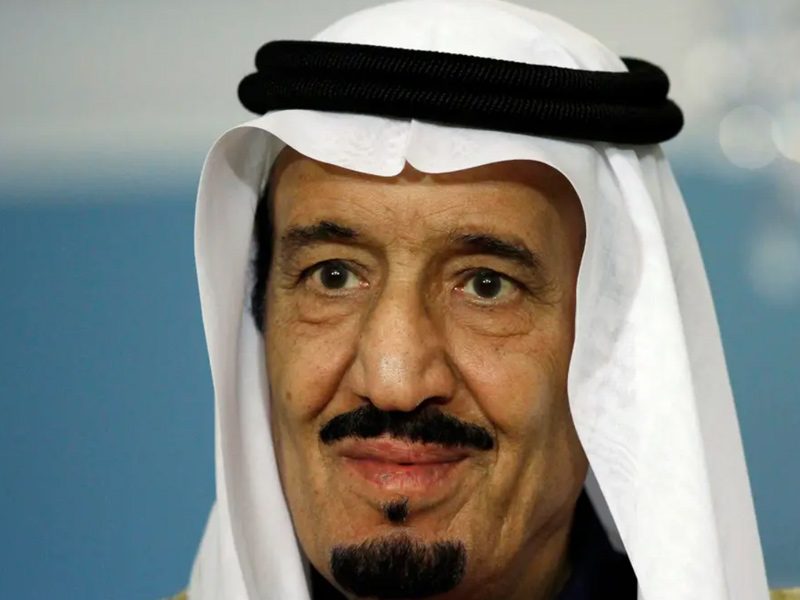
King Salman bin Abdul-Aziz Al-Saud, the Custodian of the Two Holy Mosques and King of Saudi Arabia, is one of the most prominent leaders in the Arab and Islamic worlds. Born on December 31, 1935, in Riyadh, he is the 25th son of the kingdom’s founder, King Abdulaziz Al-Saud. From an early age, Salman was immersed in traditional Islamic studies—memorizing the Qur’an by age ten—and in statecraft through close exposure to the royal court, shaping him into a leader with a deep sense of cultural identity, history, and national responsibility.
His public service began remarkably early. At just 19, Salman was appointed the Governor of Riyadh in 1954, a position he held for nearly five decades. This long tenure became a defining chapter in his career. Under his leadership, Riyadh transformed from a modest desert town into a modern metropolis—one of the Arab world’s fastest-growing cities. He oversaw major infrastructure projects, urban planning, and economic development, while carefully fostering the city’s cultural heritage. His governance earned him a reputation for efficiency, discipline, and an ability to balance rapid modernization with cultural authenticity.
Salman's rise within the national leadership continued steadily. In 2011, he became Minister of Defense, guiding the kingdom’s military modernization. A year later, he was appointed Crown Prince and Deputy Prime Minister. Upon the death of King Abdullah in January 2015, Salman ascended the throne, becoming the seventh king of Saudi Arabia.
As king, Salman has overseen a period of transformative change. He initiated sweeping administrative reforms and restructured key state institutions. One of his most significant legacies is supporting the launch of Vision 2030, the kingdom’s ambitious plan—championed by Crown Prince Mohammed bin Salman—to diversify the economy, reduce dependence on oil, expand tourism, reform governance, and empower Saudi youth. This program has reshaped almost every sector, from investment and entertainment to digital innovation and women’s participation in public life.
Regionally, King Salman’s leadership has been marked by assertive foreign policy and efforts to strengthen Saudi Arabia’s strategic position in the Middle East. He has maintained the kingdom’s central role in the Arab world, deepened ties with global powers, and worked to safeguard regional security. As Custodian of the Two Holy Mosques, he continues to emphasize the kingdom’s spiritual responsibility, overseeing large-scale expansions and modernization projects in Makkah and Madinah to accommodate millions of pilgrims.
Beyond politics, Salman is recognized for his humanitarian contributions. For decades, he chaired numerous charitable organizations focused on education, health, disaster relief, and social welfare. His long experience in public administration has shaped his image as a steady, pragmatic leader with a strong sense of duty toward his nation and the wider Muslim world.
Today, King Salman stands as a symbol of continuity and transformation—rooted in tradition yet guiding Saudi Arabia through one of the most ambitious modernization phases in its history. His leadership remains central to defining the kingdom’s future trajectory and its role in global affairs.