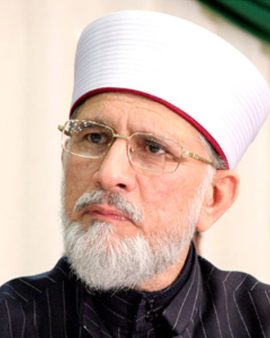

Maulana Tariq Jameel: Pakistan’s Influential Islamic Scholar and Preacher
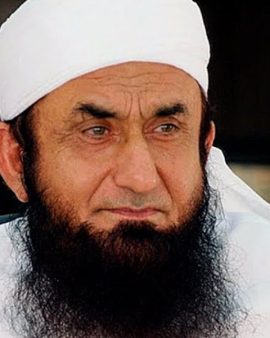
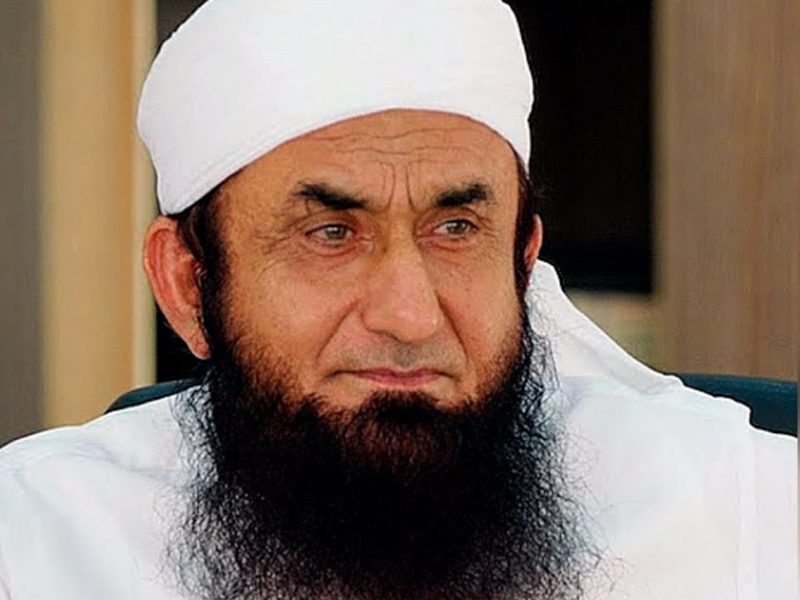
Maulana Tariq Jameel is one of the most widely known and respected Islamic scholars and preachers in Pakistan, renowned for his emotionally powerful sermons, simple language, and emphasis on moral reform, compassion, and personal accountability. Over several decades, he has emerged as a leading figure of the Tableeghi Jamaat tradition, reaching millions across South Asia and the global Muslim diaspora.
Born in 1953 in Mian Channu, Khanewal district of Punjab, Pakistan, Tariq Jameel came from a well-educated family. He initially pursued modern education and enrolled at King Edward Medical College, Lahore, one of Pakistan’s most prestigious institutions. However, he soon experienced a profound spiritual transformation that led him to abandon medicine and dedicate his life to Islamic learning and preaching.
He later enrolled at the Jamia Arabia, Raiwind, and then studied at the historic Jamia Ul Uloom-ul-Islamia (Binori Town), Karachi, where he specialized in Hadith under renowned scholars, including Mufti Wali Hasan. This blend of modern exposure and classical Islamic scholarship contributed to his distinctive preaching style—accessible, heartfelt, and deeply rooted in Islamic tradition.
Maulana Tariq Jameel rose to prominence through his association with the Tableeghi Jamaat, a global Islamic revivalist movement that focuses on personal piety, prayer, and adherence to basic Islamic practices rather than political activism. His sermons, delivered in Urdu and Punjabi, are known for their emotional intensity, frequent references to the lives of the Prophet Muhammad (peace be upon him) and his companions, and vivid reminders of accountability in the Hereafter.
What sets Tariq Jameel apart is his ability to connect with diverse audiences, ranging from rural villagers to urban professionals, students, and celebrities. His speeches are widely circulated through television, social media, and digital platforms, making him one of the most listened-to Islamic preachers in the Urdu-speaking world. Many credit his sermons with inspiring personal change, reconciliation, and renewed religious commitment.
Despite his popularity, Maulana Tariq Jameel has largely stayed away from formal politics, often emphasizing unity, humility, and moral self-correction over ideological confrontation. At times, his public remarks have generated controversy, drawing criticism from both religious and secular circles. He has generally responded by reiterating his commitment to peace, repentance, and spiritual reform rather than public debate.
In recent years, he has also been associated with humanitarian and social initiatives, including support for education and welfare projects. His influence extends beyond Pakistan to communities in India, the Middle East, Europe, and North America, where he frequently addresses large gatherings.
Maulana Tariq Jameel remains a defining voice in contemporary Islamic preaching—admired for his sincerity, emotional appeal, and ability to bring religious teachings into the everyday lives of ordinary people. His enduring impact lies in his call for inner transformation, humility, and a return to ethical living grounded in faith.