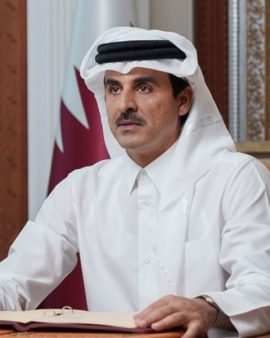

Sheikh Tamim bin Hamad Al-Thani: A Modern Gulf Leader Shaping Qatar’s Global Role
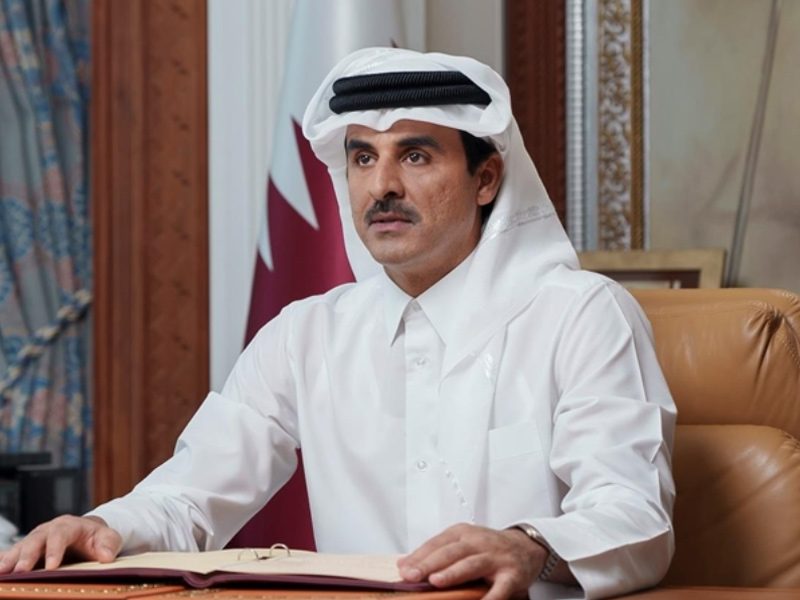
Sheikh Tamim bin Hamad Al-Thani, the Emir of Qatar, stands among the most influential leaders in the contemporary Muslim world. Born on June 3, 1980, in Doha, he is the fourth son of Sheikh Hamad bin Khalifa Al-Thani and Sheikha Moza bint Nasser. Educated at the Sherborne School in the United Kingdom and later at the Royal Military Academy Sandhurst, Sheikh Tamim grew up under the influence of a royal household that emphasized leadership, service, and a forward-looking vision for national development.
He assumed the mantle of Emir on June 25, 2013, when his father abdicated—making him the youngest ruling monarch in the Arab world at the time. Since then, Sheikh Tamim has positioned Qatar as a dynamic actor in regional politics, global diplomacy, and economic innovation. His leadership style reflects a blend of pragmatism, strategic diplomacy, and a commitment to national identity rooted in Islamic and Arab values.
One of Sheikh Tamim’s defining priorities has been economic diversification. Recognizing the limitations of relying solely on hydrocarbon wealth, he has accelerated Qatar’s transition toward a knowledge-based and innovation-driven economy. Under his reign, the nation has invested heavily in infrastructure, renewable energy, research, sports, and technology. The successful hosting of the FIFA World Cup 2022 remains a hallmark of this vision, showcasing Qatar’s cultural confidence and its capability to execute large-scale, globally significant projects.
Geopolitically, Sheikh Tamim has guided Qatar through challenging periods, including the 2017–2021 Gulf blockade imposed by neighboring countries. His steady and composed handling of the crisis—marked by diplomatic resilience, global outreach, and economic adaptability—earned him international respect. Qatar not only withstood the blockade but emerged more self-reliant, especially in food security, manufacturing, and alternative trade routes. The Al-Ula Declaration of 2021 that restored relations within the GCC demonstrated his long-term commitment to regional stability and reconciliation.
At the global level, Sheikh Tamim has strengthened Qatar’s role as a mediator in conflicts from Afghanistan to Gaza, leveraging Doha’s diplomatic networks and hosting capabilities. Under his leadership, Qatar continues to advocate for human rights, education, and humanitarian support, working closely with international organizations. The Qatar Foundation, chaired by his mother Sheikha Moza, remains central to this humanitarian and educational outreach, aligning closely with Sheikh Tamim’s developmental vision.
Domestically, he has prioritized youth empowerment, sports, education, and national workforce development. His policies encourage Qatar’s younger generation to contribute to a modern, competitive economy while staying rooted in cultural and religious values. Sheikh Tamim’s emphasis on social cohesion, national identity, and responsible modernization distinguishes Qatar’s path from rapid, disruptive change.
Today, Sheikh Tamim bin Hamad Al-Thani symbolizes a modern Gulf leadership model—confident, strategic, and globally engaged. His decade-long rule has reshaped Qatar’s international stature, making the small Gulf nation an outsized player in diplomacy, energy markets, and global humanitarian efforts. As Qatar navigates a complex regional landscape, Sheikh Tamim remains central to shaping its stable, forward-looking, and influential future.