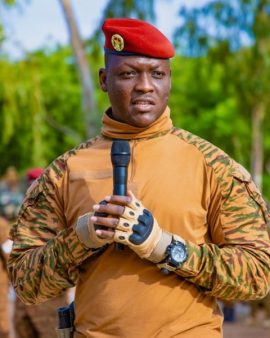
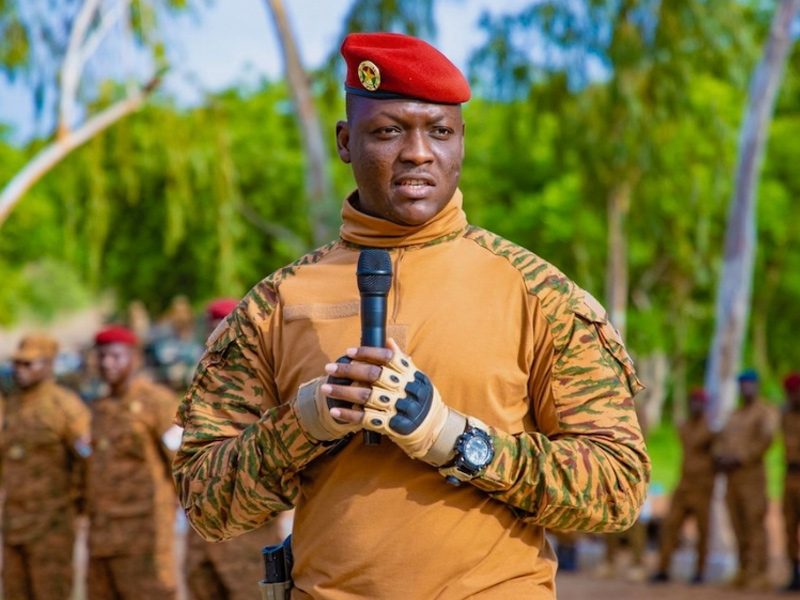

Captain Ibrahim Traoré: Interim President of Burkina Faso and a Symbol of a New Generation of African Leadership
Captain Ibrahim Traoré is the Interim President of Burkina Faso, having emerged as one of the youngest heads of state in the world amid a period of profound political instability and security crisis in the West African nation. Rising from the ranks of the military, Traoré has come to symbolize a new generation of African leaders shaped by frustration with prolonged insecurity, weak governance, and continued foreign influence in the Sahel region.
Born in 1988 in Bondokuy, in western Burkina Faso, Ibrahim Traoré grew up in a modest family environment that valued education and discipline. He pursued his early education in Burkina Faso before enrolling at the University of Ouagadougou, where he studied geology. During his student years, Traoré was known for his interest in social justice, national sovereignty, and pan-African ideas, themes that would later define his political outlook.
Traoré joined the Burkinabè Armed Forces and trained as an artillery officer. His military career unfolded against the backdrop of Burkina Faso’s worsening security situation, marked by the rapid expansion of armed insurgent groups linked to al-Qaeda and the Islamic State. He served in several counterinsurgency operations, particularly in the country’s conflict-ridden northern and eastern regions. First-hand exposure to the realities faced by soldiers—poor equipment, low morale, and mounting casualties—deeply shaped his views on leadership and national defense.
In September 2022, Captain Traoré came to national prominence when he led a military takeover that ousted Lieutenant Colonel Paul-Henri Sandaogo Damiba, who himself had seized power earlier that year. The coup reflected growing dissatisfaction within the armed forces and among the public over the failure to stem jihadist violence, which had displaced millions and claimed thousands of lives. Following the takeover, Traoré was appointed Interim President, pledging to restore security and guide the country toward stability.
As interim leader, Traoré positioned himself as a nationalist and sovereigntist, emphasizing Burkina Faso’s right to determine its own path free from external pressure. He adopted strong rhetoric against what he described as ineffective foreign military involvement, particularly from former colonial power France. Under his leadership, Burkina Faso distanced itself from French forces and sought new strategic partnerships, notably strengthening ties with Russia and aligning more closely with fellow military-led governments in Mali and Niger.
Domestically, Captain Traoré has focused on mobilizing the population for national defense, expanding the Volunteers for the Defense of the Homeland (VDP) program and calling for unity in the face of existential threats. While his supporters view him as a decisive and courageous leader willing to confront entrenched problems, critics have raised concerns about human rights, press freedoms, and the long-term implications of prolonged military rule.
Despite these challenges, Ibrahim Traoré remains a popular figure among many young Burkinabè and across parts of Africa, where he is seen as echoing the legacy of revolutionary leader Thomas Sankara. As Interim President, Traoré’s leadership represents both the hopes and uncertainties of a nation striving to reclaim security, dignity, and sovereignty in one of the world’s most volatile regions.