The Reluctant Revolutionary: Seyyed Abbas Araghchi and the Art of Iranian Diplomacy
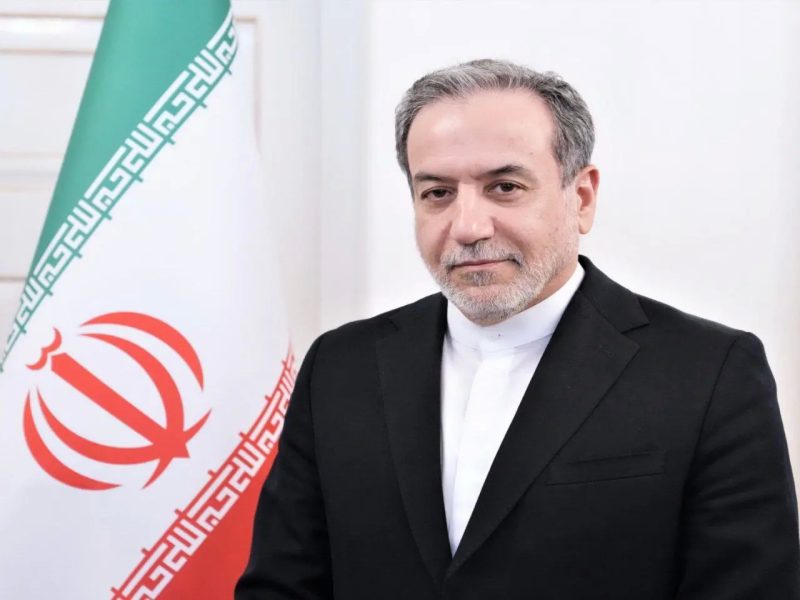
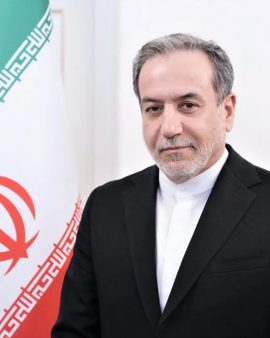
In the high-stakes world of Iranian foreign policy, where hardliners and reformers often speak past one another, Seyyed Abbas Araghchi has carved a singular role: the pragmatic insider who can talk to anyone. As Iran’s Foreign Minister and its lead nuclear negotiator, Araghchi embodies a rare blend—revolutionary credentials and diplomatic polish.
Born in 1962 in Tehran, Araghchi grew up in the shadow of the 1979 Islamic Revolution. He cut his teeth as a young commander during the Iran-Iraq War, an experience that forged his steely resolve. But unlike many of his peers who remained in the military or security apparatus, Araghchi pivoted to international relations, earning a PhD from the University of Kent and immersing himself in the subtleties of Western diplomacy.
For decades, he was the quintessential behind-the-scenes operator: deputy foreign minister, ambassador to Japan and Finland, and a key aide to multiple foreign ministers. His breakout moment came in 2013, when he became the spokesperson and lead negotiator for the Joint Comprehensive Plan of Action (JCPOA)—the nuclear deal. Photos of Araghchi walking the palace corridors of Vienna, calmly facing U.S. and European counterparts, became iconic. He perfected what Iranians call diplomacy-ye khamesh—silent diplomacy: patient, technically rigorous, and unflappable even under pressure.
When the U.S. withdrew from the deal in 2018, Araghchi didn’t retreat. He helped design Iran’s strategic response of gradual non-compliance, keeping diplomatic channels open while rebuilding Iran’s nuclear program. His loyalty to Supreme Leader Ali Khamenei remains unquestioned, yet Western officials describe him as “a rational actor” who negotiates in good faith.
In 2024, as regional tensions exploded following Israel’s actions in Gaza and Lebanon, Araghchi became the face of Iran’s attempt to contain escalation. Shuttling between Beirut, Riyadh, and New York, he delivered tough messages without incendiary rhetoric—a sharp contrast to the uncompromising style of the Revolutionary Guard’s commanders.
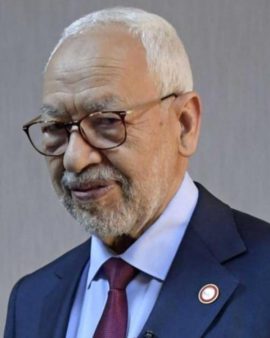
At 62, he cuts an understated figure: gray suit, trimmed beard, glasses, and a penchant for quoting Persian poetry. “Revolution does not mean permanent shouting,” he once told an interviewer. “Sometimes it means knowing when to listen.”
That capacity for listening—to allies, adversaries, and his own divided political system—makes Araghchi not just a diplomat, but an indispensable national asset. In a country where foreign policy is often a zero-sum game, he has mastered the art of the possible. The reluctant revolutionary has become, paradoxically, Iran’s most credible voice for coexistence.