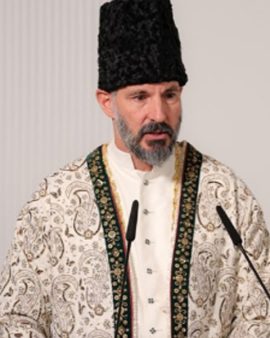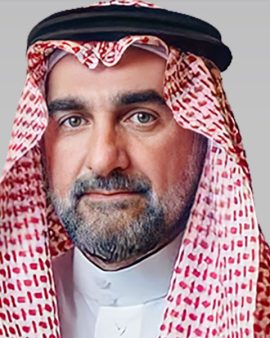


Shah Rahim al-Hussaini (Aga Khan V): Spiritual Leader of the Ismaili Muslims and Advocate of Global Development
Shah Rahim al-Hussaini, widely known as Aga Khan V, is the 49th hereditary Imam of the Shia Ismaili Muslims, succeeding his father in the centuries-old lineage that traces directly to Prophet Muhammad (peace be upon him) through Hazrat Ali and Hazrat Fatima. As spiritual leader of a global community spread across more than 30 countries, Aga Khan V carries forward a legacy that combines religious guidance with a strong commitment to human development, pluralism, and ethical leadership.
Born on 12 October 1971 in Geneva, Switzerland, Shah Rahim al-Hussaini is the eldest son of Prince Karim Aga Khan IV, one of the most influential Muslim leaders of the modern era. From an early age, he was prepared for leadership within the Ismaili tradition, which emphasizes intellect, social responsibility, and engagement with the modern world. His upbringing exposed him to a wide range of cultures and global institutions, reflecting the international character of the Ismaili community.
Prince Rahim received his higher education at Brown University in the United States, where he studied Comparative Literature. His academic background, combined with extensive exposure to international development work, helped shape his worldview—one that stresses dialogue between civilizations, ethical governance, and inclusive growth. Fluent in several languages, he represents a generation of Muslim leadership deeply conversant with both tradition and contemporary global challenges.
Before assuming the role of Aga Khan V, Shah Rahim played a significant role within the Aga Khan Development Network (AKDN), one of the world’s largest private development organizations. He served on the boards of several AKDN agencies, focusing particularly on economic development, infrastructure, environmental sustainability, and financial inclusion. His work included oversight of development finance institutions and initiatives aimed at improving livelihoods in Asia, Africa, and the Middle East.
As Aga Khan V, Shah Rahim al-Hussaini assumes spiritual responsibility for guiding the Ismaili community in matters of faith, ethics, and social conduct. The Ismaili Imamat places strong emphasis on balancing religious life with worldly responsibility, encouraging education, gender equity, civic engagement, and respect for diversity. Like his predecessors, Aga Khan V is expected to continue promoting an interpretation of Islam that values intellect, compassion, and pluralism.
Internationally, the Aga Khan is not only a religious figure but also a moral voice on issues such as development, cultural preservation, climate resilience, and peaceful coexistence. The institutions founded under the Imamat—ranging from universities and hospitals to cultural restoration projects—have benefited millions of people regardless of faith or background. Observers expect Aga Khan V to further modernize these efforts while remaining rooted in the ethical principles of the Ismaili tradition.
Shah Rahim al-Hussaini’s leadership marks a generational transition for the Ismaili Imamat. As Aga Khan V, he stands at the intersection of faith and global responsibility, tasked with guiding his community through the complexities of the 21st century while continuing a legacy of service, enlightenment, and human dignity.