
Field Marshal Syed Asim Munir Ahmed Shah: Pakistan’s Most Powerful Military Leader in a New Era of Civil–Military Relations
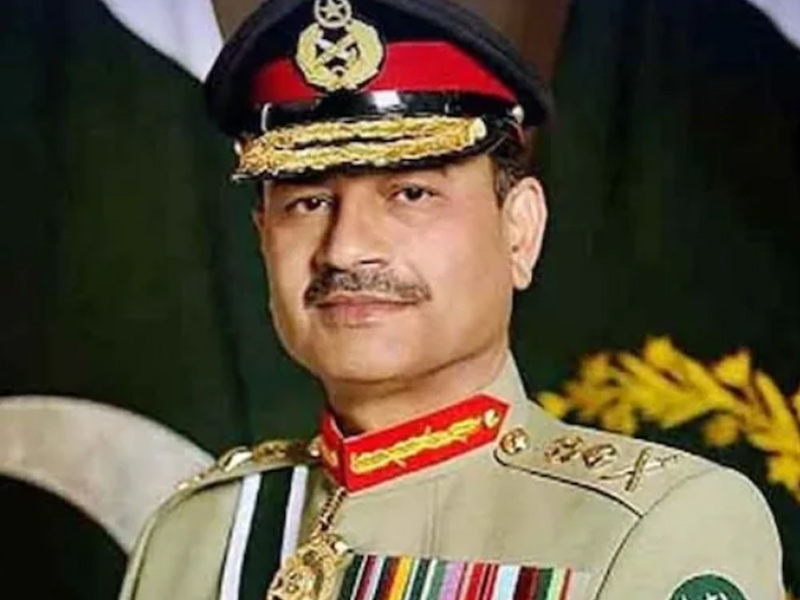
Field Marshal Syed Asim Munir Ahmed Shah is one of the most consequential figures in Pakistan’s military history, embodying the army’s enduring influence over the country’s security, politics, and regional posture. A career infantry officer with deep intelligence experience, Munir rose steadily through the ranks to become Chief of Army Staff (COAS) in November 2022 and was later elevated to the rare five-star rank of Field Marshal, only the second officer in Pakistan to receive this honour after Ayub Khan.
Born in Rawalpindi, the heart of Pakistan’s military establishment, Asim Munir belongs to a family known for religious learning. He is widely described as a Hafiz-e-Qur’an, a distinction that has often been highlighted by his supporters as reflecting personal discipline and moral grounding. He joined the Pakistan Army through the Officers Training School, Mangla, in 1986, graduating with the Sword of Honour, awarded to the best cadet of his course. He was commissioned into the Frontier Force Regiment, one of the army’s most decorated infantry units.
Munir’s career combined conventional command roles with some of the most sensitive intelligence assignments in the country. He commanded troops in challenging operational environments, including Pakistan’s northern and eastern sectors, and later served in important staff appointments at General Headquarters. His rise was marked by appointments as Director-General of Military Intelligence and subsequently Director-General of the Inter-Services Intelligence (ISI)—a rare trajectory that placed him at the centre of Pakistan’s internal security, counter-terrorism operations, and regional intelligence assessments.
After commanding XXX Corps, one of the army’s key strike formations, Munir was appointed Chief of Army Staff at a time of acute political instability, economic crisis, and strained civil–military relations. His tenure as army chief has been defined by a forceful reassertion of the military’s authority, a declared policy of “institutional discipline,” and an uncompromising stance toward political dissent perceived as threatening to the armed forces’ cohesion and prestige.
Munir’s elevation to Field Marshal came amid heightened regional tensions and was presented by the state as recognition of exceptional leadership during a period of military confrontation and strategic uncertainty. The promotion symbolised not merely personal achievement but also the centrality of the army in Pakistan’s national narrative. Around the same time, his role expanded further with the creation of a unified command structure, placing unprecedented authority in the hands of a single military leader.
Supporters portray Field Marshal Munir as a professional soldier committed to stability, national security, and institutional strength, crediting him with restoring discipline within the ranks and projecting resolve externally. Critics, however, argue that his rise represents the deepening of military dominance over civilian politics, raising concerns about democratic backsliding, civil liberties, and the shrinking space for dissent.
Whether viewed as a stabilising force or a symbol of over-centralised power, Field Marshal Syed Asim Munir Ahmed Shah stands as a defining figure of contemporary Pakistan—one whose legacy will shape the country’s civil–military balance and regional posture for years to come.








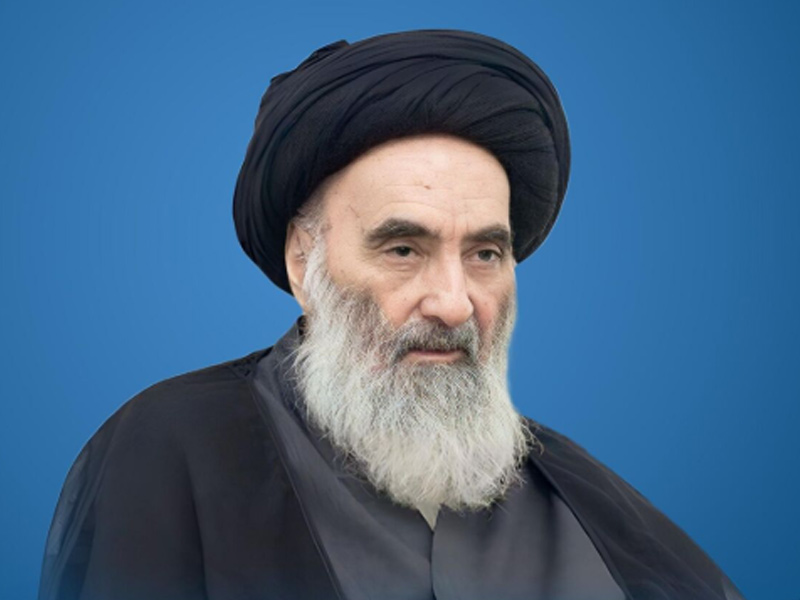
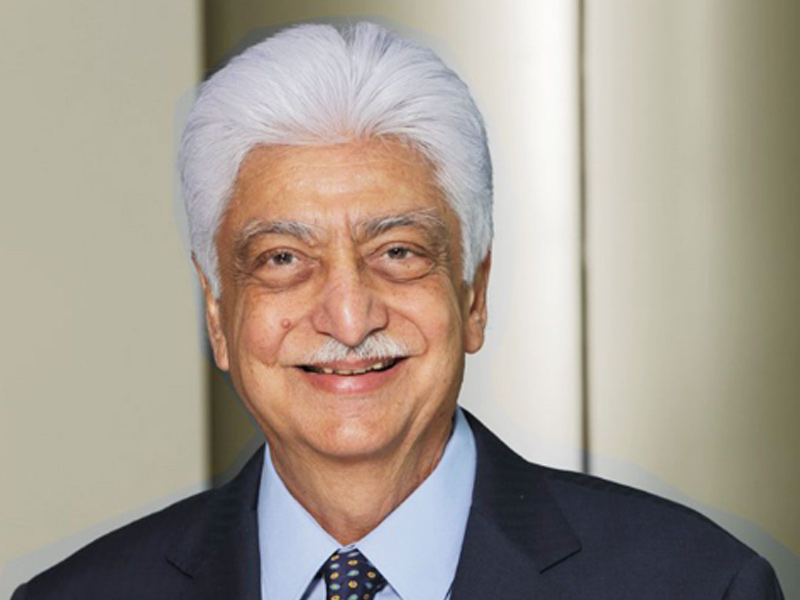
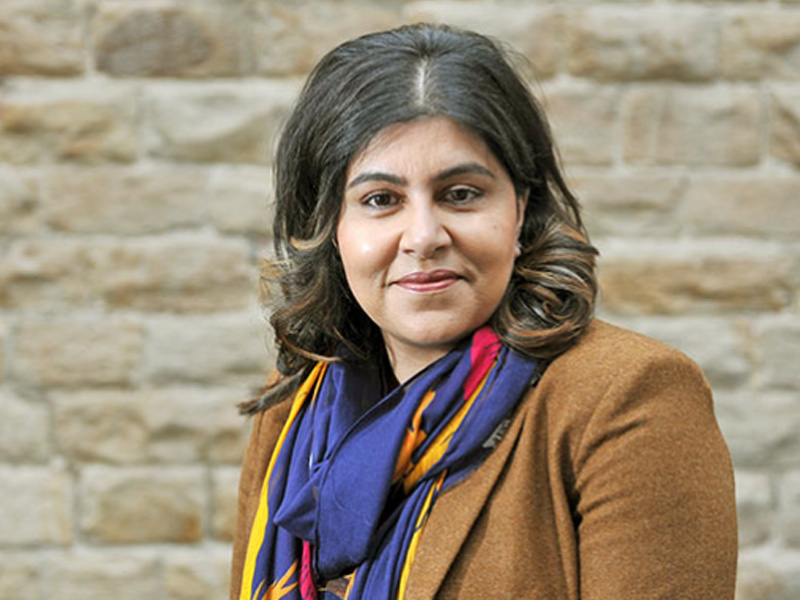
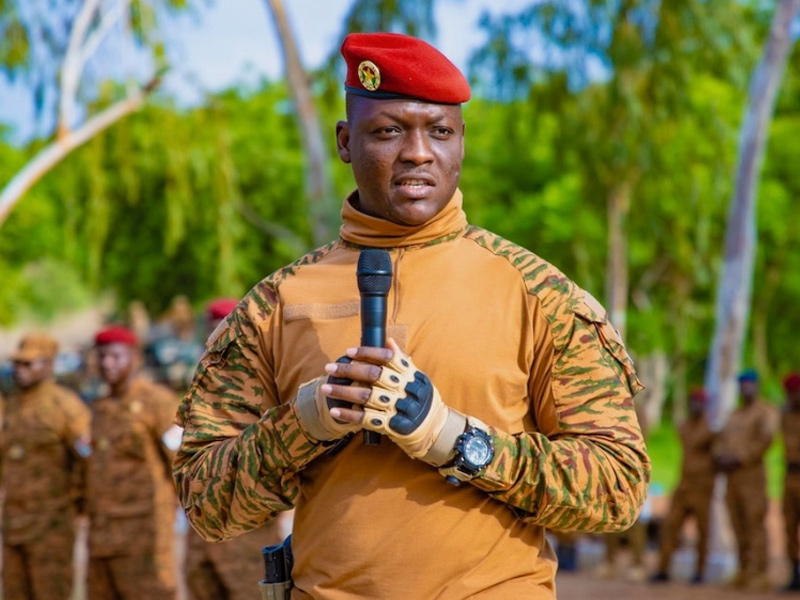

.jpg "Dr Timothy Winter Sheikh Abdal Hakim Murad - selected in the list of The Most Influential Global Muslims - 2026")































.jpg "Shah Rahim al Hussaini Aga Khan V - selected in the list of The Most Influential Global Muslims - 2026")