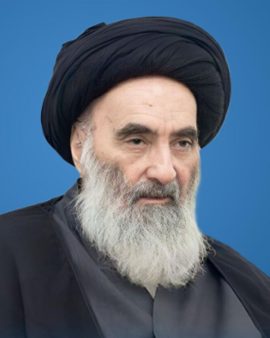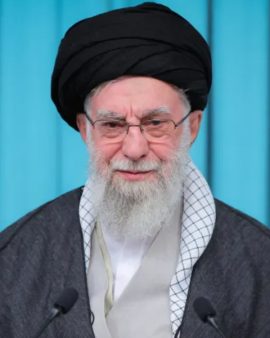
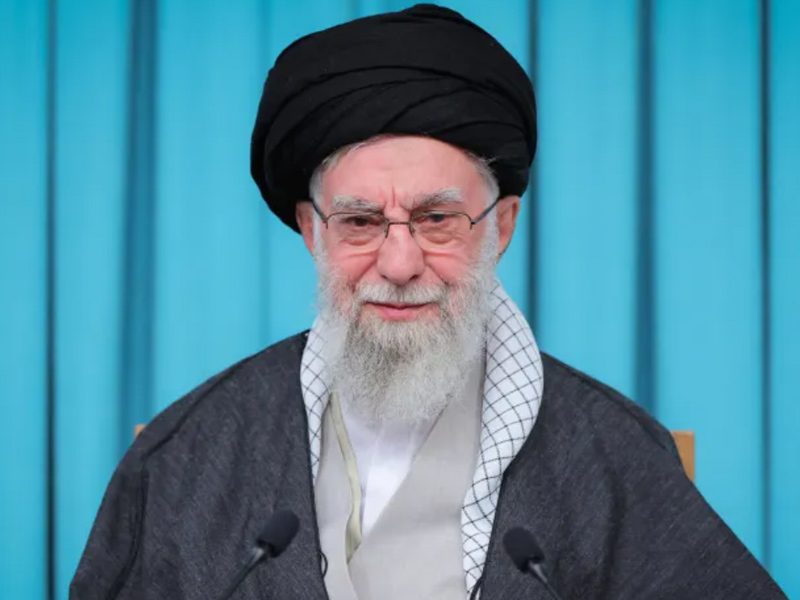

Grand Ayatollah Hajj Sayyid Ali Khamenei: The Ideologue and Guardian of Iran’s Islamic Revolution
Grand Ayatollah Hajj Sayyid Ali Khamenei, the Supreme Leader of the Islamic Republic of Iran, stands as one of the most consequential political and religious figures in the contemporary Muslim world. Born on July 17, 1939, in Mashhad, a historic center of Shia scholarship, he was raised in a deeply religious family. His father, Ayatollah Javad Hosseini Khamenei, was a respected cleric known for his modest lifestyle, discipline, and scholarship. From an early age, Sayyid Ali Khamenei immersed himself in Islamic sciences, studying in the seminaries of Mashhad, Najaf, and Qom under prominent scholars including Ayatollah Borujerdi, Imam Khomeini, and Allama Tabataba’i.
A committed activist even as a young cleric, Khamenei took part in the resistance against the Pahlavi monarchy. He was imprisoned and tortured multiple times for delivering sermons against tyranny, Western domination, and cultural alienation. His association with Imam Khomeini marked him as one of the influential pillars of the revolutionary movement that culminated in the 1979 Islamic Revolution.
Following the revolution, Khamenei played major roles in shaping the new Islamic Republic. He served as Tehran’s Friday prayer leader, a member of parliament, the secretary of defense during the early years of the Iran–Iraq War, and later as the President of Iran from 1981 to 1989. His presidency coincided with one of the most challenging periods for the nation—war, reconstruction, and the consolidation of the revolutionary state. Known for his disciplined work ethic, firm principles, and intellectual rigor, he worked closely with Ayatollah Khomeini to ensure the stability and continuity of the Islamic system.
After the passing of Imam Khomeini in 1989, Sayyid Ali Khamenei was elected the Supreme Leader, becoming the highest authority in Iran’s political and religious hierarchy. As Supreme Leader, he is responsible for guiding the country’s strategic direction, overseeing defense, foreign policy, and the functioning of key state institutions. Over the past three decades, he has positioned Iran as a regional powerhouse, balancing ideological steadfastness with geopolitical pragmatism.
Under his leadership, Iran has expanded its influence across West Asia, supporting resistance movements and maintaining a foreign policy centered on independence from Western hegemony. Domestically, he has emphasized self-sufficiency, cultural identity, technological progress, and Islamic ethics. Ayatollah Khamenei has been a strong advocate of scientific advancement, particularly in fields like nuclear energy, medicine, and military technology, encouraging Iranian youth to innovate despite sanctions and isolation.
Beyond politics, he is also known for his intellectual contributions. A scholar of Qur’anic exegesis, Islamic jurisprudence, literature, and philosophy, he has authored numerous works and delivered hundreds of lectures. His deep interest in poetry and culture reflects a softer dimension of his personality, often overshadowed by geopolitical narratives.
Today, Grand Ayatollah Khamenei remains a pivotal figure in shaping the ideological, political, and strategic trajectory of the Islamic Republic. For supporters, he represents steadfast resistance, Islamic authenticity, and national dignity. His leadership continues to influence not only Iran but also the broader dynamics of the Muslim world.