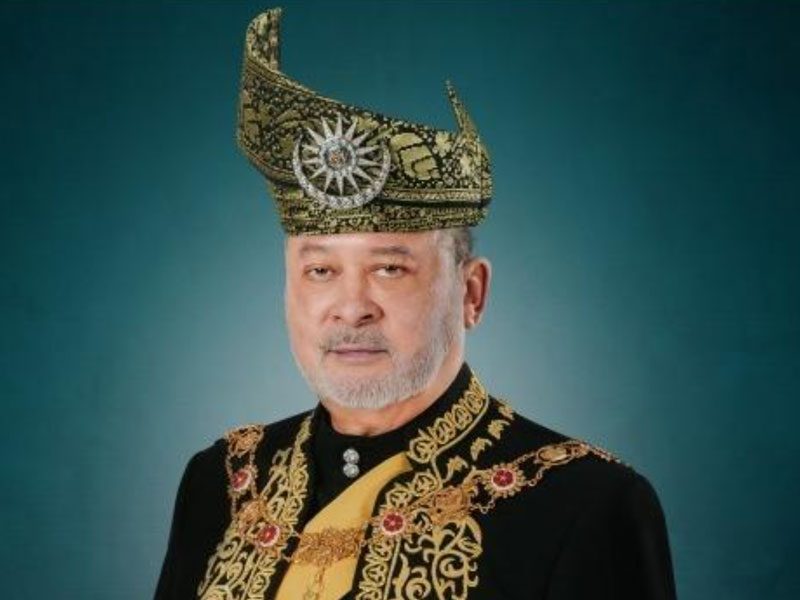

Sultan Ibrahim Iskandar: Johor’s Assertive Ruler and Malaysia’s Seventeenth King
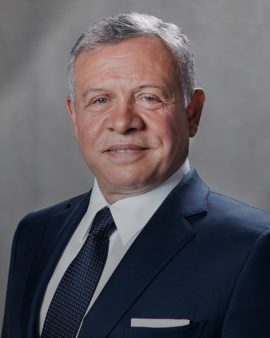
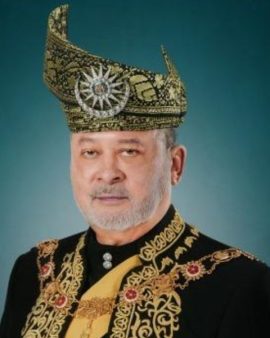
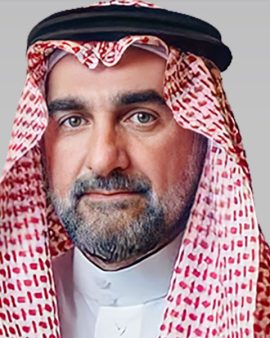
Ibrahim ibni Iskandar (born Tunku Ibrahim Ismail ibni Tunku Mahmood Iskandar on 22 November 1958) is the reigning Yang di-Pertuan Agong (King of Malaysia) and the Sultan of Johor. A prominent and outspoken royal figure, Sultan Ibrahim is known for his hands-on leadership style, strong views on governance and religious moderation, and an assertive approach to state administration. He ascended to the federal throne on 31 January 2024 after being elected by the Conference of Rulers for a five-year term, while continuing to reign as Sultan of Johor.
Born at Sultanah Aminah Hospital in Johor Bahru, Ibrahim is the eldest son of Sultan Iskandar and his first wife, Josephine Ruby Trevorrow, an Englishwoman from Torquay who later adopted the name Khalsom binti Abdullah. He was born during the reign of his great-grandfather, Sultan Ibrahim of Johor. Following the death of his great-grandfather in 1959, his grandfather Sultan Ismail ascended the throne, placing Ibrahim firmly within a lineage deeply embedded in Johor’s royal history.
Ibrahim received his secondary education at Trinity Grammar School in Sydney, Australia. Though he did not pursue tertiary education, he underwent extensive military training, beginning with basic training at the Malaysian Army Training Centre (PULADA) in Kota Tinggi, followed by advanced training in the United States at Fort Benning, Georgia, and Fort Bragg, North Carolina. His military background has significantly shaped his disciplined outlook and interest in security and public order.
He was appointed Crown Prince of Johor on 3 July 1981 after his father became Sultan. During this period, Ibrahim served as Regent of Johor from 1984 to 1989 while Sultan Iskandar was Yang di-Pertuan Agong. As crown prince, he gradually assumed greater responsibilities, representing Johor at official functions and participating in Conferences of Rulers on behalf of his aging father. His exposure to governance during these formative years prepared him for eventual rule.
Following Sultan Iskandar’s death on 22 January 2010, Ibrahim was installed as the Sultan of Johor, ushering in a reign marked by visibility, direct engagement with the public, and decisive governance. He was formally crowned on 23 March 2015—the first coronation in Johor in over five decades. Since then, 23 March has been celebrated annually as his official birthday.
As Sultan, Ibrahim has issued a number of high-profile decrees reflecting his priorities. These include renaming districts and cities to restore historical identities, banning vaping statewide for public health reasons, regulating commercial signboards for safety and aesthetics, and shifting Johor’s weekend back to Friday–Saturday to facilitate Muslim congregational prayers. While some decisions sparked controversy—particularly among businesses linked to Singapore—he has remained firm in asserting Johor’s autonomy and cultural values.
Sultan Ibrahim is also known for advocating religious moderation and openly criticizing the “Arabisation” of Malaysian Muslim culture, emphasizing local traditions and pluralism. Despite lacking formal higher education, he has repeatedly stressed the importance of quality education and discipline for Johor’s youth.
Elected as Malaysia’s 17th King in October 2023 and sworn in in January 2024, Sultan Ibrahim entered the federal role with a reputation for candor and authority. As Yang di-Pertuan Agong, he symbolizes national unity while bringing to the throne the distinctive assertiveness and pragmatism that have defined his long reign in Johor.