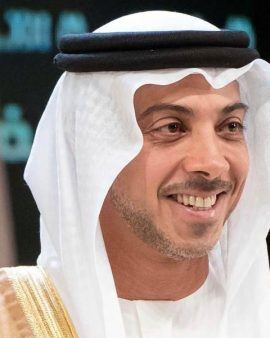

Sheikh Mohamed bin Zayed Al-Nahyan: The Strategic Visionary Shaping the UAE’s Global Future
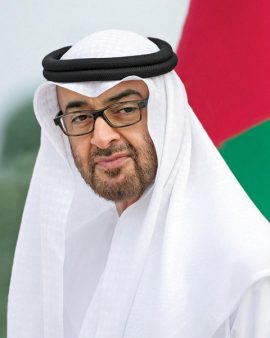
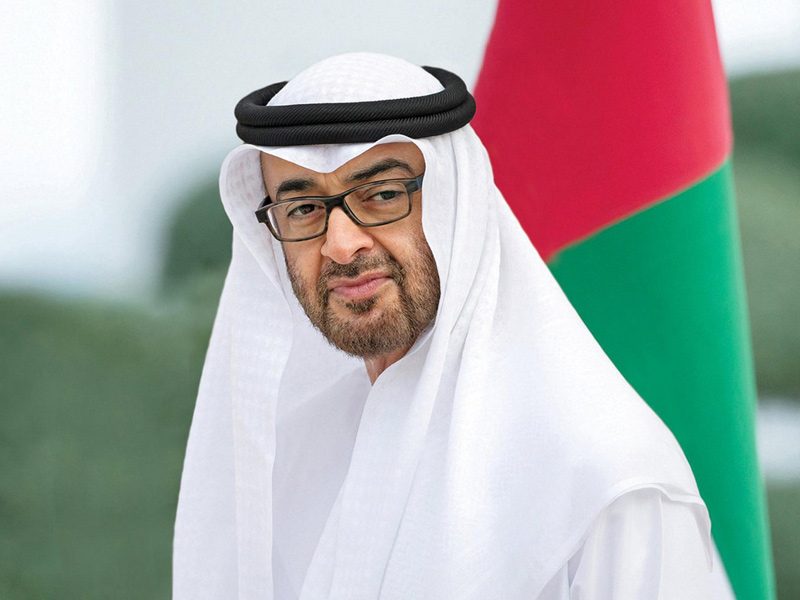
Sheikh Mohamed bin Zayed Al-Nahyan, widely known as MBZ, is the President of the United Arab Emirates and Ruler of Abu Dhabi. A central figure in Middle Eastern geopolitics and one of the most influential Arab leaders of the 21st century, he is recognized for his strategic foresight, nation-building initiatives, and a bold vision for transforming the UAE into a global powerhouse. Born on March 11, 1961, in Al Ain, Sheikh Mohamed is the third son of Sheikh Zayed bin Sultan Al-Nahyan, the UAE’s founding father. Growing up under Sheikh Zayed’s guidance instilled in him a deep commitment to service, leadership, and national unity.
Sheikh Mohamed received his early education in the UAE before joining the Royal Military Academy Sandhurst in the United Kingdom, where he graduated in 1979. His military training shaped him into a disciplined leader with a keen sense of security strategy and statecraft. Upon returning home, he served in various military roles, later becoming Chief of Staff and then Deputy Supreme Commander of the UAE Armed Forces. Under his leadership, the UAE military transformed into one of the most capable and modern forces in the region.
For many years before formally assuming the presidency in 2022, Sheikh Mohamed played a pivotal behind-the-scenes role in shaping the UAE’s political and economic direction. As Crown Prince of Abu Dhabi from 2004 to 2022, he was instrumental in diversifying the emirate’s economy, promoting renewable energy, and expanding global partnerships. His emphasis on innovation, education, and long-term planning helped prepare the UAE for a post-oil future.
A hallmark of MBZ’s vision is the transformation of the UAE into a diversified, knowledge-based economy. He has championed major initiatives such as the establishment of Masdar City, the Barakah Nuclear Energy Plant, and world-class universities and research centers. His policies prioritize technology, sustainability, artificial intelligence, space exploration, and human capital development. The UAE’s successful Mars mission, "Hope Probe," reflects his commitment to scientific advancement.
In foreign policy, Sheikh Mohamed is known for his pragmatic and assertive approach. He has strengthened the UAE’s global alliances, expanded diplomatic engagement, and positioned the country as a key player in regional stability. In 2020, under his leadership, the UAE signed the Abraham Accords, normalizing relations with Israel—a historic move that reshaped Middle Eastern geopolitics. His government has also been actively involved in humanitarian efforts, counter-extremism initiatives, and conflict resolution across the region.
Domestically, MBZ is respected for his accessibility, philanthropy, and focus on social welfare. His policies emphasize national cohesion, cultural preservation, and improving citizens’ quality of life. Whether through housing initiatives, education reforms, healthcare advancements, or cultural projects, he has worked to strengthen the UAE’s social fabric.
Today, Sheikh Mohamed bin Zayed Al-Nahyan stands as a symbol of stability, modernization, and forward-thinking leadership in the Arab world. His blend of strategic vision, economic ambition, and global diplomacy continues to shape the UAE’s identity as an innovative, influential, and future-ready nation.